
What is Saturnism?
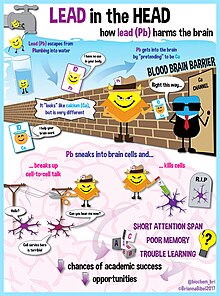
Saturnism refers to the adverse effects caused by lead exposure, a metal that can have devastating consequences on human health. The term “saturnism” originates from the Roman god Saturn, equivalent to the Greek god Cronus, associated with lead and its detrimental impact on our bodies.
The Dangers of Lead Exposure
Lead is an odorless, tasteless, and versatile metal used in various applications, including construction, electronics, and even cookware. However, its widespread use also increases the risk of exposure to this toxic substance. When ingested, inhaled, or absorbed through the skin, lead can cause significant harm to our organs.
Symptoms of Lead Exposure
The most common symptoms of lead exposure include damage to the nervous system, particularly affecting the brain and blood vessels. Children are more susceptible to the adverse effects of lead due to their developing brains and bodies.
- Neurological Damage: Lead exposure can cause cognitive impairment, memory loss, and decreased IQ.
- Physical Symptoms: Headaches, dizziness, fatigue, and stomach pain are common symptoms of lead exposure.
- Kidney Damage: Long-term exposure to lead can damage kidney function and increase the risk of kidney disease.
Types of Lead Exposure
There are several ways individuals can be exposed to lead:
- Contaminated Food: Consuming food contaminated with lead, such as those produced using lead-glazed cookware.
- Air Pollution: Inhaling lead particles from industrial emissions or construction activities.
- Water Contamination: Drinking water that has been contaminated with lead from old pipes or storage facilities.
- Occupational Exposure: Workers in industries involving the production, handling, and disposal of lead-containing materials.
Consequences of Lead Exposure
Prolonged exposure to lead can cause a range of health problems, including:
- Damage to the Nervous System: Lead exposure can damage brain cells and disrupt communication between them.
-
- Anemia (Low Red Blood Cell Count): Lead exposure can suppress the production of red blood cells in the bone marrow.
-
- Colic Pain and Abdominal Discomfort: Lead exposure can cause stomach pain, nausea, and vomiting.
Treatment and Prevention Strategies
To mitigate the risks associated with lead exposure, it’s crucial to take preventative measures. Here are some effective strategies:
- Avoid Lead-Contaminated Foods: Use non-toxic cookware and utensils to prevent lead leaching into food.
- Improve Indoor Air Quality: Regularly clean and replace air filters, and ensure proper ventilation in homes and workplaces.
- Use Safe Water Sources: Install lead-free pipes and fixtures, and use water filtration systems to minimize contamination.
- Occupational Safety: Follow strict safety protocols when handling lead-containing materials.
Protecting Vulnerable Populations
Certain groups are more susceptible to the adverse effects of lead exposure due to their age, health status, or lifestyle:
- Children under the age of six: Their developing brains and bodies make them more vulnerable to lead exposure.
- Pregnant women and nursing mothers: Lead exposure can affect fetal development and infant growth.
- Individuals with pre-existing medical conditions: Those with kidney disease, diabetes, or other health issues may be more susceptible to the adverse effects of lead exposure.
The Importance of Education and Awareness
Raising awareness about the dangers of lead exposure is crucial in preventing its adverse effects. By educating individuals, communities, and policymakers about the risks and consequences of lead exposure, we can work together to create a safer environment for all.
Conclusion
Lead exposure poses significant health risks, particularly for vulnerable populations. Understanding the causes, symptoms, and consequences of lead exposure is vital in taking preventative measures to protect ourselves and our loved ones from its adverse effects. By working together, we can create a safer world where everyone has access to clean air, water, food, and living spaces free from toxic substances like lead.
FAQs
- What are the common sources of lead exposure?
- Contaminated food, air pollution, water contamination, and occupational exposure.
- How can I protect myself from lead exposure?
- Use non-toxic cookware, improve indoor air quality, use safe water sources, and follow occupational safety protocols.
- What are the symptoms of lead exposure?
- Damage to the nervous system, particularly affecting the brain and blood vessels, as well as colic pain and abdominal discomfort.
- How can I treat lead exposure?
- Treatment involves removing the individual from the source of exposure and providing supportive care to alleviate symptoms.
- What are some strategies for preventing lead exposure in vulnerable populations?
- Use non-toxic cookware, improve indoor air quality, use safe water sources, and follow occupational safety protocols to minimize risks.
Additional Resources
If you or someone you know has been affected by lead exposure, there are resources available to help:
- Contact local health departments or environmental agencies for guidance and support.
- Reach out to non-profit organizations specializing in environmental health and toxic substances.
- Consult with a healthcare professional or medical expert for personalized advice.
Stay informed, stay safe, and together we can create a healthier environment for everyone.


