
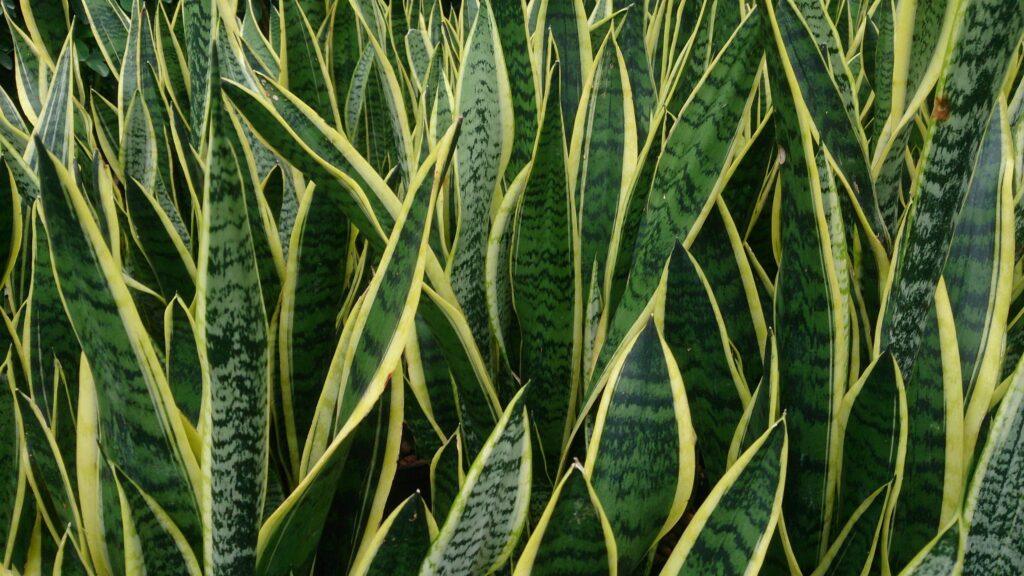
As a houseplant enthusiast, you’re likely familiar with the many options available for indoor spaces. However, one plant that stands out for its ease of care and versatility is the Sansevieria. Native to Africa and Asia, this succulent has adapted well to temperate climates, making it an ideal choice for home gardens. In this article, we’ll delve into the world of Sansevieria, exploring its characteristics, benefits, and unique features.
What is Sansevieria?
Sansevieria is a genus of flowering plants that includes around 60 species. The plant’s name comes from Saint Teresa of Ávila, who was known for her devotion to prayer and contemplation. This plant has become synonymous with these values, symbolizing resilience and beauty.
Characteristics of Sansevieria
Sansevieria is a succulent plant that thrives in well-draining soil and full sun to partial shade. Its leaves are typically long and narrow, with a thick, waxy texture that stores water. The plant can grow up to 2 meters tall, but most varieties remain compact and manageable.
Varieties of Sansevieria
Within the Sansevieria genus, you’ll find numerous species and cultivars that cater to different tastes and preferences. Some popular varieties include:
- Sansevieria Trifasciata: This is one of the most common species, characterized by its striking, striped leaves.
- Sansevieria Cylindrica: With its distinctive, cylindrical leaves, this variety adds a touch of elegance to any space.
- Sansevieria Velvet ‘Moonshine’: This rare and exotic species boasts beautiful, silvery-green leaves with subtle striations.
Benefits of Sansevieria
This plant offers numerous benefits for indoor spaces, making it an excellent choice for:
- Air purification: Sansevieria is known to remove pollutants and toxins from the air, improving indoor air quality.
- Stress relief: The soothing presence of this plant can help reduce stress and promote relaxation.
- Low maintenance: Sansevieria is incredibly easy to care for, making it perfect for busy people or those new to plant parenthood.
Sansevieria: A Low-Maintenance Option
As a low-maintenance houseplant, Sansevieria requires:
- Infrequent watering: Allow the soil to dry slightly between waterings.
- Moderate lighting: Provide bright, indirect light or partial shade.
- Warm temperatures: Keep the plant in an area with consistent temperatures between 65°F and 75°F (18°C and 24°C).
Sansevieria: A Versatile Companion
In addition to its low-maintenance requirements, Sansevieria is a versatile companion that:
- Complements decor: Its striking leaves add a touch of sophistication to any room.
- Pairs well with other plants: Sansevieria can be paired with a variety of plants to create unique and harmonious arrangements.
Sansevieria: A Symbol of Resilience
The Sansevieria has become a symbol of resilience, representing the ability to thrive in challenging environments. This plant’s capacity to adapt to new conditions makes it an excellent choice for those looking to add some greenery to their indoor space.
Propagation and Care
To propagate your Sansevieria, you can try:
- Leaf propagation: Take a healthy leaf and allow it to dry for a few days before planting it in well-draining soil.
- Division: Divide the plant into smaller sections and replant them in separate pots filled with fresh soil.
Some additional tips for care include:
- Repotting: Repot your Sansevieria every 2-3 years to provide fresh soil and a larger pot if necessary.
- Pruning: Prune your plant regularly to maintain its shape and encourage new growth.
- Pest control: Check your plant regularly for pests like spider mites, mealybugs, and scale.
Common Problems
While Sansevieria is generally easy to care for, there are some common problems that can arise:
- Overwatering: If the soil is too wet, it can lead to root rot and other issues.
- Underwatering: If the soil is too dry, it can cause stress and weaken the plant.
- Pests: Regularly check your plant for signs of pests and treat promptly if necessary.
Conclusion
In conclusion, Sansevieria is a unique and versatile houseplant that offers numerous benefits for indoor spaces. With its striking leaves, low-maintenance requirements, and ability to purify the air, this plant has become a popular choice among gardeners and plant enthusiasts. Whether you’re a seasoned green thumb or just starting out, Sansevieria is an excellent addition to your indoor space.
Frequently Asked Questions
- Q: How often should I water my Sansevieria?
A: Allow the soil to dry slightly between waterings. - Q: Can I grow Sansevieria outdoors?
A: While Sansevieria can tolerate some outdoor conditions, it’s best grown indoors in a bright, indirect light spot. - Q: How often should I fertilize my Sansevieria?
A: Fertilize your plant during the growing season (spring and summer) with a balanced, water-soluble fertilizer. - Q: Can I propagate Sansevieria?
A: Yes! You can propagate Sansevieria through leaf or division, making it easy to share plants with friends. - Q: Is Sansevieria toxic to pets?
A: No, Sansevieria is non-toxic to most pets and makes an excellent choice for homes with furry friends. - Q: Can I grow Sansevieria in low-light conditions?
A: While Sansevieria can tolerate some shade, it prefers bright, indirect light. In very low-light conditions, the plant may not thrive. - Q: How often should I repot my Sansevieria?
A: Repot your plant every 2-3 years to provide fresh soil and a larger pot if necessary. - Q: Can I grow Sansevieria in the winter?
A: Yes, but reduce watering and fertilization during the dormant season (fall and winter).


