
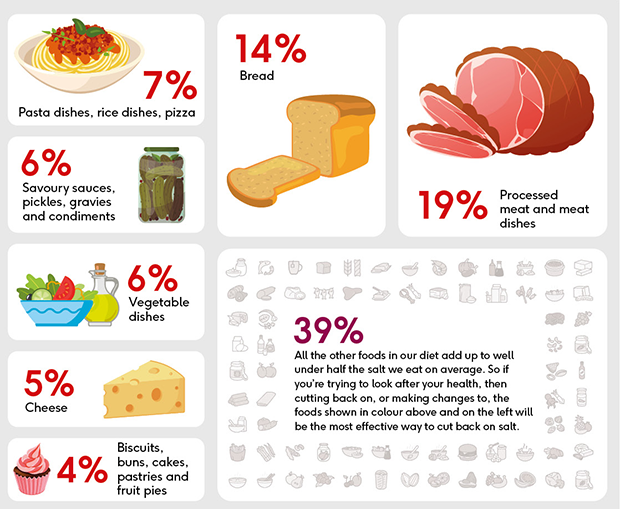
The Salty Truth: Understanding the Importance and Risks of Salt Foods
As we navigate our daily lives, it’s easy to get caught up in the hustle and bustle of cooking, eating, and living. But amidst all the chaos, it’s essential to consider one crucial aspect: salt. Salt is a staple in many cuisines around the world, but its impact on our health can be quite complex.
The Double-Edged Sword of Salt
Salt serves multiple purposes in our bodies, from regulating fluid balance to aiding digestion. However, excessive salt consumption can lead to high blood pressure, heart disease, and even stroke. The World Health Organization recommends limiting daily sodium intake to 2,000 milligrams for adults. But what exactly is considered “too much” salt?
To understand the risks associated with excessive salt consumption, it’s essential to know how our bodies process salt. When we eat salty foods, the sodium absorbs into our bloodstream and causes our body fluids to become diluted. This can lead to a variety of health problems, including:
- High blood pressure: Excessive salt consumption can increase blood pressure, which is a major risk factor for heart disease.
- Fluid retention: Sodium can cause our bodies to retain more water, leading to swelling in the feet, ankles, and hands.
- Kidney damage: Excessive sodium can put additional strain on our kidneys, which can lead to chronic kidney disease.
The Top Ten Saltiest Foods
While it’s challenging to create an exhaustive list of salty foods, we can highlight the top ten that are commonly consumed. Keep in mind that values may vary depending on the brand and type.
- Prosciutto: This Italian cured meat is a top contender for high salt content.
- Smoked Salmon: Rich in sodium, this fish is often paired with crackers or bread.
- Pecorino Cheese: A sharp, salty cheese that’s perfect for grating over pasta dishes.
- Ketchup: A condiment that adds flavor but also a significant amount of salt.
- Sausage: Whether homemade or store-bought, sausage is often high in sodium.
- Crackers and Breadsticks: Baked goods that are easy to devour, but can quickly add up in terms of salt intake.
- Fried Potatoes: Whether they’re French fries or potato chips, these snacks are often drenched in salt.
- Mayonnaise: A tasty condiment that’s high in sodium and should be consumed in moderation.
- Pickles: Sour and salty, pickles are a popular snack, but can contribute to excessive salt consumption if eaten excessively.
- French Fries: Another favorite snack that’s often served with a side of salt.
The Mediterranean Diet: A Salt-Friendly Option
Contrary to popular belief, the Mediterranean diet is not inherently high in salt. In fact, its emphasis on whole grains, fruits, and vegetables can help balance out sodium intake. By incorporating more plant-based meals and limiting processed foods, you can enjoy the benefits of this diet without excessive salt.
Quick Bites: Salty Treats We Often Overlook
Not all salty foods are high in salt content. Sometimes we mindlessly snack on treats like quick breadsticks with tomato sauce or salted doughnuts without thinking twice about the sodium levels. These “prefer sweet or salty” snacks can quickly add up in terms of salt intake, so be mindful of your consumption.
Party Foods: Be Aware of Salt Levels
During parties, it’s easy to get caught up in the excitement and grab whatever snack is convenient. However, many party foods are high in sodium, such as fries and pickles. Salumi, which is often used in sandwiches and antipasto platters, can also contribute to excessive salt intake.
Salt: The Flavor Enhancer
While it’s essential to be mindful of salt intake, it’s equally important to appreciate its role in flavor enhancement. A pinch of salt can elevate the taste of any dish, making it a valuable addition to many recipes.
Cooking with Salt: Tips and Tricks
If you’re concerned about salt intake but still want to enjoy your favorite dishes, consider using alternative seasonings like herbs and spices. When cooking with salt, remember that a little goes a long way – start with small amounts and adjust to taste.
Salt Substitutes: Natural Alternatives
For those looking for natural alternatives to salt, there are several options available:
- Lemon juice or zest: Add a squeeze of fresh lemon juice or some grated lemon zest to your dishes for a burst of flavor.
- Herbs and spices: Experiment with different herbs and spices like basil, oregano, thyme, and cumin to add depth and complexity to your meals.
- Vinegar: Use apple cider vinegar or balsamic vinegar as a substitute for salt in salad dressings and marinades.
- Sea vegetables: Explore the world of sea vegetables like seaweed, kelp, and dulse for a salty, umami flavor without the sodium.
Salt-Free Seasoning Blends
For those looking to reduce their sodium intake, consider using salt-free seasoning blends. These blends can be made from herbs, spices, and other ingredients and are a great way to add flavor without excess salt.
The Humble Hero: Salt Shakers
Let’s not forget the humble salt shaker, which can be a stylish addition to any kitchen. If you’re bothered by the thought of being careful about salt intake, consider investing in a cool saltshaker or a set of mill salt and pepper in stainless steel ( priced at 45 euros on Amazon).
Conclusion
Salt is an essential component of our diet, but its impact on our health can be complex. By understanding the risks associated with excessive salt consumption and being mindful of our intake, we can enjoy the benefits of salt without compromising our well-being.
Frequently Asked Questions (FAQs)
- Q: How much salt is too much?
A: The World Health Organization recommends limiting daily sodium intake to 2,000 milligrams for adults. - Q: Can I still eat salty foods if I have high blood pressure?
A: Yes, but it’s essential to monitor your sodium intake and adjust accordingly with the help of a healthcare professional. - Q: Are all saltiest foods high in sodium?
A: While many salty foods are high in sodium, some can be lower in content depending on the brand and type. - Q: Can I substitute salt with other seasonings?
A: Yes, herbs and spices can add flavor without excessive salt. - Q: How can I reduce my salt intake?
A: Start by monitoring your current sodium intake, then gradually adjust by incorporating more plant-based meals and limiting processed foods. - Q: Can I still enjoy the Mediterranean diet if it’s high in salt?
A: While some Mediterranean dishes are salty, the emphasis on whole grains, fruits, and vegetables can help balance out sodium intake. - Q: Are quick snacks like breadsticks and doughnuts a healthy option?
A: These treats should be consumed in moderation due to their high sodium content. - Q: Can I use salt alternatives instead of traditional salt?
A: Yes, consider using natural salt alternatives or reducing your overall salt intake for healthier options.
Salt Intake: A Guide to Monitoring Your Consumption
Monitoring your salt intake is crucial to maintaining a healthy diet. Here are some tips for tracking your sodium consumption:
- Read food labels: Check the nutrition label on packaged foods to see how much sodium is present.
- Keep a food diary: Record everything you eat and drink in a journal or spreadsheet to track your sodium intake over time.
- Consult with a healthcare professional: Your doctor or registered dietitian can help you develop a personalized plan for reducing your salt intake.
By following these tips and being mindful of your salt intake, you can enjoy the flavors and textures that salt provides without compromising your health.


