
Understanding Salmonellosis: Prevention, Symptoms, and Treatment
What is Salmonellosis?
Salmonellosis is an infection caused by the Salmonella bacteria. It can be spread through contaminated food or water, and contact with infected animals.
History of Salmonellosis
The first recorded outbreak of salmonellosis occurred in the United States in 1885, when a large number of people fell ill after consuming contaminated milk. Since then, salmonellosis has become one of the most common bacterial foodborne illnesses worldwide. The Centers for Disease Control and Prevention (CDC) estimates that approximately 1.2 million cases of salmonellosis occur annually in the United States.
How Salmonellosis Spreads
Salmonellosis can be spread through several routes:
- Food: Contaminated food is a common source of salmonellosis. This includes raw or undercooked poultry, eggs, and dairy products.
- Water: In rare cases, salmonellosis can be contracted through contaminated drinking water.
- Animal contact: People who handle live animals, such as chickens, may also become infected with salmonella.
Common Sources of Salmonellosis
Certain foods are more likely to cause salmonellosis than others. These include:
- Raw poultry: Raw or undercooked poultry is a common source of salmonellosis.
- Eggs: Contaminated eggs, especially those that are not refrigerated properly, can cause salmonellosis.
- Unpasteurized dairy products: Unpasteurized dairy products, such as raw milk and soft cheeses, can contain salmonella bacteria.
Prevention of Salmonellosis
Preventing salmonellosis requires a combination of good hygiene practices and safe food handling habits. Here are some tips for preventing salmonellosis:
- Washing your hands: Washing your hands regularly, especially after handling animals or their waste, can help prevent the spread of salmonella.
- Cooking food thoroughly: Cooking food to the recommended internal temperature can kill salmonella bacteria.
- Avoiding raw foods: Avoid consuming raw or undercooked foods, such as raw poultry and unpasteurized dairy products.
- Storing food safely: Store food in a clean environment, and keep it refrigerated at 40°F (4°C) or below.
Symptoms of Salmonellosis
The symptoms of salmonellosis typically last for 4-7 days and include:
- Diarrhea: Diarrhea is one of the most common symptoms of salmonellosis.
- Fever: A fever can accompany diarrhea in people with salmonellosis.
- Abdominal pain: Abdominal pain, including cramping and tenderness, can occur in some cases of salmonellosis.
- Nausea and vomiting: Nausea and vomiting may also be present in individuals infected with salmonella.
Complications of Salmonellosis
While most people recover from salmonellosis on their own without complications, some individuals may experience serious consequences. These include:
- Bacteremia: In rare cases, the bacteria can enter the bloodstream and cause a life-threatening infection called bacteremia.
- Bloodstream infections: Bloodstream infections occur when bacteria spread to the blood through the bloodstream.
- Organ failure: In severe cases of salmonellosis, the infection can spread to other organs, such as the kidneys or liver, leading to organ failure.
Diagnosis of Salmonellosis
Diagnosing salmonellosis typically involves a combination of clinical evaluation and laboratory testing. Here are some methods used for diagnosing salmonellosis:
- Stool culture: A stool sample is taken from the infected individual and sent to a laboratory for analysis.
- Blood tests: Blood tests can detect the presence of antibodies against salmonella in the blood.
- Imaging studies: Imaging studies, such as X-rays or CT scans, may be used to evaluate complications of salmonellosis.
Treatment of Salmonellosis
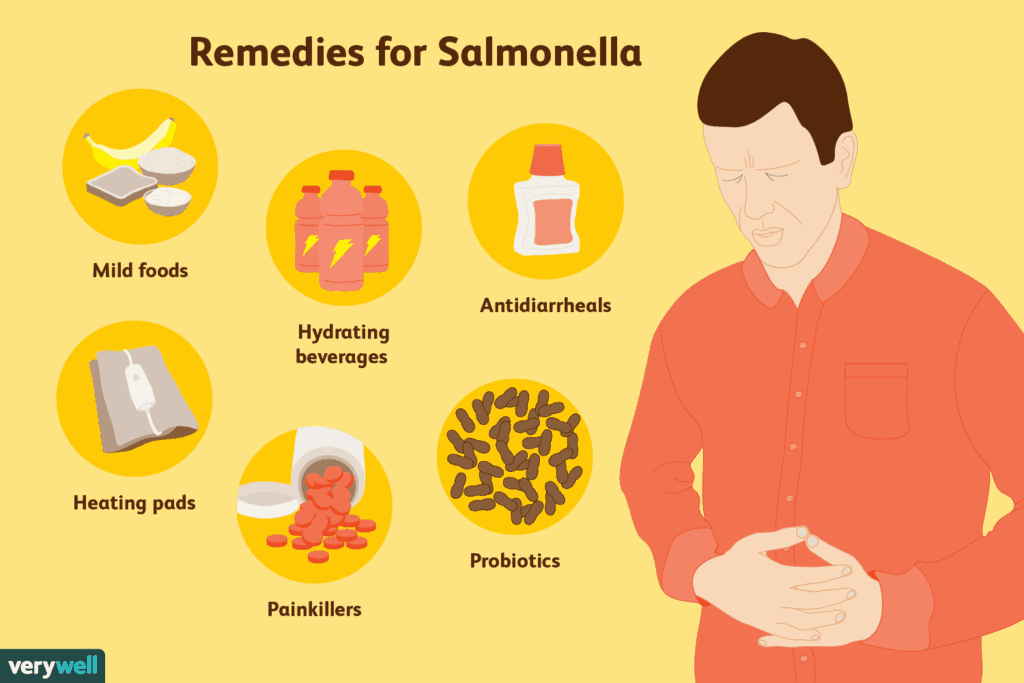
The primary treatment for salmonellosis is supportive care, which aims to alleviate symptoms and prevent complications. In some cases, antibiotics may be prescribed to treat the infection. Here are some common treatments for salmonellosis:
- Fluid replacement: Fluid replacement therapy can help replace lost fluids and electrolytes.
- Antibiotics: Antibiotics, such as ciprofloxacin or azithromycin, may be prescribed to treat the infection in some cases.
- Rest and hydration: Getting plenty of rest and staying hydrated can help alleviate symptoms.
Preventing Complications
While most people recover from salmonellosis without complications, there are steps that individuals can take to prevent complications. Here are some tips for preventing complications:
- Seek medical attention early: If you suspect you have salmonellosis or are experiencing severe symptoms, seek medical attention as soon as possible.
- Follow treatment guidelines: Follow the recommended treatment plan for your specific case of salmonellosis.
- Stay hydrated: Drink plenty of fluids to stay hydrated and prevent dehydration.
Conclusion
Salmonellosis is a bacterial foodborne illness caused by the Salmonella bacteria. While most people recover from salmonellosis without complications, there are steps that individuals can take to prevent complications. By practicing good hygiene habits, cooking food thoroughly, and avoiding raw foods, you can reduce your risk of contracting salmonellosis. If symptoms occur, seek medical attention as soon as possible to receive proper treatment.
Frequently Asked Questions
- How long does salmonellosis last?: The symptoms of salmonellosis typically last for 4-7 days.
- Can salmonellosis be prevented?: Yes, there are several ways to prevent salmonellosis, including washing your hands regularly, cooking food thoroughly, and avoiding raw foods.
- What is the best way to treat salmonellosis?: The primary treatment for salmonellosis is supportive care, which aims to alleviate symptoms and prevent complications. Antibiotics may be prescribed in some cases.
References
- Centers for Disease Control and Prevention (2022). Salmonella.
- Mayo Clinic (2022). Salmonella infection
- World Health Organization (2022). Food safety.
- National Institute of Allergy and Infectious Diseases (2022). Gastrointestinal infections


