
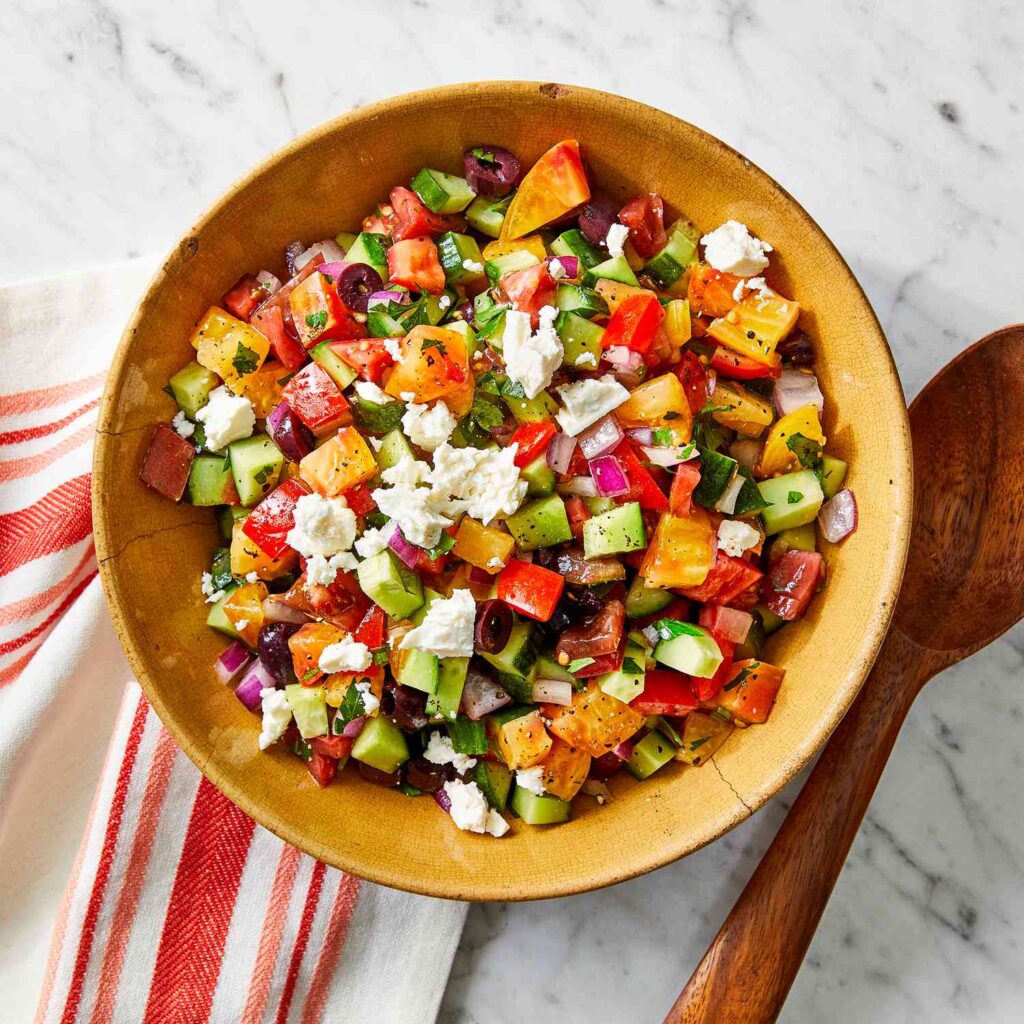
As the summer months approach, our minds turn to light and refreshing dishes that not only tantalize our taste buds but also satisfy our dietary needs. Summer salads are an excellent choice for those looking to shed a few pounds or simply maintain a healthy lifestyle. In this article, we’ll explore the world of low-calorie summer salads, delving into their benefits, nutritional value, and creative recipes to make your dining experience even more delightful.
The Benefits of Summer Salads
Summer salads are typically light and refreshing dishes, particularly recommended for those on a diet. They’re easy and quick to prepare, rich in nutrients: they provide an adequate supply of vitamins, minerals, fiber, and contain virtually no fat. All leafy green salads contain vitamin B group while the content of vitamin C, PP, and provitamin A varies depending on the type of salad.
Understanding Leafy Green Salads
Leafy green salads are a treasure trove of nutrients, providing an adequate supply of vitamins, minerals, fiber, and virtually no fat. They’re an excellent choice for those looking to incorporate more greens into their diet. But what sets leafy green salads apart from other types of salads?
Vitamins and Minerals Galore
Leafy green salads are a rich source of various vitamins and minerals, including:
- Vitamin B group: essential for energy production and nerve function
- Vitamin C: antioxidant properties that boost immunity and protect against diseases
- PP (PABA): helps regulate blood sugar levels and improve cardiovascular health
- Provitamin A: converts to vitamin A in the body, supporting healthy vision, immune function, and skin health
Types of Leafy Green Salads
While leafy green salads are a great source of nutrients, their nutritional value varies depending on the type of salad. Some leafy greens are more nutrient-dense than others:
- Indivia: rich in precursors to vitamin A and vitamin C
- Chicory: particularly rich in precursors to vitamin A and vitamin C
- Lettuce: less so in vitamins and minerals compared to other leafy greens
- Radicchio: still a good source of vitamins and minerals, but with slightly lower levels than other options
The Science Behind Summer Salads
Summer salads are not only delicious but also offer numerous health benefits. The combination of various ingredients in summer salads provides a range of essential nutrients that can help support overall health. For instance, the antioxidants present in leafy greens like spinach and kale can help protect against cell damage and reduce inflammation. On the other hand, the high fiber content in summer salads can aid digestion and promote regular bowel movements.
Low-Calorie Summer Salads Recipe
By combining different ingredients, summer salads become perfect unique dishes. Here’s a simple recipe to get you started:
Ingredients:
- Lettuce
- 1 cucumber, sliced
- 2 medium tomatoes, sliced
- 1/4 cup chopped onion
- 100g of cooked granular rice (broken into pieces)
- 1 green apple, sliced
- A handful of almonds, peeled and sliced
- 1 potato
Preparation: peel the potato, break it into small pieces, and boil until done. Meanwhile, wash the lettuce, then place it in a large salad bowl with all the ingredients. Once cooked, add the potatoes.
Low-Calorie Summer Salads Dressing
The calorie content of summer salads depends on how they’re dressed. Classic condiments like olive oil, salt, and vinegar can be a good nutritional solution when used in moderation. However, these options might not be suitable for everyone, especially those watching their fat intake. A better alternative to olive oil is white yogurt, which has very little fat.
To prepare the dressing, mix together in a bowl 1/2 cup (75g) of non-fat yogurt, 1 teaspoon of lemon juice, a pinch of black pepper, salt, and chopped fresh herbs like parsley or cilantro.
Tips for Making Low-Calorie Summer Salads
Here are some tips to help you create delicious low-calorie summer salads:
- Choose leafy green salads as your base
- Incorporate a variety of vegetables, such as cucumbers, tomatoes, and onions
- Add protein sources like almonds, granular rice, or cooked potatoes
- Use herbs and spices to add flavor instead of oil and salt
- Opt for low-calorie dressing alternatives like lemon juice and non-fat yogurt
Conclusion
Summer salads are a perfect choice for those looking to shed a few pounds or maintain a healthy lifestyle. They’re easy to prepare, rich in nutrients, and can be customized to suit your dietary needs. By incorporating leafy green salads into your diet and using low-calorie dressing alternatives, you’ll be well on your way to creating delicious and nutritious summer salads that will keep you coming back for more.
Frequently Asked Questions (FAQs)
- What is the best type of salad for a low-calorie diet?
Leafy green salads are an excellent choice for those looking to shed pounds or maintain a healthy lifestyle. - How can I make my summer salads more nutritious?
Incorporate a variety of vegetables, add protein sources like almonds or granular rice, and use herbs and spices to add flavor instead of oil and salt. - What are the benefits of using lemon juice as a dressing alternative?
Lemon juice is rich in vitamin C, which greatly increases the absorption of iron from plant-based food by the body. - Can I replace olive oil with another fat source in my summer salad dressing?
Yes, white yogurt has very little fat and can be used as an alternative to olive oil. - How can I make my summer salads more flavorful without adding extra calories?
Use herbs and spices to add flavor instead of oil and salt, and incorporate a variety of vegetables to add texture and taste. - What is the best way to prepare leafy green salads for optimal nutrition?
Wash the lettuce thoroughly before placing it in a large salad bowl with all the ingredients. - Can I use other types of protein sources in my summer salads, such as nuts or seeds?
Yes, you can use other types of protein sources like almonds or chia seeds to add protein and texture to your summer salads. - How can I store leftover summer salads to maintain their nutritional value?
Store leftover summer salads in an airtight container in the refrigerator for up to 24 hours.
Nutritional Benefits of Summer Salads
Summer salads offer numerous health benefits that make them an excellent addition to any diet. Here are some of the key nutritional benefits of summer salads:
- High in fiber: summer salads are rich in dietary fiber, which can help support digestive health and promote regular bowel movements.
- Rich in antioxidants: leafy greens like spinach and kale contain a range of antioxidants that can help protect against cell damage and reduce inflammation.
- Low in fat: summer salads typically contain very little fat, making them an excellent choice for those watching their diet.
- High in vitamins and minerals: summer salads are rich in essential vitamins and minerals like vitamin B, C, PP, and provitamin A.
Creative Summer Salad Recipes
Here are some creative summer salad recipes to inspire your next meal:
- Summer Garden Salad: a colorful mix of leafy greens, cherry tomatoes, cucumber, carrots, and red onion.
- Greek Salad: a classic combination of feta cheese, olives, cucumbers, tomatoes, and mixed greens.
- Southwestern Salad: a flavorful mix of black beans, corn, diced tomatoes, avocado, and tortilla chips.
- Asian-Style Salad: a refreshing blend of shredded carrots, chopped cabbage, sliced green apple, and toasted almonds.
- Caprese Salad: a classic Italian salad featuring fresh mozzarella cheese, juicy tomatoes, and basil leaves.
Tips for Customizing Your Summer Salads
Summer salads can be customized to suit your dietary needs and preferences. Here are some tips for creating the perfect summer salad:
- Choose leafy greens like spinach, kale, or arugula as your base.
- Incorporate a variety of vegetables like cucumbers, tomatoes, onions, and carrots.
- Add protein sources like almonds, granular rice, or cooked potatoes to keep you full and satisfied.
- Use herbs and spices to add flavor instead of oil and salt.
- Experiment with different dressings and toppings to find your favorite combination.
By following these tips and recipes, you can create delicious and nutritious summer salads that will become a staple in your diet.


