
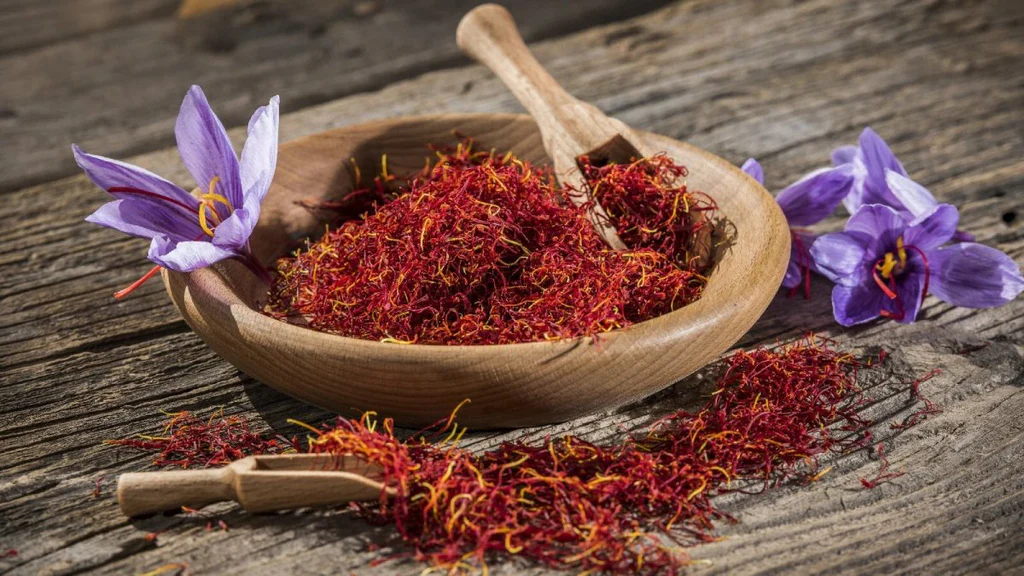
Saffron is considered the “King of Spices” due to its unique flavor and high value. Its expensive price is justified by the low yield and labor-intensive process of production. This precious spice is derived from the stigmas of Crocus sativus, a delicate flower with a beautiful purple or lilac color.
History of Saffron
Saffron has been prized for centuries due to its distinctive flavor and vibrant yellow color. The process of harvesting, drying, and processing the stigmas is time-consuming and labor-intensive, making saffron one of the most expensive spices in the world. With a cost that ranges from $8 to $14 per gram, it’s no wonder that saffron is often referred to as “gold” by farmers.
How to Choose Saffron
When purchasing saffron, look for high-quality products with a uniform color and consistency. Avoid products with white particles or uneven colors, as these may be signs of low-quality or adulterated spices. Consider buying whole threads or filaments, which can be easily powdered in your home.
Benefits of Saffron
Saffron is not only a flavor enhancer but also has numerous health benefits due to its high content of crocina, a powerful antioxidant. A small amount of saffron (about 1/2 teaspoon) provides the same amount of antioxidants as eating 300 grams of fresh tomatoes! Additionally, saffron is rich in vitamins, minerals, and oligo-elements that support overall well-being.
Using Saffron in Cooking
Saffron can be used to add flavor, color, and aroma to various dishes, from appetizers to desserts. It’s best to use the powder or filaments instead of the whole threads, as these are easier to measure and mix into your recipes. Before adding saffron, soak it in hot water or broth to release its flavors and oils.
Traditional Saffron Dishes
Saffron is an essential ingredient in many traditional dishes around the world. Some popular examples include:
- Paella (Spanish rice dish)
- Bouillabaisse (French fish stew)
- Risotto alla Milanese (Italian rice dish)
- Saffron ice cream (a unique dessert from India)
Modern Uses for Saffron
Saffron is not limited to traditional cuisine. It can also be used in modern dishes, such as:
- Saffron-infused water
- Saffron tea
- Saffron-based cocktails
- Saffron-adorned desserts
Saffron in Traditional Medicine
In traditional medicine, saffron has been used for centuries to treat various health issues, including anxiety, depression, and inflammation. While the evidence is limited, saffron’s antioxidant properties may help alleviate symptoms of these conditions.
Scientific Research on Saffron
Recent studies have shed light on the potential health benefits of saffron. For example:
- A study published in the Journal of Agricultural and Food Chemistry found that saffron extract reduced inflammation in mice with colitis.
- Another study published in the European Journal of Nutrition found that saffron improved cognitive function and reduced anxiety in individuals with mild cognitive impairment.
Cultivating Saffron
Growing saffron requires specific conditions, including cold winters and hot summers. To cultivate saffron, start with high-quality bulbs that have been properly stored and handled. Follow a comprehensive guide to learn about the best practices for growing saffron and ensuring optimal yields.
Saffron Cultivation Tips
- Saffron requires well-draining soil with a pH between 6.0 and 7.0.
- Plant saffron bulbs in the fall or early spring, depending on your location.
- Provide full sun to partial shade for optimal growth.
- Water regularly but avoid overwatering, which can lead to root rot.
Conclusion
Saffron is a unique spice that offers not only flavor but also numerous health benefits. By choosing high-quality products, using them effectively in cooking, and cultivating your own bulbs, you can unlock the full potential of this exotic spice. Whether you’re a seasoned chef or an enthusiastic home cook, saffron is sure to add a touch of luxury and sophistication to your dishes.
Frequently Asked Questions (FAQs)
- Q: What is the best way to store saffron?
A: Saffron should be stored in a cool, dry place, away from direct sunlight and moisture. - Q: How do I measure saffron accurately?
A: Use a digital kitchen scale or measuring spoons to ensure accurate dosing of saffron. - Q: Can I substitute other spices for saffron?
A: No, as saffron has a unique flavor and color that cannot be replicated by other spices. - Q: How do I preserve saffron filaments?
A: Store saffron filaments in an airtight container to prevent moisture and light damage. - Q: Can I grow saffron at home?
A: Yes, with the right conditions and care, you can successfully cultivate saffron in your garden. - Q: What is the difference between organic and conventional saffron?
A: Organic saffron is grown without synthetic pesticides or fertilizers, while conventional saffron may contain these substances. - Q: Can I use saffron in desserts?
A: Yes, saffron pairs well with sweet dishes like custards, puddings, and cakes. - Q: How do I handle saffron filaments for cooking?
A: Handle saffron filaments gently to avoid damaging them, as this can reduce their flavor and aroma.
Safety Precautions
When handling saffron, it’s essential to follow some safety precautions:
- Wear gloves when handling saffron threads or filaments to avoid skin irritation.
- Avoid ingesting saffron threads or filaments, as they can cause gastrointestinal upset.
- Store saffron in airtight containers to prevent moisture and light damage.
Saffron Etiquette
When serving saffron-infused dishes, consider the following etiquette tips:
- Garnish with fresh herbs like parsley or rosemary for added color and flavor.
- Serve saffron-infused drinks in ornate glasses to enhance their visual appeal.
- Pair saffron-infused desserts with a cup of coffee or tea to balance out their sweetness.
Conclusion
Saffron is an exotic spice that offers not only flavor but also numerous health benefits. By choosing high-quality products, using them effectively in cooking, and cultivating your own bulbs, you can unlock the full potential of this precious spice. Whether you’re a seasoned chef or an enthusiastic home cook, saffron is sure to add a touch of luxury and sophistication to your dishes.


