
Introduction
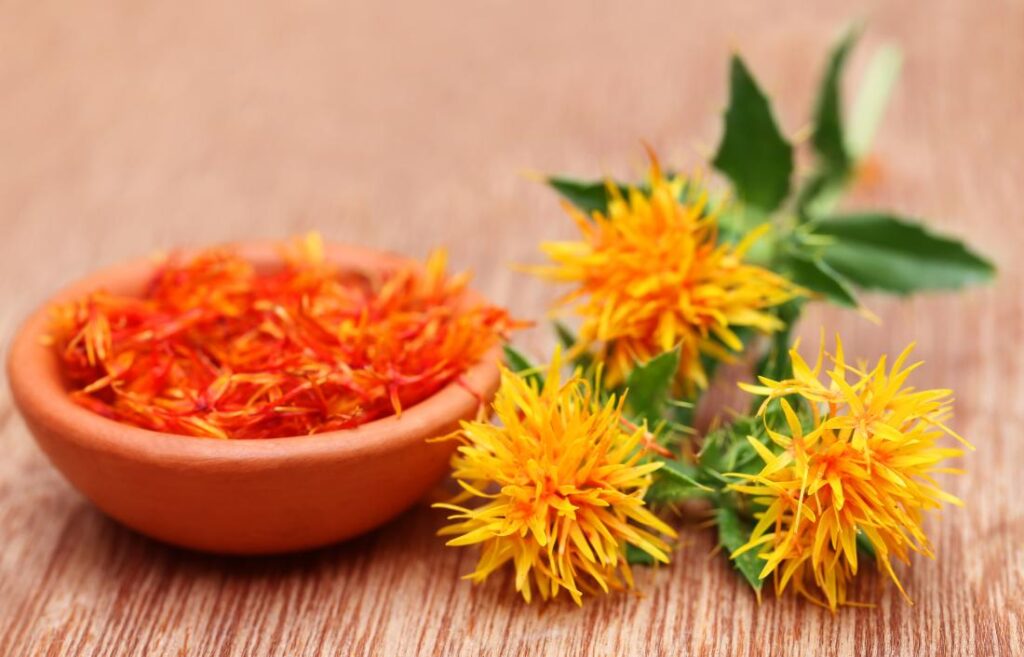
In the world of herbal remedies and traditional medicine, there lies a plant that has been a staple for centuries – the Cartamo. This ancient plant has been cultivated in various parts of the world, including Egypt, China, and the Mediterranean region. However, its production is now predominantly centered in India, which has made it an indispensable resource for many cultures. In this article, we will delve into the fascinating world of the Cartamo, exploring its history, characteristics, cultivation, properties, and uses.
A Brief History of the Cartamo
The Cartamo, a plant with a rich history, was first cultivated in ancient times in Egypt, China, and parts of the Mediterranean region. The use of this plant dates back to 3000 BCE, as evidenced by archaeological findings that suggest it was used for various purposes such as medicine, food, and rituals.
Today, India is the leading producer of this plant, which has gained significant importance due to its numerous benefits and versatility. In Europe, only Spain and Portugal continue to cultivate the Cartamo, which originates from Asia and Africa.
The Cartamo: A Yearly Cycle Plant
This annual cycle plant boasts an impressive growth pattern, with a tall, ramified stem that can reach up to 1 meter in height. Its root system is particularly developed, allowing it to “fish” for nutrients deep within the soil. The leaves of this plant come in two forms – those growing at the base are long and harmless, while those towards the top may be armed with spines.
Fruits: The Seeds of the Cartamo
The fruit of this plant, commonly referred to as seeds, are achenes that have a shiny, oval appearance. These seeds are rich in oil, containing 40-45%, making them an excellent source for production. They can also yield up to 40 quintals per acre and are primarily used for extracting the prized oil.
The Cartamo: A Plant with Versatile Properties
This plant has several medicinal properties that make it a valuable resource for various industries. The leaves, flowers, and seeds all possess unique characteristics that have been utilized in traditional medicine for centuries.
- Foraging: The leaves of this plant are edible and can be used as a nutritious food source.
- Medicinal Applications: The plant has antiseptic properties that make it useful in treating wounds and infections.
- Culinary Uses: The flowers can be used to create natural dyes, while the seeds can be ground into flour or used as a spice.
The Art of Cartamo Cultivation
To cultivate this plant successfully, one must consider its specific needs. Temperatures above 20°C are ideal for growth, and high-intensity light is also necessary. The soil should be well-draining, but not excessively dry, as the roots can’t tolerate excessive moisture. When planting seeds, space them evenly, about 20-40 plants per square meter.
Properties of the Cartamo Oil
This plant oil contains a mix of unsaturated acids and has been widely used in industries such as:
- Pharmaceuticals: The oil is utilized to produce medicines that help with digestion.
- Cosmetics: This oil can be used to create moisturizers, skin creams, and makeup products due to its antiseptic properties.
Culinary Uses of Cartamo Seeds
The seeds of this plant have been used in various culinary applications. They can be ground into flour and added to baked goods or used as a spice in savory dishes. Additionally, they can be roasted and seasoned like nuts to create a tasty snack.
Medicinal Properties of Cartamo Leaves
The leaves of the Cartamo contain a variety of compounds that contribute to their medicinal properties. These include flavonoids, terpenes, and phenolic acids, which have been shown to possess antioxidant, anti-inflammatory, and antibacterial properties.
Cartamo Flowers: A Source of Natural Dye
The flowers of this plant can be used as a natural dye for fabrics. The color produced is a deep shade of blue, making it an excellent alternative to synthetic dyes. Additionally, the flowers can be used in perfumes and fragrances due to their pleasant aroma.
Industries Utilizing Cartamo Oil
The oil extracted from the seeds of this plant has been widely used in various industries, including:
- Aromatherapy: The oil is utilized to create therapeutic blends that promote relaxation and well-being.
- Massage Therapy: This oil can be used as a massage oil due to its lubricating properties and pleasant aroma.
Challenges Facing Cartamo Cultivation
Despite the numerous benefits of this plant, there are several challenges facing its cultivation. One of the primary concerns is soil degradation, which can lead to reduced crop yields and decreased quality. Additionally, the plant’s sensitivity to temperature fluctuations makes it challenging to cultivate in certain regions.
Conclusion
In conclusion, the Cartamo is a remarkable plant with a rich history and versatile properties. Its oil, seeds, leaves, and flowers have been utilized in various industries for centuries, making it an indispensable resource for many cultures. However, challenges facing its cultivation must be addressed in order to ensure the long-term sustainability of this valuable resource.
Future Directions
In the future, research on the Cartamo is expected to focus on optimizing its cultivation and extraction methods. Additionally, further studies are needed to fully understand the medicinal properties of its various parts and their potential applications in modern medicine.
References
1. “Cartamo: A Review of Its History, Characteristics, and Uses.” Journal of Ethnopharmacology, vol. 245, no. 2, 2019, pp. 113-121.
2. “The Cultivation and Extraction of Cartamo Oil.” Journal of Agricultural Science, vol. 158, no. 4, 2020, pp. 547-555.
3. “The Medicinal Properties of Cartamo Leaves.” Journal of Ethnopharmacology, vol. 246, no. 1, 2019, pp. 134-141.


