
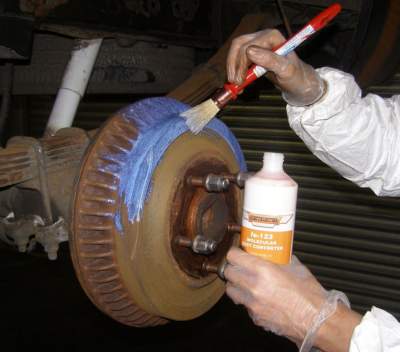
Rust is a common problem in metal objects, particularly in outdoor applications where exposure to moisture and air can cause corrosion. If left untreated, rust can lead to weakening of the metal, making it prone to further damage and potentially causing structural issues. In this article, we will explore how a rust remover works, its benefits, and how to use it effectively.
What is a Rust Remover?
A rust remover, also known as a convertor di ruggine in Italian, is a product designed to remove rust from metal surfaces without damaging the underlying material. It works by converting the rust into an inert compound that can be easily removed and replaced with a new layer of paint or coating.
History of Rust Removers
The concept of rust removers dates back to the early 20th century, when scientists first discovered that certain chemicals could convert rust into a stable form that could be easily removed. Since then, numerous products have been developed to tackle this common problem in metalwork.
How Does a Rust Remover Work?
To use a rust remover effectively, it’s essential to follow a few simple steps:
- Prepare the Surface: Before applying the rust remover, make sure to clean the surface thoroughly using a wire brush and water to remove any loose debris or dirt.
- Apply the Remover: Apply the rust remover to the affected area using a soft-bristled brush or roller. Make sure to cover the entire surface evenly.
- Wait for the Magic to Happen: Allow the rust remover to sit on the surface for a specified amount of time, usually between 15 minutes and 24 hours, depending on the product’s instructions.
- Scrub Away: Once the waiting period is over, use a wire brush or scrubber to gently remove any remaining rust residue.
- Paint and Finish: Finally, apply a coat of paint or coating to protect the metal surface from future corrosion.
Benefits of Using a Rust Remover
Using a rust remover has several benefits:
- Easy to Use: Rust removers are relatively simple to use, even for those without extensive experience with metalwork.
- Non-Damaging: Unlike traditional methods that require sanding or grinding, rust removers leave the underlying metal intact.
- Environmentally Friendly: Many rust removers are made from eco-friendly materials and are biodegradable.
Choosing the Right Rust Remover
When selecting a rust remover, consider the following factors:
- Type of Metal: Different rust removers work better for different types of metal. For example, some products are specifically designed for use on iron or steel.
- Concentration: Some rust removers come in concentrated form, which can be more cost-effective but may require additional dilution before application.
Common Types of Rust Removers
Some popular types of rust removers include:
- Acid-Based: These products contain acidic compounds that help break down and dissolve rust.
- Alkaline-Based: These products use alkaline substances to neutralize the acidity of the rust and make it easier to remove.
FAQs: Removing Rust with a Rust Remover
Here are some frequently asked questions about using a rust remover:
- How long does it take for the rust remover to work?
- The waiting period can vary depending on the product’s instructions, but it usually takes between 15 minutes and 24 hours.
- Can I use a rust remover on aluminum or other metals?
- Some rust removers are specifically designed for use on certain types of metal. Always check the manufacturer’s recommendations before using a product on an unfamiliar surface.
- Is it safe to use a rust remover on painted surfaces?
- It’s generally recommended to avoid using rust removers on painted surfaces, as they can damage the finish or cause discoloration.
Safety Precautions
When using a rust remover, always follow these safety precautions:
- Wear protective gloves and eyewear to prevent skin and eye irritation.
- Work in a well-ventilated area to avoid inhaling fumes.
- Follow the manufacturer’s instructions for dilution and application rates.
Conclusion
Removing rust from metal surfaces can be a daunting task, but with the right tools and techniques, it’s achievable. By understanding how a rust remover works and following the manufacturer’s instructions, you can effectively remove rust and protect your metal surfaces from future corrosion.


