
Introduction
If you’re looking for a small but mighty companion, the Russian hamster might be just what you need. With its endearing personality and adorable appearance, it’s no wonder why this rodent has won the hearts of many pet owners. But before bringing one home, let’s dive into the world of these fascinating creatures.
Russian Hamster: Scientific Name and Origin
The scientific name for the Russian hamster is Phodopus campbelli. These small mammals originated from the north-eastern part of Russia, Siberia, and Central Asia. Some subspecies can also be found in northern China, where they have adapted to dry climates. In ideal temperatures around 20°C, they remain active all year round.
Characteristics
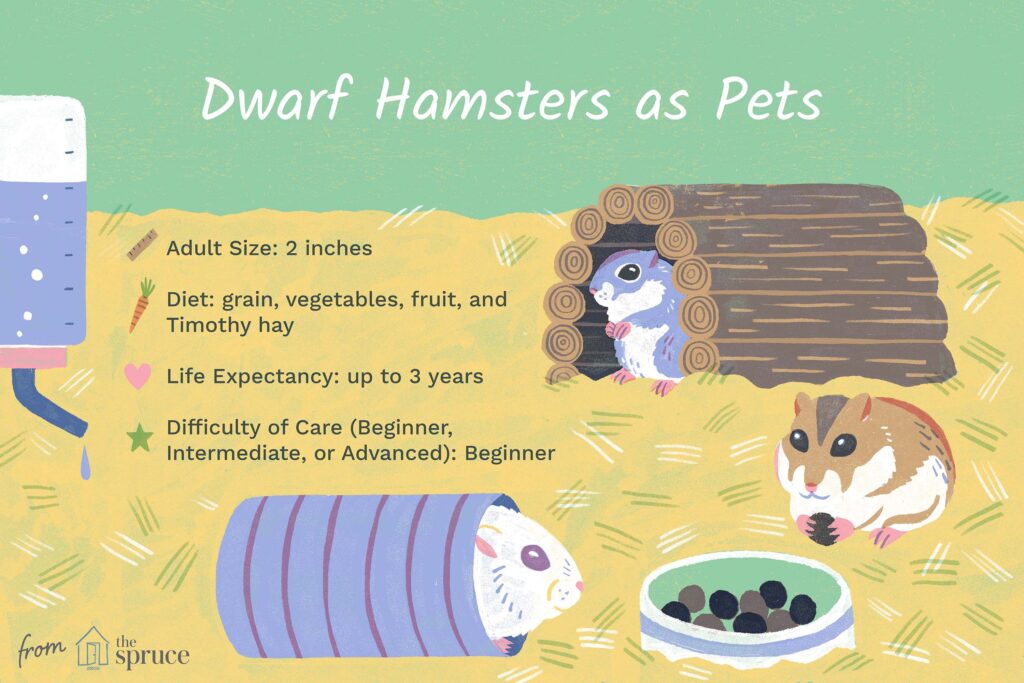
The Russian hamster is easily recognizable by its rounded body shape, straight spine, grayish-brown color with pink stripes on the back, and white underside. Its distinctive black stripe along its spine makes it a standout among other rodents. Reaching lengths of up to 10-12 cm, these tiny creatures are quite compact.
Handling and Temperament
One of the most appealing aspects of owning a Russian hamster is their gentle nature. They’re quick to trust humans and enjoy human interaction. However, they can be mischievous and easily distracted, making them perfect for those who want a pet that’s both playful and affectionate.
Their nocturnal habits mean they sleep during the day and are most active at night, so keep this in mind when choosing their enclosure. Russian hamsters also have a tendency to bite if scared or threatened, but proper handling and socialization can minimize this behavior.
Health and Hygiene
Russian hamsters are meticulous about cleanliness and hygiene. They spend a significant amount of time grooming themselves and keeping their living space tidy. This makes them relatively low-maintenance pets when it comes to cleaning up after them.
Diet and Nutrition
As omnivores, Russian hamsters require a balanced diet that includes both plant-based and animal-derived foods. A mix of commercial pellets, fresh vegetables, fruits, and occasional treats like nuts or seeds is ideal. Avoid giving them too much of the same food, as this can lead to boredom and health issues.
Some favorite foods among Russian hamsters include carrots, broccoli, apples, grapes, and berries. Limit their consumption of sugary snacks, however, as these can cause digestive problems. Treats like cooked eggs or yogurt can also be introduced into their diet in moderation.
Enclosure and Environment
A spacious enclosure with plenty of hiding places is essential for Russian hamsters. They’re naturally curious creatures that love to explore and play. Include toys, tubes, and exercise balls to keep them entertained and active.
Avoid placing the cage near loud areas or drafty spaces, as these can cause stress. Keep the temperature consistent and provide a warm place for them to retreat to during cooler months.
Breeding and Socialization
Russian hamsters are social animals that thrive in pairs or groups. However, introducing new companions too quickly can lead to aggression. It’s recommended to start with a single hamster and then introduce a companion when it reaches 6-12 months of age.
During this time, Russian hamsters undergo significant physical changes, including the development of their reproductive organs. They tend to mate at the beginning of spring, making them ideal pets for those interested in breeding or simply wanting a more interactive experience.
Care and Maintenance
To keep your Russian hamster happy and healthy, you’ll need to perform regular maintenance tasks:
- Clean the cage: Remove soiled bedding material, disinfect food and water dishes, and replace with fresh materials.
- Check the humidity level: Ensure the enclosure is at a comfortable humidity level (around 50-60%) to prevent respiratory problems.
- Monitor temperature: Keep the temperature consistent within a range of 20-24°C.
- Provide plenty of exercise: Rotate toys and provide opportunities for your hamster to explore and play.
- Offer a balanced diet: Feed a mix of commercial pellets, fresh vegetables, fruits, and occasional treats.
Common Health Issues
While Russian hamsters are generally hardy animals, they can be prone to certain health issues:
- Respiratory problems: Keep the enclosure clean and well-ventilated to prevent respiratory issues.
- Dental problems: Provide plenty of chew toys and rotate them regularly to keep your hamster’s teeth trimmed.
- Parasites: Check for signs of parasites like mites, lice, or fleas.
- Injuries: Be careful when handling your hamster, as they can be prone to injuries.
Tips for Handling
Handling a Russian hamster requires care and attention:
- Start slow: Begin with short handling sessions (5-10 minutes) and gradually increase the duration as your hamster becomes more comfortable.
- Be gentle: Handle your hamster gently, supporting their body and avoiding sudden movements.
- Watch for signs of stress: If your hamster appears stressed or anxious during handling, it’s best to give them space.
Tips for Encouraging Socialization
To encourage socialization in Russian hamsters:
- Start with a single hamster: Give each hamster individual attention and interaction before introducing new companions.
- Introduce companions gradually: Start by keeping the hamsters separated and allowing them to become familiar with each other’s scent, sounds, and movements.
- Monitor behavior: Watch for signs of aggression or fear in both hamsters and intervene if necessary.
Conclusion
The Russian hamster is an excellent choice for anyone looking for a loyal and entertaining companion. With proper care, attention, and socialization, these small wonders can thrive in captivity. By understanding their unique characteristics, dietary needs, and environmental requirements, you’ll be well on your way to creating a happy and healthy home for your new furry friend.
FAQs
- Q: How often should I clean the cage of my Russian hamster?
A: Clean the cage at least twice a week, removing soiled bedding material and disinfecting food and water dishes. - Q: Can I handle my Russian hamster every day?
A: While it’s ideal to interact with your hamster daily, be sure to respect their boundaries and give them time to rest and play on their own. - Q: What type of diet should I feed my Russian hamster?
A: Provide a balanced mix of commercial pellets, fresh vegetables, fruits, and occasional treats like nuts or seeds. - Q: How big should the enclosure be for my Russian hamster?
A: A minimum of 24 inches long, 12 inches wide, and 12 inches tall is recommended to ensure your hamster has enough space to move around comfortably. - Q: Can I breed my Russian hamster with another pair?
A: It’s best to start with a single hamster and introduce a companion when it reaches 6-12 months of age to minimize aggression and stress. - Q: Why do Russian hamsters need hiding places in their enclosure?
A: Providing hiding spots allows your hamster to feel secure and reduces stress, helping them thrive in captivity. - Q: Can I leave my Russian hamster alone for extended periods?
A: While it’s possible to leave your hamster unattended for short periods, make sure they have enough food, water, and exercise opportunities before leaving the house. - Q: How often should I check on my Russian hamster’s health?
A: Regularly inspect your hamster for signs of illness, injury, or stress, checking their droppings, eyes, ears, and overall behavior.
By understanding these questions and answers, you’ll be better equipped to provide the best possible care for your new furry friend!


