
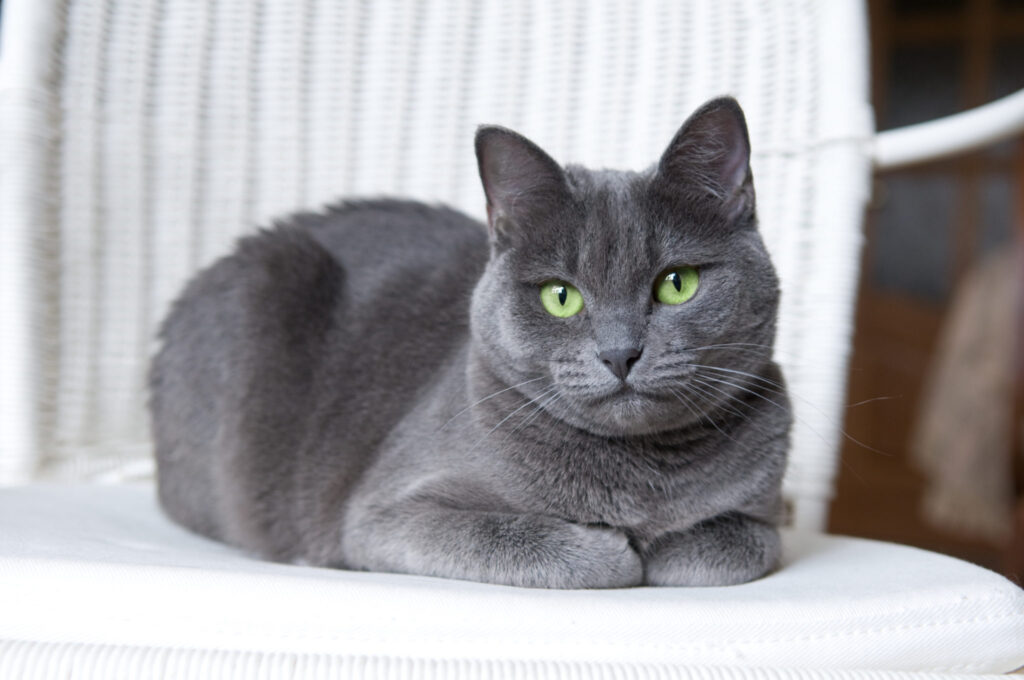
If you’re looking for a cat that exudes elegance, sophistication, and a touch of mystery, look no further than the Russian Blue. This stunning feline has been captivating hearts since its origins in Russia, where it was first bred as a companion animal. In this article, we’ll delve into the history, characteristics, and care requirements of the Russian Blue cat.
Origins
The origin of the Russian Blue is shrouded in mystery, but it’s believed to date back to the 19th century in Russia. According to legend, the breed was developed by crossing a white cat with a blue-grey cat to create a unique coat color and pattern. The resulting feline, known as the Russian Blue, quickly gained popularity among the aristocracy and eventually spread throughout Europe.
The exact circumstances surrounding the development of the Russian Blue are unclear, but it’s believed that the breed was created by crossing a white cat with a blue-grey cat to produce a distinctive coat color and pattern. This unique genetic combination resulted in the characteristic silver-blue coat of the Russian Blue, which is one of its most striking features.
History
The Russian Blue has been recognized as a distinct breed since 1912, when it was officially recognized by the Cat Fanciers’ Association (CFA). During World War I, the breed was nearly extinct due to a lack of breeding and limited availability. However, thanks to the efforts of dedicated breeders, the Russian Blue has made a remarkable comeback.
In the early 20th century, the Russian Blue was imported to England, where it quickly gained popularity among cat fanciers. The breed’s reputation as a loyal and affectionate companion helped it gain widespread acceptance, and by the mid-20th century, it had become one of the most popular breeds in the world.
Characteristics
So, what makes the Russian Blue such an enchanting feline? For starters, its coat is its crowning glory – short, smooth, and a beautiful shade of blue that seems to glow in the light. The eyes are a striking green, while the ears are large and rounded, adding to the breed’s endearing expression.
In terms of size, Russian Blues are medium-sized felines, with males weighing between 3.5-5 kg (7.7-11 lbs) and females weighing up to 4 kg (8.8 lbs). The body is sleek and muscular, with a narrow waist and a sturdy build.
One of the most distinctive characteristics of the Russian Blue is its thick coat, which requires regular grooming to prevent matting and tangling. The breed’s fur is short and smooth, making it easy to maintain, but it does require regular brushing to distribute skin oils and promote healthy hair growth.
Personality
Russian Blues are known for their affectionate and playful personalities. They are extremely loyal to their owners, forming strong bonds that can last a lifetime. These cats are also known for their intelligence, curiosity, and mischievous streak – they love to explore and investigate their surroundings.
One of the most distinctive characteristics of the Russian Blue is its vocal nature. While they don’t meow as much as some other breeds, they will let out a soft, melodious sound when they want attention or food. They are also known for their gentle purrs, which can be soothing to listen to and even therapeutic.
Health and Care
As with any breed of cat, Russian Blues require regular grooming to maintain their beautiful coat. A weekly brushing session is recommended to prevent matting and tangling, as well as to distribute skin oils and promote healthy hair growth.
Russian Blues are generally a hardy breed, but they can be prone to certain health issues, such as hypertrophic cardiomyopathy (a heart condition) and patellar luxation (kneecap dislocation). Regular veterinary check-ups and genetic testing can help identify potential problems early on.
In terms of diet, Russian Blues are opportunistic eaters and will enjoy a variety of foods. High-quality commercial cat food or a balanced homemade diet should be the norm, with occasional treats like cooked chicken or salmon.
Litter Training
Russian Blues are known for their intelligence and ability to learn quickly, making them relatively easy to litter train. However, consistency and patience are key – it may take some time for your cat to adjust to using the litter box.
To encourage successful litter training, make sure to:
- Provide a clean and spacious litter box
- Place litter in the box at night to help your cat associate the litter with its purpose
- Gradually transition your cat from a solid surface to a litter box
- Praise and reward your cat for using the litter box correctly
Conclusion
The Russian Blue is a true marvel of nature – a beautiful, intelligent, and affectionate feline that has captured hearts for generations. Whether you’re a seasoned cat owner or just starting your feline family, this stunning breed is sure to delight and enchant.
With its sleek coat, playful personality, and loving nature, the Russian Blue is the perfect companion for anyone looking for a loyal and loving friend.
Frequently Asked Questions
- What is the average lifespan of a Russian Blue cat?
Russian Blues can live up to 15-20 years with proper care and attention. - How much do Russian Blue cats weigh?
Males typically weigh between 3.5-5 kg (7.7-11 lbs), while females weigh up to 4 kg (8.8 lbs). - Are Russian Blues good for families with children?
Yes, Russian Blues are known for their patient and gentle nature, making them an excellent choice for families with kids. - Do Russian Blues get along with other pets?
Russian Blues can get along well with other cats and dogs if introduced properly, but they may require some time to adjust. - How often should I brush my Russian Blue cat’s coat?
A weekly brushing session is recommended to prevent matting and tangling, as well as to promote healthy hair growth.
Additional Resources
For more information on the Russian Blue breed or to find a reputable breeder, visit:
- The International Cat Association (TICA)
- The Cat Fanciers’ Association (CFA)
- Petfinder
Stay tuned for more articles and updates from our animal friends! Follow us on Twitter, Facebook, and Google+ for the latest news and insights.
Russian Blue Breeder Directory
If you’re interested in bringing a Russian Blue into your family, here’s a list of reputable breeders to consider:
- Whispering Woods Cat Farm
- Moonstone Felines
- Ravenwood Russian Blues
- Blue Moon Russian Blues
- Furry Friends Cat Breeder
Remember to do plenty of research and ask questions before choosing a breeder, and always prioritize the health and well-being of the cats in their care.
Russian Blue Care Tips
To keep your Russian Blue cat happy and healthy, here are some additional tips:
- Provide regular grooming: Regular brushing can help prevent matting and tangling, as well as distribute skin oils and promote healthy hair growth.
- Keep your home clean: Regular cleaning of your home can help reduce the risk of diseases and parasites.
- Offer a balanced diet: A high-quality commercial cat food or a balanced homemade diet should be the norm, with occasional treats like cooked chicken or salmon.
- Provide plenty of playtime: Russian Blues are playful and curious cats, so make sure to provide plenty of toys and scratching posts to keep them entertained.
By following these tips and caring for your Russian Blue cat properly, you can help ensure a long and happy life for this beautiful breed.


