
As we explore the world of materials science, it’s essential to understand how different processes can alter the properties of various substances. In this article, we’ll delve into the process of vulcanization, which has revolutionized the way we work with rubber.
What is Vulcanization?
Vulcanization is a chemical process that alters the molecular structure of rubber, making it more elastic and durable. It was invented by Charles Goodyear in the mid-19th century and has since become an essential step in the production of various rubber-based products, including tires, belts, and hoses.
The History of Vulcanization
The story of vulcanization begins with Charles Goodyear, an American inventor who experimented with heating and chemicals to modify rubber. In 1839, Goodyear discovered that by applying heat and sulfur to rubber, he could create a more durable and elastic material. This breakthrough led to the development of the first vulcanized rubber products, including tires.
The Vulcanization Process
During vulcanization, rubber is exposed to heat and chemicals, which cause it to undergo a chemical reaction. This process creates cross-links between the molecules of the rubber, resulting in a more rigid and elastic material.
The process involves several key steps:
- Heating: The rubber is heated to a high temperature, typically around 150°C.
- Chemical treatment: Chemicals such as sulfur or accelerants are added to the rubber, which react with the heat to create cross-links.
- Cooling: The rubber is cooled, allowing the cross-links to form and solidify.
The Role of Sulfur in Vulcanization
Sulfur is a critical component of the vulcanization process, as it plays a key role in creating cross-links between the molecules of the rubber. When sulfur is added to the rubber, it reacts with the heat to form disulfide bonds, which create strong covalent links between the molecules.
Vulcanization in Pneumatic Tires
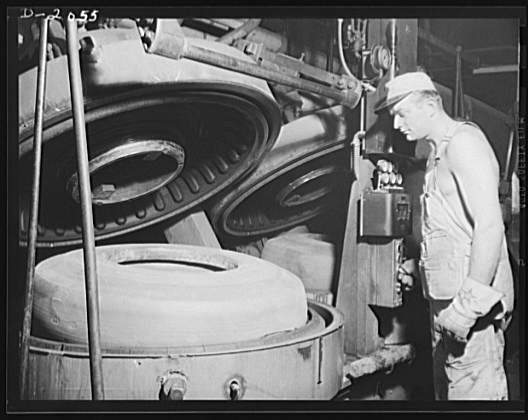
One of the most significant applications of vulcanization is in the production of pneumatic tires. During the vulcanization process, the tire is placed in a machine called a vulcanizer, which applies heat and pressure to the rubber. This causes the rubber molecules to bond together, creating a strong and durable material.
The duration of the vulcanization process can vary depending on the size and type of tire. For example, large truck tires may require up to 30 minutes of vulcanization, while smaller tires may only need 10-15 minutes.
Types of Additives Used in Vulcanization
In addition to sulfur, various additives are used in the vulcanization process to enhance the properties of the rubber. These include:
- Accelerants: Speed up the vulcanization process and reduce the amount of heat required.
- Ultraaccelerants: Increase the speed of the vulcanization process even further.
- Rinforzanti: Provide additional strength and resistance to abrasion, tearing, and puncture.
- Inibitori: Prevent unwanted chemical reactions that can damage the rubber.
Vulcanization in Other Applications
While tires are one of the most well-known applications of vulcanization, it’s also used in other products, such as:
- Calzature (shoes): Vulcanized rubber is used to create durable and resistant soles.
- Belts: Vulcanized rubber is used to create strong and flexible belts for industrial applications.
- Hoses: Vulcanized rubber is used to create durable and resistant hoses for various industries.
The Impact of Vulcanization on the Environment
The production and disposal of vulcanized rubber products can have environmental impacts, such as air pollution and waste generation. However, many manufacturers are now exploring sustainable alternatives to traditional vulcanization processes.
For example, some companies are using biobased additives or exploring alternative cross-linking agents that reduce the amount of sulfur required during the process. Additionally, there is a growing trend towards recycling and reusing vulcanized rubber products, which can help reduce waste and minimize environmental impacts.
Conclusion
In conclusion, vulcanization is a crucial process that has revolutionized the way we work with rubber. By understanding the principles of vulcanization, manufacturers can create stronger, more durable, and resistant materials for various applications.
As research and development continue to advance, it’s likely that new technologies will emerge that further enhance the properties of vulcanized rubber products. However, for now, vulcanization remains a vital process in the production of many essential products.
Frequently Asked Questions (FAQs)
- What is the main difference between vulcanization and other processes used to modify rubber?
Vulcanization is a chemical process that alters the molecular structure of rubber, making it more elastic and durable. Other processes, such as cross-linking or irradiation, may also be used to modify rubber, but they have different effects on its properties.
- How does vulcanization affect the properties of rubber?
Vulcanization increases the elasticity, durability, and resistance of rubber to abrasion, tearing, and puncture. It also reduces the amount of solvent required to process the rubber.
- What are some common applications of vulcanized rubber?
Vulcanized rubber is used in a wide range of products, including tires, belts, hoses, calzature (shoes), and industrial equipment.
- Can vulcanization be reversed?
No, vulcanization cannot be reversed once it has occurred. The cross-links created during the process are permanent, making it impossible to restore the original properties of the rubber.
- What is the impact of vulcanization on the environment?
The production and disposal of vulcanized rubber products can have environmental impacts, such as air pollution and waste generation. However, many manufacturers are now exploring sustainable alternatives to traditional vulcanization processes.
- How does vulcanization compare to other synthetic rubber production methods?
Vulcanization is a chemical process that modifies the molecular structure of rubber, making it more durable and resistant. Other synthetic rubber production methods, such as polyurethane or polyisoprene, may have different properties and applications.
- Can vulcanization be used to create new materials with specific properties?
Yes, vulcanization can be used to create new materials with specific properties by adjusting the amount of sulfur or other chemicals added during the process.
- What are some future trends in vulcanization technology?
Future trends in vulcanization technology include the development of more sustainable and environmentally friendly processes, such as using biobased additives or exploring alternative cross-linking agents.


