
As a dog enthusiast, it’s essential to understand the unique characteristics and needs of the Rottweiler breed. This powerful and intelligent canine has been a favorite among many for centuries, but its strong nature requires careful training and attention.
Physical Appearance
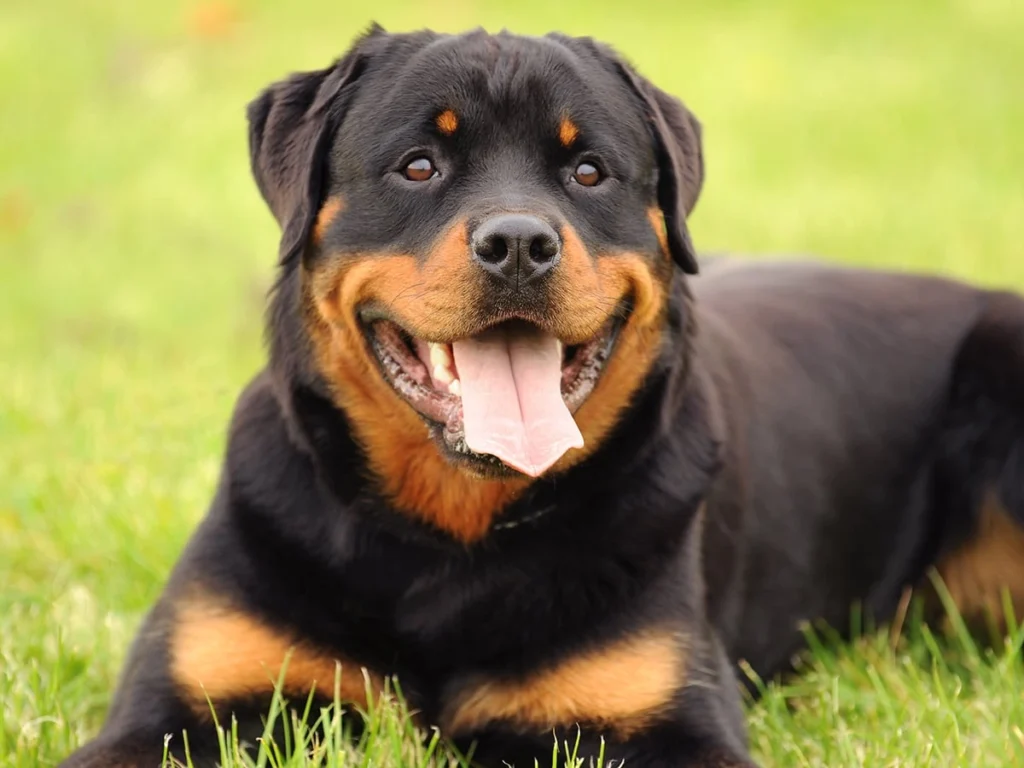
The Rottweiler is a compact, muscular dog with a distinctive appearance. Males typically stand between 60-70 cm at the shoulder, while females are slightly shorter. The breed’s coat is short, smooth, and often dark brown or black, with white markings on the chest, face, and paws.
The Rottweiler’s facial features are equally impressive, with a distinctive stop (the area where the muzzle meets the forehead), a well-defined nose, and almond-shaped eyes. The ears are triangular and hanging, while the tail is docked or naturally short.
Origin
The Rottweiler’s origins date back to the 19th century in Rottweil, Germany, where it was developed as a working dog for the local butcher trade. Initially bred as a cattle herder, the breed soon became associated with guarding and police work.
Throughout its history, the Rottweiler has earned a reputation for intelligence, loyalty, and strength, making it an invaluable asset to many families and workplaces.
Personality
The Rottweiler’s personality is often described as strong-willed and independent. This can make training challenging if not done correctly from an early age. However, with proper socialization and education, the breed can become a loving and loyal companion for active families.
One of the key characteristics of the Rottweiler is its protective nature, which can be both a blessing and a curse. While it makes them excellent watchdogs, this trait also means they require careful handling and supervision around children and other animals.
Training and Socialization
Given the Rottweiler’s strong personality, early socialization and training are crucial to developing good habits and preventing behavioral issues. Puppies should be introduced to various environments, people, and animals from an early age to help them become confident and calm in new situations.
Positive reinforcement techniques and clear boundaries are essential when training a Rottweiler. Consistency, patience, and reward-based training methods will help you develop a strong bond with your canine companion.
Health and Nutrition
The Rottweiler is generally a healthy breed, but like all breeds, it’s prone to certain health issues. Hip dysplasia, elbow dysplasia, heart problems, allergies, and skin conditions can affect the breed. Regular veterinary check-ups and proper nutrition can help prevent or manage these issues.
To maintain the Rottweiler’s impressive physique, regular exercise, balanced nutrition, and proper hydration are essential. A well-planned diet should include a mix of protein-rich foods, whole grains, and fruits and vegetables to ensure overall health and well-being.
Cost and Purchase
The cost of purchasing a Rottweiler can vary depending on factors such as pedigree, bloodlines, and breeder reputation. Without proper documentation, the price can range from €200 to €300. However, when you factor in the costs of veterinary care, training, and supplies, the total investment can be significantly higher.
As with any breed, it’s crucial to prioritize the Rottweiler’s welfare and well-being over financial considerations. Look for reputable breeders who emphasize health testing, socialization, and temperament evaluation.
Conclusion
The Rottweiler is a remarkable breed that offers companionship, loyalty, and protection. With proper training, socialization, and care, this powerful canine can thrive as a loving family pet or working dog. If you’re considering bringing a Rottweiler into your life, be prepared for the challenges and rewards of owning such a unique and demanding breed.
FAQs
-
What is the temperament of a Rottweiler?
The Rottweiler’s temperament can be strong-willed and independent, making training challenging if not done correctly from an early age. -
How much exercise does a Rottweiler need?
Rottweilers require regular exercise to maintain their physical health and mental well-being. Aim for at least 30 minutes of exercise per day, including walks, runs, and playtime. -
Are Rottweilers good with children?
Rottweilers can make excellent family pets if socialized properly from an early age. However, they require careful handling and supervision around young children to avoid potential conflicts. -
Can I train a Rottweiler myself?
Yes, but it’s essential to be patient, consistent, and positive when training your Rottweiler. Reward-based techniques and clear boundaries will help you develop a strong bond with your canine companion. -
What health issues are common in Rottweilers?
Hip dysplasia, elbow dysplasia, heart problems, allergies, and skin conditions can affect the breed. Regular veterinary check-ups and proper nutrition can help prevent or manage these issues. -
How much does a Rottweiler cost to purchase?
The cost of purchasing a Rottweiler can range from €200 to €300 without pedigree documentation. However, with proper documentation, prices can increase significantly due to the costs of veterinary care, training, and supplies. -
Can I adopt a Rottweiler from a shelter?
Yes, but it’s essential to research reputable shelters and consider factors such as age, health, and temperament before adopting a Rottweiler. -
What is the average lifespan of a Rottweiler?
The average lifespan of a Rottweiler is 8-11 years, depending on various factors such as diet, exercise, and overall health.
Additional Tips for Owning a Rottweiler
- Provide adequate space: Rottweilers need room to move around and exercise, so ensure you have enough space in your home and yard.
- Establish clear boundaries: Rottweilers respond well to clear boundaries and consistent training, so establish rules and guidelines early on.
- Socialize extensively: Socialization is crucial for Rottweilers, so expose your dog to various environments, people, and animals from an early age.
- Keep them mentally stimulated: Rottweilers are intelligent dogs that need mental stimulation, so provide puzzle toys, obedience training, and regular playtime.
- Show love and affection: Rottweilers thrive on attention and affection, so spend quality time with your dog and show them love and respect.
Rottweiler vs. Other Breeds
- Doberman Pinscher: Doberman Pinschers are often compared to Rottweilers due to their similar size and strength. However, they have a more athletic build and are generally more agile.
- German Shepherd: German Shepherds are highly intelligent dogs that excel in obedience training and work roles. While they share some similarities with Rottweilers, they are generally leaner and more energetic.
- Boxer: Boxers are playful and energetic dogs that make excellent family pets. However, they have a shorter lifespan than Rottweilers and require less intense exercise.
Rottweiler Grooming
- Brush regularly: Rottweilers have a short coat that requires regular brushing to remove dead hair and distribute skin oils.
- Bathe occasionally: Rottweilers don’t need frequent bathing, but they do require occasional baths to maintain their cleanliness and prevent skin irritations.
- Trim nails regularly: Rottweilers have thick, hard nails that require regular trimming to prevent overgrowth and cracking.
Rottweiler Health Issues
- Hip dysplasia: Hip dysplasia is a common issue in Rottweilers, which can lead to arthritis and mobility problems.
- Elbow dysplasia: Elbow dysplasia is another common health issue in Rottweilers, which can cause lameness and pain.
- Heart problems: Rottweilers are prone to heart problems, such as cardiomyopathy and arrhythmias, which require regular veterinary check-ups.
Rottweiler Training Tips
- Use positive reinforcement techniques: Reward-based training methods work best for Rottweilers, who respond well to praise and treats.
- Be patient and consistent: Training a Rottweiler requires patience, consistency, and clear boundaries.
- Avoid punishment or negative reinforcement: Punishment and negative reinforcement can damage the bond between you and your Rottweiler.
By understanding the unique characteristics, needs, and challenges associated with the Rottweiler breed, you’ll be better equipped to provide a happy and healthy home for your furry friend.


