
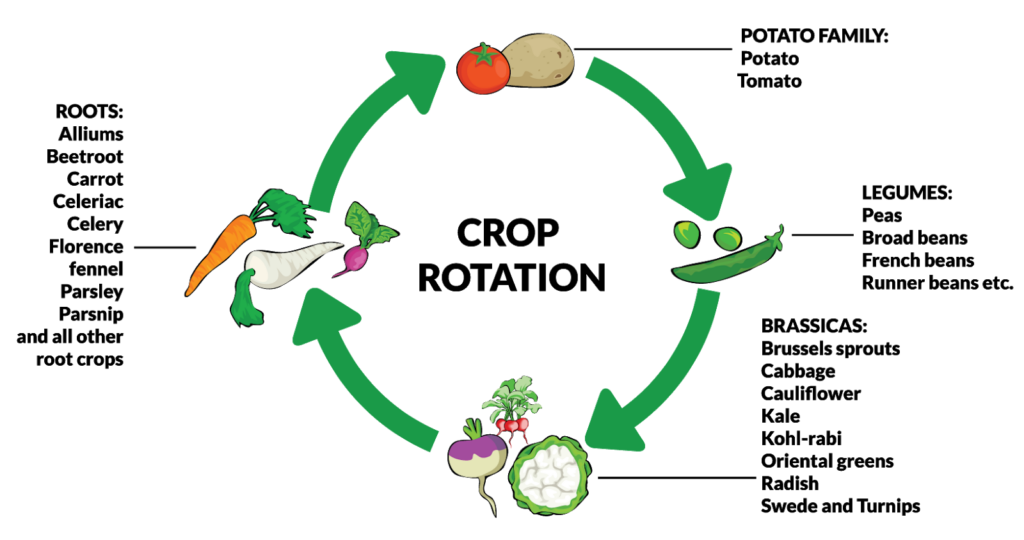
As gardeners, we’re constantly seeking ways to optimize our growing spaces while minimizing our environmental footprint. One ancient practice that’s gained popularity in recent years is crop rotation – the deliberate movement of crops from one plot of land to another to maintain soil fertility, prevent pests and diseases, and boost overall yields. In this article, we’ll delve into the world of crop rotation, exploring its history, benefits, and best practices for implementing this effective technique.
A Brief History of Crop Rotation
Crop rotation is an ancient practice that dates back to medieval times, when farmers first began experimenting with different crops to optimize their soil’s fertility. By rotating crops, these early farmers were able to avoid depleting the soil of its nutrients and reduce the risk of disease outbreaks. Today, crop rotation remains a vital practice for maintaining healthy soils and reducing environmental pollution.
Why Crop Rotation Matters
So why is crop rotation so essential? For one, it helps maintain fertile soil – a critical component for plant growth and development. When we plant the same type of crop repeatedly in the same plot of land, we exhaust its useful metabolites, leading to soil degradation and reduced yields. By rotating crops, we ensure that our soils remain rich and productive.
Crop rotation also plays a crucial role in preventing parasitic attacks – those pesky pests and diseases that can devastate entire crops. By mixing up the types of crops grown on each plot, we reduce the risk of disease transmission and create a more balanced ecosystem.
The Benefits of Crop Rotation
So what are some of the key benefits of crop rotation? Here are just a few:
- Maintains soil fertility
- Improves crop quality and yield
- Reduces weeds growth
- Reduces pesticide use because crops will be less susceptible to disease
- Reduces environmental pollution
How to Rotate Crops
Implementing crop rotation requires some planning and organization. Here are a few tips for getting started:
- Divide your garden or field into four quadrants, creating separate sections for legumes, high-demanding crops, medium-demanding crops, and low-demanding crops.
- Keep a record of the crops grown on each plot to ensure you’re rotating correctly.
- Don’t remove the roots of plants at the end of a crop rotation cycle – instead, dig everything up to enrich the soil with nitrogen.
Legume Rotation
Legumes are some of the most beneficial crops for soil health. By incorporating legumes into your rotation, you’ll enjoy improved fertility and reduced erosion. Here are some popular legumes to consider:
- Piselli (peas)
- Fagioli (beans)
- Fagiolini (green beans)
- Fave (broad beans)
- Ceci (chickpeas)
High-Demand Crops
These crops require a lot of nitrogen – which is why they shouldn’t be grown in the same plot for two consecutive years. Here are some popular high-demand crops:
- Pomodoro (tomatoes)
- Melanzane (eggplants)
- Patate (potatoes)
- Zucchino (zucchini)
- Zucca (acorn squash)
Medium-Demand Crops
Medium-demanding crops enjoy a moderately fertile soil and can follow legumes or precede low-demanding crops. Here are some popular medium-demanding crops:
- Aglio (garlic)
- Carota (carrots)
- Finocchio (fennel)
- Lattuga (lettuce)
Low-Demand Crops
These plants don’t require specific fertility and can thrive in a variety of conditions. Here are some popular low-demand crops:
- Prezzemolo (parsley)
- Spinaci (spinach)
- Bietole (bitter greens)
- Cipolle (onions)
Choosing the Right Crops for Your Rotation
When selecting crops for your rotation, it’s essential to consider factors such as climate, soil type, and crop family. Here are some tips for choosing the right crops:
- Consider the growth habits of each crop – avoid planting tall crops in small spaces.
- Choose crops that complement each other in terms of sunlight requirements and watering needs.
- Select crops that are resistant to pests and diseases.
Conclusion
Crop rotation is an ancient practice that’s gaining popularity among gardeners and farmers alike. By rotating crops, we can maintain fertile soils, prevent pests and diseases, and boost overall yields. Whether you’re a seasoned gardener or just starting out, incorporating crop rotation into your growing strategy will pay dividends for years to come.
Frequently Asked Questions
- What is the ideal length of a crop rotation cycle?
The ideal length of a crop rotation cycle varies depending on factors such as climate, soil type, and crop selection. As a general rule, aim for at least 3-4 years before starting again. - How do I determine which crops to plant in each quadrant?
Divide your garden or field into four quadrants – legumes, high-demanding crops, medium-demanding crops, and low-demanding crops. Then, research the specific needs of each crop family to ensure a balanced rotation. - Can I rotate crops with the same family together?
No, it’s best to avoid rotating crops within the same plant family for multiple years. This can lead to disease transmission and reduced yields.
Common Mistakes to Avoid in Crop Rotation
When implementing crop rotation, there are several common mistakes that can hinder your progress. Here are a few to watch out for:
- Planting the same crop repeatedly
Avoid planting the same crop in the same spot year after year – this can lead to soil degradation and reduced yields. - Not rotating crops across different quadrants
Don’t confine your rotations to just one or two quadrants – ensure you’re incorporating a diverse range of crops into each section. - Ignoring crop family associations
Be mindful of the specific needs of each crop family, as some plants can be sensitive to disease and pests.
Crop Rotation Strategies for Small Gardens
Even small gardens can benefit from crop rotation. Here are a few strategies to try:
- Container garden rotation
Rotate your container crops seasonally to maintain soil health and prevent pest buildup. - Vertical garden rotation
Use vertical gardening techniques to create a diverse range of crops, while minimizing space usage. - Microgreens rotation
Incorporate microgreens into your rotations for improved nutrient uptake and flavor.
Crop Rotation Strategies for Large Gardens
For larger gardens or farms, crop rotation can be an essential tool for maintaining soil health and reducing pest buildup. Here are a few strategies to try:
- Grid-based rotation
Divide your garden into a grid system, using different crops in each quadrant to maintain soil diversity. - Strip cropping rotation
Alternate between different crops in long strips, allowing for improved soil fertility and reduced erosion. - Cover crop rotation
Incorporate cover crops into your rotations to improve soil health, reduce erosion, and support beneficial insects.
By incorporating crop rotation into your growing strategy, you’ll be well on your way to maintaining fertile soils, preventing pests and diseases, and boosting overall yields. Whether you’re a seasoned gardener or just starting out, the benefits of crop rotation are undeniable.


