
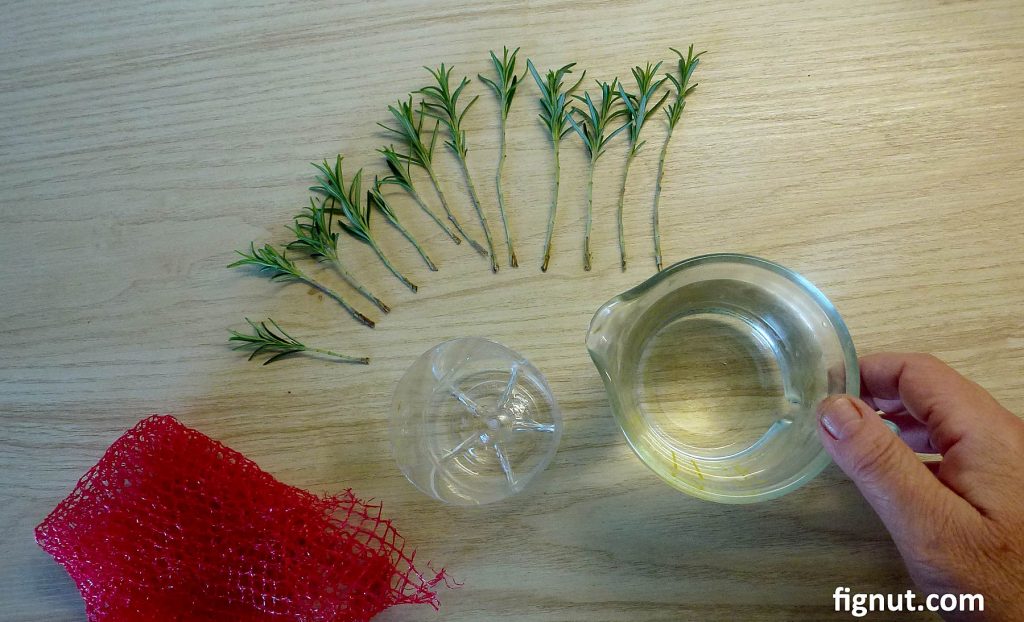
As any gardener knows, growing rosemary can be a challenge. But what if we told you there’s a simple way to multiply your rosemary plant without needing to purchase more? Enter the world of water cuttings, also known as “water rooting” or “hydroponic propagation.” In this article, we’ll explore how to take cuttings from your rosemary plant and grow new plants in water.
What is Water Cuttings?
Water cuttings are a method of propagating plants by placing a cutting (a section of stem) in water. This allows the plant to develop roots without soil, making it easier to propagate. Rosemary is one of the easiest plants to take cuttings from, and with the right techniques, you can multiply your rosemary plant like never before.
When Should I Take Cuttings?
The best time to take cuttings from your rosemary plant is in the spring. This is when the plant is most active, and it’s easier to propagate. You’ll also want to wait until the weather starts to warm up, as this will help the cutting develop roots faster.
How to Take Cuttings from Rosemary
Taking cuttings from rosemary is a simple process that requires just a few tools:
- A sharp, clean knife or pruning shears
- A vase or container with water
- A sunny windowsill
Here’s how it works:
- Choose a healthy stem section from your rosemary plant. Look for stems that are around 12-18 inches long and have at least two sets of leaves.
- Cut the stem section from the parent plant using a sharp, clean knife or pruning shears. Make sure the cut is just above a node (where a leaf meets the stem).
- Remove any lower leaves that will be below the waterline to prevent bacterial growth.
- Place the cutting in a vase or container filled with fresh water.
- Place the vase on a sunny windowsill, but not directly in sunlight.
What Happens Next?
After you’ve placed your cutting in water, several things will happen:
- Within 2-3 weeks, roots will start to develop from the node where the cutting was taken.
- The plant will start to produce new leaves and grow.
- Once the roots are established (usually after 4-6 weeks), you can transfer your rosemary plant to soil.
Tips for Success
To increase your chances of success with water cuttings, follow these tips:
- Use fresh water that’s free from contaminants.
- Keep the water level topped up as it evaporates.
- Provide a sunny windowsill but avoid direct sunlight.
- Monitor your cutting regularly to ensure it’s developing roots.
Growing Rosemary in Soil
Once you’ve established new plants from cuttings, you can transfer them to soil. Here are some tips for growing rosemary in soil:
- Choose a well-draining potting mix specifically designed for herbs.
- Plant the rosemary plant at the same depth as it was previously grown in water.
- Water thoroughly after planting and keep the soil consistently moist.
Tips for Growing Rosemary Plants in Soil
When growing rosemary plants in soil, here are some additional tips to help them thrive:
- Rosemary prefers full sun, but it can tolerate partial shade. Choose a location that receives at least 4-6 hours of direct sunlight per day.
- Water your rosemary plant regularly, but avoid overwatering. The soil should be moist but not soggy.
- Fertilize your rosemary plant during the growing season (spring-fall) with a balanced fertilizer to promote healthy growth.
- Prune your rosemary plant regularly to encourage bushy growth and prevent it from becoming leggy.
Common Problems when Growing Rosemary in Soil
While growing rosemary in soil is relatively easy, there are some common problems that can occur. Here are some tips for troubleshooting these issues:
- Pests: Check your rosemary plant regularly for signs of pests like spider mites, mealybugs, and aphids. Use neem oil or insecticidal soap to treat infestations.
- Disease: Inspect your rosemary plant regularly for signs of disease like powdery mildew, root rot, or leaf spot. Treat fungal diseases with a fungicide and bacterial diseases with a bactericide.
Using Rosemary in Cooking
Rosemary is an incredibly versatile herb, and it can be used in a variety of dishes. Here are some ideas to get you started:
- Add fresh rosemary leaves to soups, stews, and braises for added flavor.
- Use dried rosemary to season roasted meats, vegetables, and potatoes.
- Make a fragrant herb butter by mixing softened butter with minced rosemary and garlic. Spread on bread or use as a finishing touch for steaks.
Conclusion
Taking cuttings from your rosemary plant is a simple way to multiply your herb garden without needing to purchase more. By following the steps outlined in this article, you can grow new plants in water and transfer them to soil for further growth. With a little patience and care, you’ll be enjoying fresh rosemary leaves and stems in no time.
Frequently Asked Questions
Q: What type of potting mix should I use for my water-grown rosemary?
A: Use a well-draining potting mix specifically designed for herbs.
Q: How often should I change the water in my vase?
A: Change the water every 1-2 weeks to prevent bacterial growth.
Q: Can I take cuttings from older plants?
A: Yes, but it may be more challenging. Choose healthy stems with at least two sets of leaves.
Q: What are some common mistakes when taking cuttings from rosemary?
A: Make sure the cutting is taken above a node (where a leaf meets the stem), and avoid over-handling or drying out the cutting.
Q: Can I use tap water for my cutting propagation method?
A: No, it’s best to use fresh, filtered water that’s free from contaminants.


