
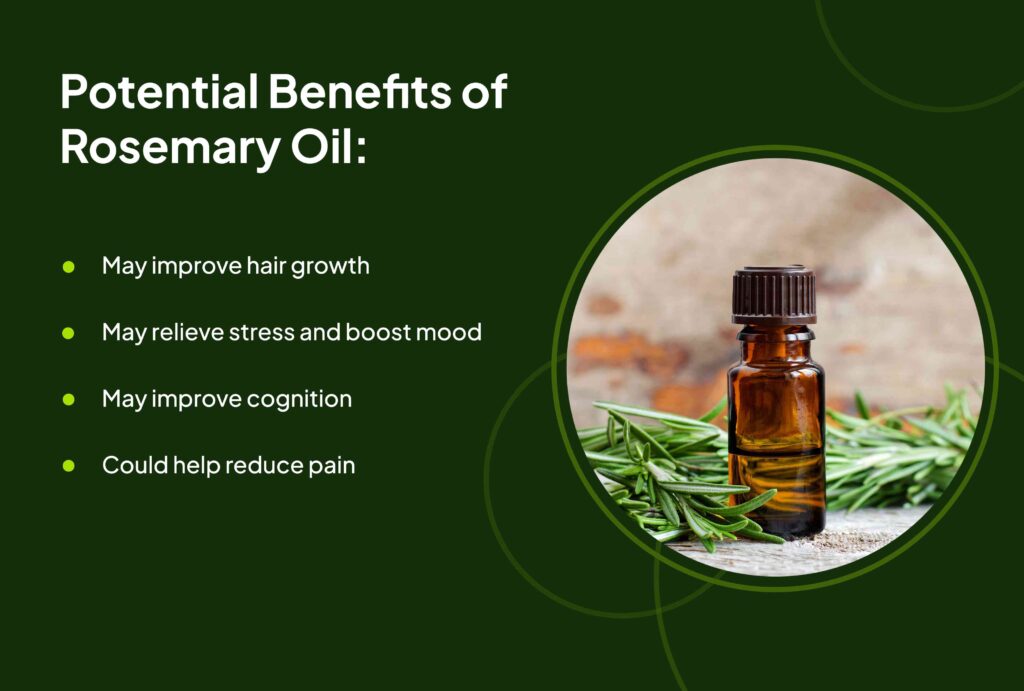
As we explore the vast world of herbs, one plant stands out for its impressive list of benefits – rosemary. This ancient herb has been a cornerstone of traditional medicine for centuries, with its uses extending far beyond cooking and flavor enhancement. In this article, we will delve into the fascinating realm of rosemary’s cosmetical and therapeutic properties, exploring its effects on skin, hair, digestive system, and overall well-being.
What is Rosemary?
Rosemary (Rosmarinus officinalis) is an evergreen shrub belonging to the Lamiaceae family. Its name originates from Latin words “ros” meaning “dew” and “maris” meaning “of the sea.” This versatile herb has been a staple in Mediterranean cuisine for centuries, prized for its piney flavor and numerous health benefits.
Nutritional Properties of Rosemary
Rosemary is a nutritional powerhouse, boasting an impressive array of essential vitamins and minerals. A 100g serving provides:
- Calories: 335 kcal
- Carbohydrates: 64.06g (42.6g fiber)
- Fat: 15.22g
- Protein: 4.88g
- Micronutrients:
- Vitamin C: 61.2mg
- Vitamin B6: 1.740mg
- Folate: 1.00mg
- Calcium: 1280mg
- Iron: 29.25mg
Cooking with Rosemary
The aromatic properties of rosemary make it an ideal addition to various dishes, from soups and stews to salads and roasted meats. Here are a few examples:
- Tagliata al rosmarino: A traditional Italian dish featuring marinated beef cooked in a rosemary-infused sauce.
- Risotto al rosmarino: A creamy risotto infused with the subtle flavor of rosemary, perfect for special occasions.
- Polenta fritta al rosmarino: Crispy fried polenta topped with a rosemary-spiced batter, ideal as a snack or appetizer.
The Healing Properties of Rosemary
Rosemary’s impressive list of benefits can be attributed to its high concentration of bioactive compounds. These include:
- Acid rosmarinico: A compound responsible for the herb’s antiseptic and anti-inflammatory properties.
- Canfora: A terpene with antibacterial and antifungal effects.
- Caffeic acid: A phenolic compound with antioxidant properties.
Rosemary has been traditionally used to:
- Aid digestion and relieve flatulence
- Relieve stress and anxiety
- Enhance cognitive function and memory
- Support bone health
Using Rosemary for Skin Care
Rosemary essential oil is a popular natural remedy for skin care, prized for its ability to:
- Reduce inflammation: Rosemary’s anti-inflammatory properties help soothe irritated skin, reducing redness and swelling.
- Improve circulation: Regular use of rosemary oil can enhance blood flow to the skin, leading to healthier-looking complexions.
- Fight acne: The herb’s antibacterial properties make it a suitable natural remedy for acne-prone skin.
Using Rosemary for Hair Care
Rosemary essential oil is a popular natural remedy for hair care, prized for its ability to:
- Stimulate hair growth: The herb’s stimulating properties help increase blood flow to the scalp, promoting healthy hair growth.
- Reduce dandruff and itchiness: Rosemary’s antifungal and antibacterial properties soothe an irritated scalp, reducing flaking and itchiness.
- Improve circulation: Regular use of rosemary oil can enhance scalp circulation, leading to healthier-looking hair.
Using Rosemary for Digestive Health
Rosemary has been traditionally used to aid digestion and relieve flatulence. The herb’s bioactive compounds help:
- Relax the digestive tract: Rosemary’s antispasmodic properties ease muscle contractions in the digestive tract, reducing discomfort and bloating.
- Improve nutrient absorption: The herb’s antioxidant properties enhance the body’s ability to absorb nutrients from food.
Safety Precautions
While rosemary is generally considered safe for consumption and external use, there are a few precautions to keep in mind:
- Use high-quality, pure essential oils diluted with a carrier oil.
- Avoid using undiluted essential oils on the skin or scalp.
- Consult a healthcare professional before consuming large quantities of rosemary tea.
Conclusion
Rosemary is an extraordinary herb that offers a wealth of benefits for our overall well-being. From its impressive nutritional profile to its therapeutic properties, this versatile plant has something to offer everyone. By incorporating rosemary into your diet and skincare routine, you can unlock its full potential and enjoy the many rewards it has to offer.
Frequently Asked Questions
- Q: Can I use fresh rosemary leaves as a substitute for dried ones?
A: No, fresh rosemary leaves have a shorter shelf life than dried ones and are more prone to spoilage. - Q: How often should I drink rosemary tea?
A: Start with small amounts (1-2 cups per day) and adjust according to your tolerance. Consult a healthcare professional if you experience any adverse effects. - Q: Can I use rosemary essential oil for skin care?
A: Yes, but always dilute it with a carrier oil and follow proper usage guidelines to avoid irritation or allergic reactions. - Q: Is rosemary safe for pregnant women?
A: Consult a healthcare professional before consuming rosemary tea or using its essential oil during pregnancy, as high doses may stimulate uterine contractions. - Q: Can I use rosemary for hair loss treatment?
A: Rosemary essential oil has been shown to promote hair growth and reduce dandruff, but individual results may vary. Consult a dermatologist before trying any new treatments. - Q: How do I store fresh rosemary leaves?
A: Store them in an airtight container or plastic bag in the refrigerator to preserve their flavor and aroma. - Q: Can I use rosemary for wound healing?
A: Rosemary’s antiseptic properties make it a suitable natural remedy for minor wounds, but consult a healthcare professional before using it as a treatment option. - Q: Is rosemary safe for pets?
A: While rosemary is generally considered safe for humans, its toxicity to animals has not been extensively studied. Consult with a veterinarian before using rosemary products around your pets.
Tips and Tricks
- To enhance the flavor of your dishes, add fresh or dried rosemary leaves towards the end of cooking.
- Use rosemary essential oil in moderation when applying it to the skin or scalp, as its potency can be overwhelming.
- Combine rosemary with other herbs like thyme, oregano, and sage for a potent natural remedy for digestive issues.
- Experiment with different types of rosemary, such as ‘Tuscan Blue’ and ‘Arp’, to find your preferred flavor and aroma.
Conclusion
In conclusion, rosemary is an extraordinary herb that offers a wealth of benefits for our overall well-being. By incorporating rosemary into your diet and skincare routine, you can unlock its full potential and enjoy the many rewards it has to offer. Whether you’re looking to improve digestion, stimulate hair growth, or reduce inflammation, rosemary is a versatile plant with something to offer everyone.


