
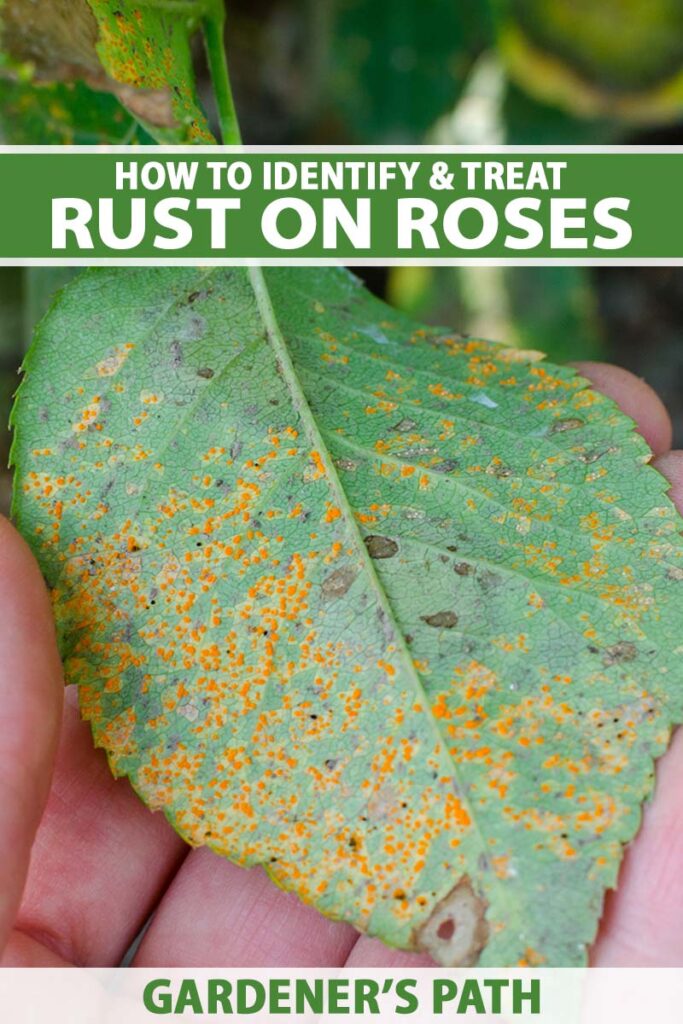
Rose rust is a fungal infection that affects numerous plants, including ornamental and non-ornamental species. It leads to the formation of brown-red spots on leaves, which can eventually turn powdery over time. This article will provide you with information on how to identify plants affected by rose rust, common remedies, products for elimination, and prevention methods.
Understanding Rose Rust
Rose rust is a widespread fungal infection that affects various plant species. The symptoms of rose rust include small brown-red spots on leaves that eventually turn powdery over time. Affected areas can change shape over time, potentially causing leaves to become misshapen or deformed. Understanding the causes and effects of rose rust will help you take steps to prevent its spread.
Identifying Black Spots on Rose Leaves
If the spots you notice on your rose leaves are not brown-red but instead black, it’s unlikely to be rose rust. In this case, consult our article “Black Spots on Rose Leaves” for more information.
What to Do If Your Roses Are Infected with Rose Rust
The primary issue with rose rust is that it is a widespread problem, especially during the spring season. As such, if your roses are infected, it’s likely they will be affected again in the next year. To prevent this from happening, apply a preventative treatment every spring for at least two years straight. One way to do this is by applying products containing copper.
Copper-based treatments have been widely used to control rose rust and other fungal diseases. Copper is toxic to many fungi and can help prevent their growth. However, it’s essential to note that using too much copper or using it in combination with other chemicals can harm plants and soil microorganisms.
Natural Remedies for Rose Rust
One natural remedy that has proven effective against fungal infections such as rose rust is equisetum tea. It not only fights the disease but also fortifies the plant, making it more resistant to future infections. To prepare the treatment, boil 30 grams of dried equisetum in one liter of water.
Other natural remedies for rose rust include using neem oil, garlic spray, and bicarbonate solutions. These methods can be used as a standalone treatment or in combination with copper-based treatments.
Products Against Rose Rust
There are several products available to help combat rose rust, including natural remedies and commercial fungicides. When selecting a product, make sure it won’t harm beneficial insects like bees or butterflies. Products containing copper can be effective in preventing future infections of the disease.
When choosing a pesticide against rose rust, look for one that is specifically designed to target fungal diseases without harming other plants or animals. Some popular products include:
- Baymat by Bayer: This product is particularly effective against rose rust and does not harm beneficial insects like bees or butterflies.
- Neem oil-based fungicides: These products are derived from the seeds of the neem tree and have been shown to be effective against a wide range of fungal diseases, including rose rust.
Preventing Future Infestations
One method to prevent further infestation by this fungus is by drying the infected leaves until they fall off naturally. This can help prevent the fungus from spreading to other parts of your garden.
In order to avoid future infestations, consider decontaminating all susceptible plants in your garden as well. This involves removing any infected leaves and thoroughly washing the remaining foliage with water or a mild detergent.
Preventing Black Spots on Rose Leaves
Another fungal disease that affects rose plants is black spots or powdery mildew. To find more information about treating this condition and viewing images of affected leaves, please refer to our article “Black Spots on Rose Leaves.”
If you have any further questions or concerns regarding your garden, feel free to ask.
Here are 8 FAQs for you:
- Can rose rust spread quickly between plants in the same garden?
Yes, it can. It is advisable to decontaminate all susceptible plants in your garden if one of them has contracted rose rust.
- How do I know if my roses have been infected with rose rust?
Check for small brown-red spots on leaves and see if any areas of affected leaves become powdery over time.
- Is it easy to get rid of rose rust from my plants?
No, it can be challenging. Using a product containing copper may help prevent future infestations but may not eliminate the disease entirely.
- What are some common signs that indicate your roses are infected with rose rust?
Check for small brown-red spots on leaves and see if any areas of affected leaves become powdery over time.
- Can rose rust be spread by bees or butterflies?
No, it cannot. Bees and butterflies are not harmed by products used to treat rose rust.
- What can I do if my roses have black spots instead of brown-red spots?
Consult our article “Black Spots on Rose Leaves” for more information about treating this condition.
- How often should I apply a preventative treatment against rose rust?
Apply copper-based treatments every spring, but it is recommended to repeat them every year for at least two years straight to prevent further infestation by the disease.
- Are there any natural remedies that can be used to fight rose rust?
Yes, one natural remedy that has proven effective against fungal infections such as rose rust is equisetum tea.


