
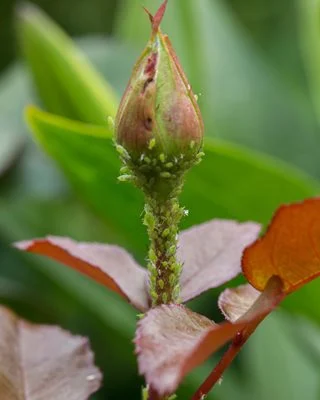
Aphids are small, soft-bodied insects that feed on the sap of plants, including roses. These pests can cause significant damage to rose plants, leading to reduced growth, yellowing leaves, and a decrease in flower production. In this article, we will discuss the characteristics of aphids, how to identify them, and provide strategies for managing and controlling these pests.
Identifying Aphids on Roses
Aphids are typically found on the underside of rose leaves or on the stems and buds of the plant. They can be green, yellow, black, or white in color and range in size from 1-3 millimeters in length. When an aphid is disturbed, it will release a sticky substance called honeydew, which can attract ants and other insects.
Characteristics and Symptoms of Aphid Infestation
Aphids can cause a number of symptoms on rose plants, including:
- Curled or distorted leaves
- Stunted growth
- Presence of honeydew on the undersides of leaves
- Presence of white, cottony patches on the stems and leaves (known as “sooty”)
- Presence of ants on the plant
Lifestyle and Behavior
Aphids are social insects that live in colonies. They feed on the sap of plants using their piercing-sucking mouthparts. As they feed, they secrete honeydew, which can attract other insects.
Natural Methods for Controlling Aphids
There are a number of natural methods for controlling aphids on rose plants, including:
- Encourage Natural Predators: Ladybugs, lacewings, and parasitic wasps are all natural predators of aphids. Encouraging these beneficial insects into your garden can help control aphid populations.
- Use Neem Oil: Neem oil is a natural insecticide that can be used to control aphids. Mix neem oil with water and spray it on the affected plants.
- Spray Soap Solution: A soap solution can also be used to control aphids. Mix 1 tablespoon of mild dish soap with 1 quart of water and spray it on the affected plants.
Chemical Methods for Controlling Aphids
While chemical methods are often the most effective way to control aphids, they should be used as a last resort due to their potential impact on beneficial insects and the environment. Some common chemicals used to control aphids include:
- Insecticidal Soap: Insecticidal soap is a mild detergent that can be used to control aphids. Mix 1 tablespoon of insecticidal soap with 1 quart of water and spray it on the affected plants.
- Neem Oil: Neem oil is a natural insecticide that can be used to control aphids. Mix neem oil with water and spray it on the affected plants.
Biological Control Methods
Biological control methods involve using living organisms to control aphid populations. Some examples of biological control methods include:
- Encourage Natural Predators: Ladybugs, lacewings, and parasitic wasps are all natural predators of aphids. Encouraging these beneficial insects into your garden can help control aphid populations.
- Use Beneficial Nematodes: Beneficial nematodes are microscopic worms that attack and kill aphid eggs and larvae. Apply beneficial nematodes to the soil around your rose plants.
Cultural Control Methods
Cultural control methods involve modifying the environment to make it less conducive to aphid infestations. Some examples of cultural control methods include:
- Rotate Crops: Rotate crops to break the life cycle of aphids.
- Remove Infested Plants: Remove any plants that are heavily infested with aphids.
- Use Row Covers: Use row covers to prevent aphids from reaching your rose plants.
Prevention
Preventing aphid infestations on rose plants requires a combination of good gardening practices and regular monitoring. Here are some tips for preventing aphid infestations:
- Rotate Crops: Rotate crops to break the life cycle of aphids.
- Remove Infested Plants: Remove any plants that are heavily infested with aphids.
- Use Row Covers: Use row covers to prevent aphids from reaching your rose plants.
- Monitor Your Plants Regularly: Monitor your plants regularly for signs of aphid infestation, such as curled or distorted leaves, stunted growth, and the presence of honeydew on the undersides of leaves.
Conclusion
Aphids can be a significant problem for rose gardeners, but they can be controlled using natural and chemical methods. By understanding the characteristics of aphids, how to identify them, and providing strategies for managing and controlling these pests, you can enjoy healthy and thriving rose plants.
Frequently Asked Questions (FAQs)
-
What is an aphid?
Aphids are small, soft-bodied insects that feed on the sap of plants.
2. How do I identify aphids on my roses?Look for curled or distorted leaves, stunted growth, and the presence of honeydew on the undersides of leaves.
3. What is the best way to control aphids on my roses?There are a number of natural methods that can be used to control aphids, including encouraging natural predators, using neem oil, and spraying soap solution.
4. Can I use chemical methods to control aphids?While chemical methods are often the most effective way to control aphids, they should be used as a last resort due to their potential impact on beneficial insects and the environment.
5. How can I prevent aphid infestations on my roses?To prevent aphid infestations, rotate crops, remove any plants that are heavily infested with aphids, and use row covers.
Additional Tips for Managing Aphids on Roses
- Use a Horticultural Oil: A horticultural oil can be used to control aphids. Mix 2 tablespoons of horticultural oil with 1 quart of water and spray it on the affected plants.
- Use Diatomaceous Earth: Diatomaceous earth is a natural substance that can be used to control aphids. Sprinkle diatomaceous earth around the base of your rose plants to prevent aphid infestations.
By following these tips, you can enjoy healthy and thriving rose plants while minimizing the impact of aphid infestations on your garden.



