
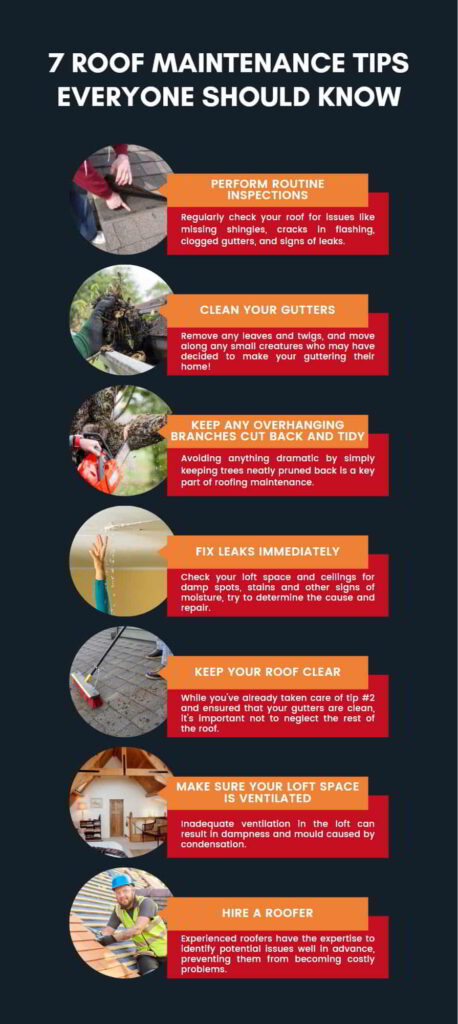
As a homeowner or property owner, investing time and money into maintaining your roof is essential to preventing costly repairs, energy inefficiency, and other potential issues. In this article, we’ll delve into the world of roof maintenance, exploring what constitutes ordinary and extraordinary repairs, as well as discussing the tax benefits associated with both types of repairs.
Understanding Roof Maintenance
Roof maintenance is a critical aspect of home upkeep that can significantly impact your property’s value, energy efficiency, and overall safety. A well-maintained roof not only looks great but also protects your home from water damage, wind-driven debris, and other external factors.
Regular roof inspections help identify potential issues before they become major problems, allowing you to address them promptly and effectively. This proactive approach can save you money in the long run by preventing costly repairs, reducing energy consumption, and ensuring your safety.
Ordinary vs. Extraordinary Repairs: A Closer Look
When it comes to roof maintenance, there are two main categories of repairs: ordinary and extraordinary. Ordinary repairs refer to routine maintenance tasks that help prevent more extensive damage from occurring in the future.
These repairs can include:
- Inspecting and cleaning gutters and downspouts
- Replacing worn-out roof flashing
- Trimming tree branches and debris around the roof
- Re-sealing gaps and cracks in the roof
On the other hand, extraordinary repairs are more invasive and costly. These repairs typically involve replacing significant portions of the roof or addressing underlying structural issues.
Tax Benefits for Roof Maintenance
The good news is that both ordinary and extraordinary repairs can be tax-deductible. In fact, the Italian government offers various incentives to encourage homeowners to invest in their roofs.
For instance:
- Up to 50% of the cost of a roof replacement can be deducted from your taxes
- Up to 65% of the cost of a major renovation project can be deducted, including energy-efficient upgrades
Signs of Wear and Tear: What to Look Out For
To determine whether you need ordinary or extraordinary repairs, keep an eye out for these common signs:
- Cracked or damaged shingles
- Missing or loose flashing
- Water stains or leaks on the ceiling
- Sagging or uneven roof lines
- Rusty or corroded metal components
Practical Tips for Roof Maintenance
To ensure your roof remains in top condition, follow these simple tips:
- Regularly inspect your roof for damage and wear
- Clean gutters and downspouts at least twice a year
- Trim tree branches and debris around the roof
- Re-seal gaps and cracks in the roof annually
- Consider hiring a professional roofer for complex repairs or maintenance tasks
Conclusion
Maintaining your roof is essential to preventing costly repairs, energy inefficiency, and other potential issues. By understanding the difference between ordinary and extraordinary repairs, you can make informed decisions about your roof’s upkeep.
By following these practical tips, staying informed about tax benefits, and understanding the signs of wear and tear, you’ll be well-equipped to maintain your roof and ensure it remains in top condition for years to come.
Frequently Asked Questions
Q: Can I DIY my roof maintenance?
A: While it’s tempting to take on the task yourself, we recommend hiring a professional roofer for complex repairs or maintenance tasks. They have the expertise and equipment necessary to ensure your roof is done safely and correctly.
Q: How often should I inspect my roof?
A: It’s essential to inspect your roof at least twice a year, preferably during spring and fall. This will help you catch any potential issues before they become major problems.
Q: What’s the difference between ordinary and extraordinary repairs?
A: Ordinary repairs refer to routine maintenance tasks that help prevent more extensive damage from occurring in the future. Extraordinary repairs are more invasive and costly, typically involving replacing significant portions of the roof or addressing underlying structural issues.
Q: Can I deduct my roof repair costs on my taxes?
A: Yes, both ordinary and extraordinary repairs can be tax-deductible. The Italian government offers various incentives to encourage homeowners to invest in their roofs.
Q: What should I look for when hiring a roofer?
A: When selecting a roofer, make sure they have the necessary experience, licenses, and insurance coverage. Ask for references, check online reviews, and ensure they use high-quality materials and follow industry standards.
Q: How do I know if my roof is in need of replacement?
A: If you notice significant damage, sagging or uneven roof lines, water stains or leaks on the ceiling, or rusted metal components, it may be time to consider replacing your roof. Consult a professional roofer for an expert assessment.
Q: Can I install solar panels on my existing roof?
A: Yes, but it’s essential to consult with a professional roofer and assess your roof’s condition before proceeding. They can help determine the best installation method and ensure your new system is integrated safely and efficiently.
Q: How often should I clean my gutters and downspouts?
A: Clean your gutters at least twice a year, ideally during spring and fall. This will help prevent clogs, water damage, and other potential issues that can arise from dirty gutters.
Q: Can I use caulk to seal gaps in my roof?
A: While caulk can be used for some sealing tasks, it’s not always the best solution for roof gaps. For more extensive repairs, consider hiring a professional roofer who can assess and address your specific needs.
By staying informed about these topics and following practical tips, you’ll be well-equipped to maintain your roof and ensure it remains in top condition for years to come.


