
In today’s world, we’re hearing a lot about Smart Grids in Italy, where the metropolitan area of Rome is making progress thanks to an agreement between Acea and NEC Italia. The agreement involves installing two energy storage systems in primary and secondary cabinets. These systems will be fueled by lithium ions and are key components of Acea’s Smart Grid project in Rome.
The two devices have a capacity of 180 kW/100 kWh and 100 kW/50 kWh, respectively. They were provided by NEC and will become operational by the next September. The functions that energy storage systems must fulfill in the Smart Grid of the metropolitan area of Rome are primarily three:
- Energy Leveling and Stabilization: These devices will help regulate energy values on the grid with smart management support.
- Integration of Renewable Energy Sources
- Backup Power Supply to protect connected loads in case of disruptions to the electricity supply.
The 180 kW/100 kWh accumulator operates as a backup power source, protecting loads connected to low-voltage lines for three minutes from potential interruptions. The second device will ensure the stabilization of energy produced with an on-site photovoltaic system connected to medium-voltage transmission.
“A notable step forward in designing Smart Grids, especially in a city like Rome that has a particularly complex and challenging electrical grid,” comments Marco Staderini, CEO of Acea. “Our company is committed to maintaining high standards for services provided to users. For this reason, we work with top-tier partners such as NEC, who provide cutting-edge technology solutions and reliable applications of ICT.”
What is Smart Grid Technology?
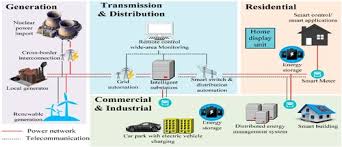
Smart Grids are a network infrastructure that enables the efficient transmission, distribution, and management of electricity in real-time. They use advanced technologies like sensors, smart meters, and energy storage systems to monitor and control energy flow, ensuring a stable and efficient supply.
In Rome, Acea’s Smart Grid project aims to modernize its electrical grid by integrating renewable energy sources, improving energy efficiency, and providing backup power during outages. This innovative approach will benefit both residents and businesses in the metropolitan area.
How Does Energy Storage Work?
Energy storage systems use various technologies like batteries, pumped hydroelectricity, or compressed air to store excess energy generated from renewable sources. This stored energy can be released when demand is high, reducing strain on the grid and improving overall efficiency.
In Rome’s Smart Grid project, lithium-ion batteries will power two devices: one 180 kW/100 kWh accumulator and a second 100 kW/50 kWh system. These systems will work together to stabilize energy levels, integrate renewable energy sources, and provide backup power during outages.
Benefits of Smart Grids
Smart Grids offer numerous benefits for both individuals and businesses:
- Improved Energy Efficiency: By regulating energy consumption in real-time, Smart Grids can reduce energy waste and lower costs.
- Increased Renewable Energy Integration: Smart Grids enable the efficient integration of renewable energy sources like solar and wind power into the grid.
- Enhanced Energy Security: Backup power systems ensure continuous electricity supply during outages or disruptions to the main grid.
Conclusion
Rome’s Smart Grid project is a significant step towards modernizing its electrical infrastructure. By integrating advanced technologies like energy storage, smart meters, and renewable energy sources, Acea aims to create a more efficient, reliable, and sustainable energy system for the metropolitan area. As technology continues to evolve, we can expect even more innovative solutions to emerge, transforming the way we live and work.
Frequently Asked Questions
- What is Smart Grid Technology?
- Smart Grids are a network infrastructure that enables efficient transmission, distribution, and management of electricity in real-time using advanced technologies.
- How Does Energy Storage Work?
- Energy storage systems use various technologies like batteries to store excess energy generated from renewable sources, releasing it when demand is high to improve overall efficiency.
- What are the Benefits of Smart Grids?
- Improved energy efficiency, increased renewable energy integration, and enhanced energy security are just a few benefits of implementing Smart Grid technology.
- How Will Rome’s Smart Grid Project Affect Residents and Businesses?
- The project aims to modernize Rome’s electrical grid by integrating renewable energy sources, improving energy efficiency, and providing backup power during outages, benefiting both residents and businesses in the metropolitan area.
- What Role Will Energy Storage Play in Rome’s Smart Grid Project?
- Two devices, one 180 kW/100 kWh accumulator and a second 100 kW/50 kWh system, powered by lithium-ion batteries will work together to stabilize energy levels, integrate renewable energy sources, and provide backup power during outages.
- What Are the Long-Term Benefits of Smart Grids?
- In addition to improved efficiency, reduced energy waste, and increased renewable energy integration, Smart Grids also offer enhanced energy security and greater resilience against disruptions to the main grid.
- How Can Residents and Businesses Participate in Rome’s Smart Grid Project?
- Interested individuals can stay updated on project developments through official channels and participate in community engagement initiatives to contribute to a more sustainable energy system for the metropolitan area.
- What Is the Impact of Smart Grids on Energy Prices?
- By optimizing energy consumption, reducing energy waste, and increasing renewable energy integration, Smart Grids have the potential to lower energy prices and make energy more affordable for residents and businesses.
- How Can Governments Support the Development of Smart Grids?
- Governments can support the development of Smart Grids by providing incentives, offering funding opportunities, and implementing policies that encourage the adoption of this technology.
Challenges and Future Directions
While Rome’s Smart Grid project is a significant step forward in modernizing its electrical infrastructure, there are still challenges to be addressed:
- Integration with Existing Infrastructure: The integration of advanced technologies like energy storage and renewable energy sources into existing infrastructure can be complex and require significant investment.
- Public Awareness and Education: Raising public awareness about the benefits and opportunities offered by Smart Grids is crucial for successful implementation and adoption.
- Cybersecurity Concerns: As with any technology that relies on advanced networks and interconnected systems, cybersecurity concerns must be addressed to ensure the reliability and security of the grid.
Despite these challenges, the development of Smart Grids in Rome offers a promising future for sustainable energy solutions. By continuing to innovate and address existing challenges, we can expect even more innovative solutions to emerge, transforming the way we live and work.
Case Studies and Examples
Rome’s Smart Grid project is just one example of how cities around the world are adopting advanced technologies like energy storage and renewable energy sources to modernize their electrical infrastructure. Other notable examples include:
- London’s Smart Grid Project: London’s smart grid project aims to integrate renewable energy sources, improve energy efficiency, and provide backup power during outages.
- Barcelona’s Energy Transition Plan: Barcelona has developed an energy transition plan that includes the integration of renewable energy sources, improved energy efficiency, and advanced grid management systems.
- San Francisco’s Smart Grid Initiative: San Francisco’s smart grid initiative aims to integrate solar energy, improve energy efficiency, and provide backup power during outages.
These case studies and examples demonstrate the potential benefits of Smart Grids in modernizing electrical infrastructure and promoting sustainable energy solutions. By continuing to innovate and address existing challenges, we can expect even more innovative solutions to emerge, transforming the way we live and work.
Conclusion
Rome’s Smart Grid project is a significant step towards modernizing its electrical infrastructure. By integrating advanced technologies like energy storage, smart meters, and renewable energy sources, Acea aims to create a more efficient, reliable, and sustainable energy system for the metropolitan area. As technology continues to evolve, we can expect even more innovative solutions to emerge, transforming the way we live and work.
By addressing existing challenges and continuing to innovate, we can expect Smart Grids to become an increasingly important part of our future energy landscape. Whether in Rome or cities around the world, Smart Grids offer a promising solution for sustainable energy futures.


