
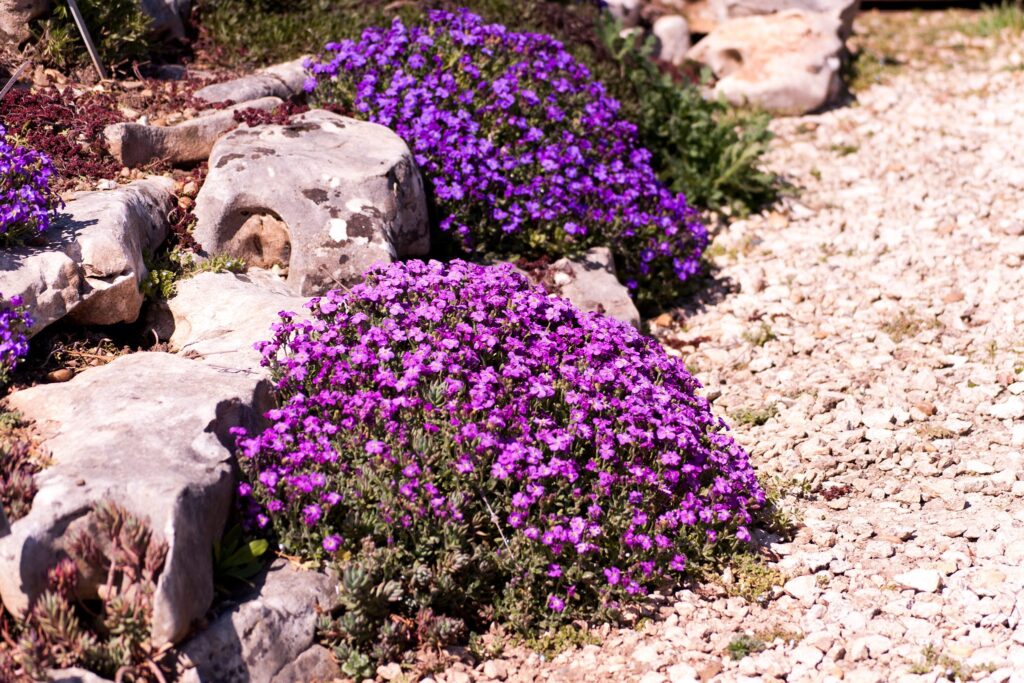
Are you looking to add some visual interest to your garden, but don’t have a lot of space or soil? A rock garden may be the perfect solution. Not only can it thrive in poor soil and full sun, but it can also be a beautiful and unique addition to any landscape. In this article, we’ll explore what makes a rock garden tick, and provide guidance on choosing the right plants for your specific climate and terrain.
What is a Rock Garden?
A rock garden is a type of garden that uses rocks and stones as the primary feature. The plants are often spaced closely together to create a visually appealing arrangement, and can include a variety of types such as succulents, mosses, and grasses. Unlike traditional gardens, which typically require soil and irrigation, rock gardens can thrive with minimal maintenance.
History of Rock Gardens
The concept of rock gardens dates back thousands of years, with evidence of ancient Chinese and Japanese gardens featuring rocks and stones. In the United States, rock gardens became popular in the mid-20th century, particularly among gardeners who were looking for low-maintenance alternatives to traditional landscaping.
Types of Rock Gardens
There are several types of rock gardens, each with its own unique characteristics. Some popular types include:
- Desert rock gardens: These gardens feature succulents and cacti native to the desert regions of North America.
- Moss gardens: These gardens focus on using mosses and other non-vascular plants to create a lush, green landscape.
- Grass gardens: These gardens feature grasses and other low-growing plants that thrive in full sun.
Benefits of a Rock Garden
There are several benefits to creating a rock garden. Not only can it add visual interest to your landscape, but it can also be a low-maintenance option for busy gardeners. Additionally, rock gardens can provide habitat for beneficial insects and small animals, making them an attractive option for wildlife enthusiasts.
- Low maintenance: Rock gardens require minimal watering, pruning, and fertilization.
- Improved soil structure: By using rocks and stones to create drainage, rock gardens can improve the overall health of your soil.
- Increased biodiversity: Rock gardens can provide habitat for a variety of beneficial insects and small animals.
Tips for Creating a Thriving Rock Garden
To create a thriving rock garden, here are some tips to keep in mind:
- Choose plants that are suitable for your climate and soil type. Research the specific needs of each plant before selecting them for your garden.
- Use a variety of textures and colors to add visual interest to your rock garden.
- Consider adding a layer of mulch or gravel to retain moisture and suppress weeds.
- Water your rock garden sparingly, as most succulents and cacti can survive with infrequent watering.
Common Mistakes to Avoid
When creating a rock garden, there are several common mistakes to avoid. Here are some tips for avoiding these pitfalls:
- Don’t overwater your rock garden, as this can lead to root rot and other problems.
- Choose plants that are well-suited to the amount of sunlight your rock garden receives.
- Avoid using too many plants with similar watering needs, as this can lead to overcrowding.
Frequently Asked Questions
Here are some frequently asked questions about creating a rock garden:
Q: Can I use any type of soil in my rock garden?
A: No, most succulents and cacti prefer well-draining soil. Consider using a mix specifically designed for rock gardens or a potting mix.
Q: How often should I water my rock garden?
A: Succulents and cacti can survive with infrequent watering. Check the soil moisture by sticking your finger into the soil up to the first knuckle.
Q: Can I add animals to my rock garden?
A: Yes, many types of animals can benefit from a rock garden, including insects, small mammals, and birds.
Plant Selection for Your Rock Garden
When selecting plants for your rock garden, consider factors such as climate, soil type, and sunlight exposure. Here are some popular plants that thrive in rock gardens:
- Succulents: Aloe, agave, echeveria
- Mosses: Sphagnum, peat moss
- Grasses: Blue grama, buffalo grass
- Flowering plants: Campanules, Phlox, Sedum
Specialized Plant Collections
Some rock gardens feature specialized plant collections that are tailored to specific climates or soil types. Here are a few examples:
- Desert succulent collection: This collection features cacti and succulents native to the desert regions of North America.
- Moss and fern collection: This collection focuses on using mosses, ferns, and other non-vascular plants to create a lush, green landscape.
- Grassland plant collection: This collection features grasses and other low-growing plants that thrive in full sun.
Maintenance and Care
To keep your rock garden thriving, here are some maintenance and care tips:
- Fertilize sparingly: Most succulents and cacti do not require fertilizer. However, if you’re growing flowering plants, consider using a balanced fertilizer once a month during the growing season.
- Mulch around plants: Mulching helps retain moisture and suppress weeds in your rock garden.
- Prune regularly: Prune your plants to encourage new growth and prevent overgrowth.
Conclusion
Creating a rock garden can be a fun and rewarding experience. By choosing the right plants for your specific climate and terrain, you can create a unique and beautiful addition to your landscape. Remember to choose plants that are well-suited to the amount of sunlight your rock garden receives, and avoid overwatering or overcrowding.
FAQs
- What is the best time of year to plant in a rock garden?
The best time to plant in a rock garden depends on your location and climate. In general, spring and fall are the best times to plant. - How often should I fertilize my rock garden?
Most succulents and cacti do not require fertilizer. However, if you’re growing flowering plants, consider using a balanced fertilizer once a month during the growing season. - Can I use mulch in a rock garden?
Yes, mulching helps retain moisture and suppress weeds in your rock garden. Choose a thin layer of organic mulch like bark or straw. - What type of soil is best for a rock garden?
Well-draining soil is essential for most succulents and cacti. Consider using a potting mix specifically designed for rock gardens or a mix with perlite or sand added to improve drainage. - Can I use a rock garden as a habitat for animals?
Yes, many types of animals can benefit from a rock garden. Consider adding a source of water and a few rocks or boulders to create hiding places.
By following these guidelines and tips, you can create a thriving rock garden that provides beauty and functionality to your landscape.


