
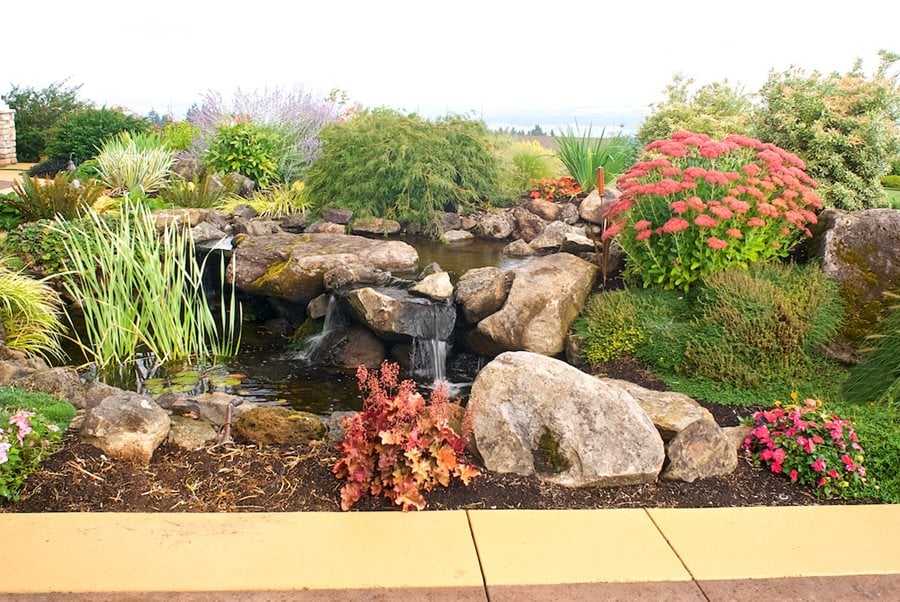
As you plan your rock garden, remember that it’s not just about placing some rocks and plants together. It’s about creating an immersive experience that transports you to the mountains or alpine regions.
Understanding Rock Gardens
A rock garden is more than just a collection of rocks and plants. It’s a design element that requires careful consideration of climate, soil, and plant selection. The term “rock garden” can refer to different types of gardens, but in this article, we’ll focus on creating a permanent outdoor rock garden.
Choosing the Right Plants
While succulents are often associated with rock gardens, they’re not the only option. Succulents are best suited for indoor or temporary use, especially in cold climates. Instead, choose plants that thrive in your local climate and soil conditions. Consider native species, perennials, shrubs, and trees that provide a natural, mountainous landscape.
When selecting plants for your rock garden, consider factors such as:
- Climate: Choose plants that can tolerate the temperature and precipitation levels in your area.
- Soil: Select plants that prefer well-draining soil or can thrive in rocky conditions.
- Light: Consider plants that require full sun, partial shade, or full shade, depending on your location.
- Maintenance: Choose low-maintenance plants that don’t require frequent pruning or watering.
Some popular plants for rock gardens include:
- Alpine plants like saxifrage, gentian, and primrose
- Succulents like agave, echeveria, and crassula
- Perennials like coneflower, black-eyed Susan, and daylily
- Shrubs like rosemary, lavender, and boxwood
Planning Your Rock Garden
When planning your rock garden, start by deciding on the scale and orientation of your design. If you have limited space, consider a small-scale planter or a vertical rock garden. On the other hand, if you have ample space, you can create a sprawling rock garden with plenty of room for plants to grow.
Consider the following factors when planning your rock garden:
- Size: Determine how much space you have available and choose a design that fits within those parameters.
- Orientation: Consider the direction your rock garden will face and choose plants that thrive in that light condition.
- Shape: Choose a shape that complements your landscape and provides visual interest.
- Color: Select plants with varying textures and colors to create a visually appealing design.
Selecting Rocks and Gravel
The type of rocks and gravel you choose will greatly impact the look and feel of your rock garden. Consider using a mix of large and small rocks, as well as different textures and colors to create visual interest. You can also use other materials like driftwood, branches, or even boulders to add depth and complexity.
When selecting rocks and gravel, consider factors such as:
- Texture: Choose rocks with varying textures to create a visually appealing design.
- Color: Select rocks with different colors to complement your plants and landscape.
- Size: Use a mix of large and small rocks to create visual interest.
- Material: Consider using natural materials like stone, wood, or recycled materials.
Some popular rock types for gardens include:
- Fieldstones
- Flagstones
- Boulders
- Gravel
- Pebbles
Creating a Rock Garden on an Incline
If you have sloping land, consider creating a rock garden on an incline. This will allow you to make the most of your space while adding visual interest to your design. You can use terracing and retaining walls to create separate levels, allowing plants to grow in their optimal environment.
When creating a rock garden on an incline, consider factors such as:
- Drainage: Ensure that water drains properly from the slope to prevent erosion.
- Stability: Use retaining walls or other stabilizing structures to prevent soil from slipping or sliding.
- Elevation: Choose plants that thrive in varying elevations and conditions.
Some popular designs for rock gardens on an incline include:
- Tiered rock gardens
- Terracing with retaining walls
- Stepped rock gardens
- Water features like ponds or fountains
Tips for Managing Your Rock Garden
- Use a mix of large and small rocks to create visual interest.
- Consider using a variety of textures and colors to add depth and complexity.
- Don’t be afraid to experiment with different plant combinations and arrangements.
- Make sure to provide enough maintenance, such as watering and pruning, to keep your rock garden looking its best.
Common Mistakes to Avoid
- Overcrowding: make sure to leave enough space between plants for proper growth and air circulation.
- Insufficient drainage: ensure that your rock garden has adequate drainage to prevent waterlogged soil.
- Inadequate maintenance: regular watering, pruning, and fertilization are essential for a healthy rock garden.
Creating a Rock Garden in Small Spaces
If you have limited space, consider creating a rock garden in small spaces like pots or containers. You can also use vertical planters or trellises to make the most of your space.
When creating a rock garden in small spaces, consider factors such as:
- Container size: Choose a container that is large enough to hold a variety of plants and rocks.
- Plant selection: Select plants that thrive in small spaces and require minimal maintenance.
- Lighting: Consider the amount of light available in your space and choose plants that can tolerate different lighting conditions.
Some popular designs for rock gardens in small spaces include:
- Vertical planters
- Hanging baskets
- Potted rock gardens
- Window boxes
FAQs
Q: What type of plants are best for a rock garden?
A: Choose plants that thrive in your local climate and soil conditions, such as native species, perennials, shrubs, and trees.
Q: How do I choose the right rocks and gravel for my rock garden?
A: Consider using a mix of large and small rocks, as well as different textures and colors to create visual interest.
Q: Can I use succulents in a rock garden?
A: While succulents can be used in a rock garden, they’re best suited for indoor or temporary use, especially in cold climates. Choose plants that thrive in your local climate and soil conditions instead.
Q: How do I maintain my rock garden?
A: Regular watering, pruning, and fertilization are essential for a healthy rock garden. Make sure to provide adequate drainage and leave enough space between plants for proper growth and air circulation.
Q: Can I create a rock garden on an incline?
A: Yes, consider creating a rock garden on an incline using terracing and retaining walls to create separate levels. This will allow you to make the most of your space while adding visual interest to your design.
Q: What are some common mistakes to avoid in a rock garden?
A: Overcrowding, insufficient drainage, and inadequate maintenance are common mistakes to avoid when creating a rock garden. Make sure to leave enough space between plants for proper growth and air circulation, ensure adequate drainage, and provide regular maintenance.


