
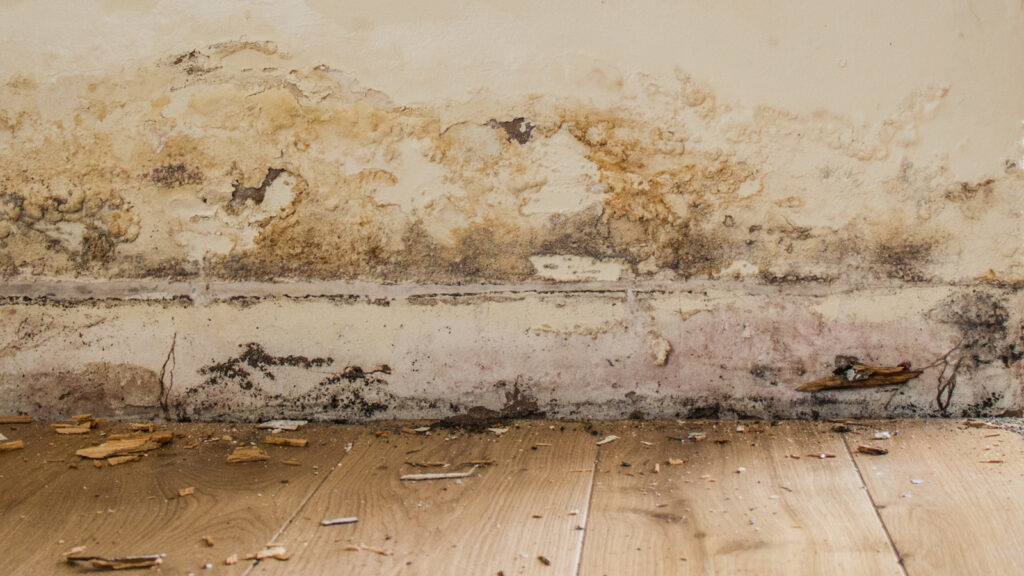
As we navigate the complexities of building maintenance and restoration, it’s essential to grasp the fundamental causes of rising moisture. This phenomenon, often referred to as “rising damp,” is a common issue in older structures, but its impact can be felt across various types of buildings.
What Is Rising Moisture?
Rising moisture is a result of poor impermeabilization of foundation walls. Its presence depends on the porosity of the masonry and the amount of water present beneath the surface. When salts from the soil and construction materials dissolve in water, they rise through capillary action to the surface. While evaporation occurs, the salt remains in the plaster, eventually crystallizing and increasing its volume. This pressure causes the plaster to push against the surrounding material.
Consequences of Rising Moisture
Beyond creating unsanitary environments, rising moisture can lead to a range of damaging effects, including:
- Disintegration of plasters and renders: The constant presence of water and salts can cause significant damage to these materials, leading to crumbling, cracking, or complete failure.
- Structural instability: in extreme cases, leading to collapse: Rising moisture can weaken the structure of a building, making it more susceptible to damage from other factors such as wind or seismic activity.
- Fading or discoloration of painted surfaces: The constant presence of water and salts can cause paints to fade or become discolored, affecting the appearance of a building.
- Cracking of walls and ceilings: Rising moisture can cause cracks in walls and ceilings, leading to further damage and potential structural issues.
- Increased heating costs due to cold, moist walls: Buildings with rising moisture issues often require additional heating to warm up cold, damp surfaces, increasing energy costs.
Identifying the Signs
The presence of rising moisture can be determined by several telltale signs:
- Algae growth on walls and ceilings: Algae thrive in damp environments and can appear as green or black patches on walls and ceilings.
- Mould and salt deposits: Mould and salt deposits are visible signs of rising moisture, appearing as white or grey powdery substances on surfaces.
- Cracked or crumbling plasterwork: Rising moisture can cause cracks in plasterwork, leading to further damage and potential structural issues.
- Unpleasant odors from damp areas: Buildings with rising moisture issues often have unpleasant odors emanating from damp areas, such as musty smells.
What Can Be Done?
While it’s impossible to completely eliminate the risk of rising moisture, there are steps that can be taken to mitigate its effects:
Preventative Measures
- Improve ventilation: Ensure adequate airflow in buildings by installing vents, fans, or other ventilation systems.
- Use salt-resistant paints and coatings: Use salt-resistant paints and coatings on walls and ceilings to prevent damage from salts rising through capillary action.
Repair and Restoration Techniques
- Seal cracks and crevices: Seal cracks and crevices in plasterwork with a suitable sealant to prevent water from entering the structure.
- Apply a breathable, impermeable coating: Apply a breathable, impermeable coating to the affected area to prevent further damage.
- Consider replacing damaged or compromised masonry: If the damage is extensive, consider replacing damaged or compromised masonry with more durable alternatives.
When Building New Structures
- Ensure proper drainage systems are installed beneath foundations: Ensure that proper drainage systems are installed beneath foundations to prevent water from accumulating and rising through capillary action.
- Use salt-resistant materials for construction and decoration: Use salt-resistant materials for construction and decoration, such as salt-resistant paints and coatings.
By understanding the root causes of rising moisture and taking proactive steps, homeowners and builders can prevent or minimize its impact on properties. Regular maintenance and inspections can help identify issues before they become major problems, ensuring a safer and healthier living environment.
Best Practices for Mitigating Rising Moisture
- Regular inspections: Regularly inspect buildings for signs of rising moisture, including algae growth, mould, and cracked plasterwork.
- Proper ventilation: Ensure proper ventilation in buildings to prevent the accumulation of moisture.
- Salt-resistant materials: Use salt-resistant materials for construction and decoration to prevent damage from salts rising through capillary action.
Common Causes of Rising Moisture
- Poor impermeabilization of foundation walls: Poor impermeabilization of foundation walls allows water to enter the structure, leading to rising moisture.
- High levels of salt in the soil: High levels of salt in the soil can dissolve and rise through capillary action, causing damage to plasterwork and other materials.
- Poor drainage systems: Poor drainage systems beneath foundations can lead to the accumulation of water, which rises through capillary action to cause rising moisture.
Preventing Rising Moisture
- Use salt-resistant paints and coatings: Use salt-resistant paints and coatings on walls and ceilings to prevent damage from salts rising through capillary action.
- Ensure proper drainage systems are installed beneath foundations: Ensure that proper drainage systems are installed beneath foundations to prevent water from accumulating and rising through capillary action.
- Regularly inspect buildings: Regularly inspect buildings for signs of rising moisture, including algae growth, mould, and cracked plasterwork.
By understanding the root causes of rising moisture and taking proactive steps, homeowners and builders can prevent or minimize its impact on properties. Regular maintenance and inspections can help identify issues before they become major problems, ensuring a safer and healthier living environment.


