
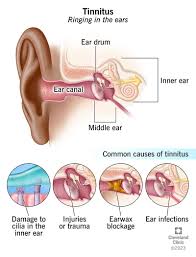
Tinnitus is often referred to as a “ringing in the ears,” but it can manifest in various forms, including hissing sounds, buzzing, or even music-like melodies. In some cases, people may experience pulsatile tinnitus, which beats in sync with their heartbeat. Others might notice that this condition coincides with decreased hearing abilities or increased sensitivity to everyday sounds (hyperacusis).
Is Tinnitus a Serious Condition?
Acute tinnitus is rarely a sign of a serious underlying condition. For some individuals, the condition may be temporary and periodic, while others may experience mild symptoms. However, in severe cases, tinnitus can have a significant impact on daily life, affecting concentration and leading to issues like insomnia and depression.
When Should You Seek Medical Attention?
It’s generally recommended to consult your primary care physician if you experience continuous and/or regular hissing or ringing sounds in your ears. Your doctor can perform an examination to identify potential causes that may be easily treatable, such as ear infections or wax buildup. If necessary, they may refer you to a specialist for further evaluation and treatment.
What Causes Tinnitus?
Tinnitus can develop gradually over time or appear suddenly. The exact cause of tinnitus is unclear, but it often occurs in conjunction with some degree of hearing loss, which can range from mild to significant. Common factors contributing to the development of tinnitus include:
- Age-related hearing loss
- Exposure to loud noises, such as those experienced at concerts or construction sites
- Earwax buildup
- Middle ear infections
- Meniere’s disease (a condition causing vertigo, hearing loss, and balance problems)
- Otosclerosis (an inherited condition affecting the middle ear bones)
It’s worth noting that not everyone with tinnitus will exhibit all of these factors. In some cases, individuals may experience no apparent issues with their ears or hearing.
Who is Prone to Tinnitus?
According to studies, approximately 10% of people in Western Europe experience tinnitus at some point in their lives. However, only about 1% suffer from severe enough symptoms to affect their quality of life. Tinnitus can affect individuals of all ages, including children, but it’s more common among older adults (over 65 years old).
Risk Factors for Developing Tinnitus
While anyone can develop tinnitus, certain risk factors may increase the likelihood of experiencing this condition. These include:
- Prolonged exposure to loud noises (more than 85 decibels)
- High-frequency noise exposure
- History of ear infections or middle ear problems
- Family history of hearing loss or tinnitus
- Certain medical conditions, such as hypertension, hyperacusis, or Meniere’s disease
Treatment Options for Tinnitus
Currently, there is no single treatment that works for everyone with tinnitus. However, researchers continue to explore new and innovative approaches. The first step in addressing tinnitus is identifying its underlying cause. If a specific cause can be found, treatment may focus on alleviating the condition using methods such as:
- Sound therapy: listening to neutral sounds to distract from the ringing or hissing
- Counseling: cognitive-behavioral therapy (CBT) and counseling can help individuals manage their tinnitus and change their perception of it
- Cognitive retraining therapy (CRT): this type of therapy aims to rewire the brain’s response to tinnitus, reducing its awareness and impact
While these methods are not universally effective, they offer valuable support for individuals living with tinnitus.
Sound Therapy for Tinnitus
Sound therapy is a widely used treatment approach for tinnitus. The goal of sound therapy is to distract from the ringing or hissing sounds by providing neutral auditory input. This can be achieved through:
- White noise machines
- Fan-generated white noise apps
- Customized sound therapy devices
- Music therapy sessions
Research has shown that sound therapy can lead to improvements in tinnitus symptoms, particularly when combined with counseling and cognitive retraining therapy.
Cognitive-Behavioral Therapy (CBT) for Tinnitus
Cognitive-behavioral therapy is a type of talk therapy that aims to help individuals manage their thoughts, emotions, and behaviors related to tinnitus. CBT can be tailored to address specific concerns and goals, such as:
- Managing anxiety and stress
- Improving sleep quality
- Enhancing coping skills
By addressing the psychological aspects of tinnitus, CBT can help reduce symptoms and improve overall well-being.
Cognitive Retraining Therapy (CRT) for Tinnitus
Cognitive retraining therapy is a type of cognitive training that focuses on improving attention, working memory, and executive function. CRT can be particularly helpful for individuals with severe tinnitus who experience difficulty concentrating or managing distractions.
Other Treatment Options for Tinnitus
In addition to sound therapy, counseling, and cognitive retraining therapy, other treatment options are available for tinnitus. These include:
- Acupuncture: a form of traditional Chinese medicine that involves inserting fine needles into specific points on the body
- Transcranial magnetic stimulation (TMS): a non-invasive procedure that uses magnetic fields to stimulate brain activity
- Hyperbaric oxygen therapy: a treatment that involves breathing pure oxygen in a pressurized chamber
Managing Tinnitus at Home
While medical treatment is essential for addressing tinnitus, there are several strategies that can help manage symptoms and improve quality of life. These include:
- Keeping a symptom journal to track patterns and identify triggers
- Practicing stress-reducing techniques, such as meditation or deep breathing exercises
- Staying connected with friends and family to reduce feelings of isolation
- Engaging in regular physical activity to improve overall health
Conclusion
Tinnitus is a complex condition that can have a significant impact on daily life. While there is no definitive cure for tinnitus, various treatments and therapies can help manage symptoms and improve quality of life. By understanding the causes and risk factors associated with tinnitus, individuals can take proactive steps to prevent or mitigate this condition. With the right treatment approach and support, it’s possible to live a fulfilling life despite tinnitus.
Frequently Asked Questions
- What is tinnitus?
Tinnitus refers to a range of sounds or sensations perceived in the ear when there is no external source present. - Is tinnitus a sign of hearing loss?
While some cases of tinnitus are associated with hearing loss, not all individuals with tinnitus will exhibit significant hearing problems. - Can I cure tinnitus?
There is currently no definitive cure for tinnitus. However, various treatments and therapies can help manage symptoms and improve quality of life. - How common is tinnitus?
Tinnitus affects approximately 10% of people in Western Europe, but only about 1% experience severe enough symptoms to impact daily life. - Is tinnitus painful?
Some individuals with tinnitus may describe it as a source of discomfort or stress, while others report no pain at all. - Can I prevent tinnitus?
While there is no guaranteed way to prevent tinnitus, reducing exposure to loud noises and maintaining good ear health can minimize the risk. - How long does tinnitus treatment typically last?
Treatment duration varies depending on individual circumstances, but most therapies are designed to be ongoing rather than short-term.
Please consult with your healthcare provider for personalized advice and guidance on managing tinnitus.


