
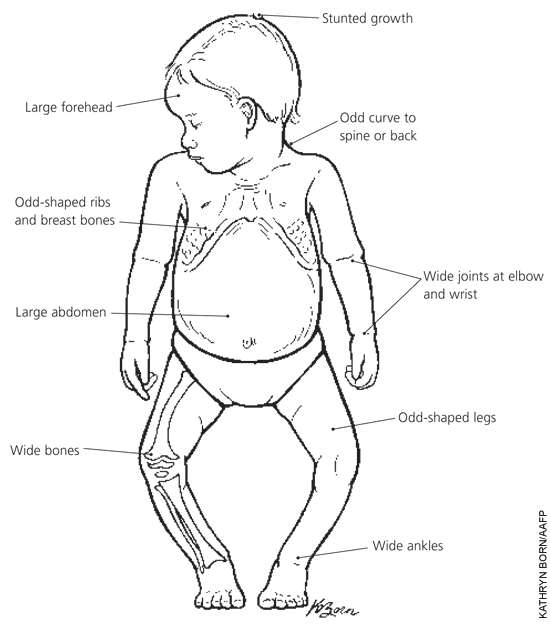
Rachitis is a rare condition that affects the bones, making them more prone to breaking easily. This disorder is more common in children than adults and manifests with characteristic symptoms. In this article, we’ll explore the key features of rachitis, its causes, diagnosis, prevention, treatment, and what it means for those affected.
What are the Symptoms of Rachitis?
Rachitis symptoms include:
- Slow growth and development
- Muscle weakness
- Back and pelvis pain
- Curved or deformed legs
Other potential symptoms may be related to dental problems such as tooth decay and structural issues.
In addition to these physical symptoms, children with rachitis may experience other signs, including:
- Poor posture due to muscle weakness
- Difficulty walking or standing due to weak bones
- Joint pain and stiffness
- Inadequate bone density
It’s essential for parents to be aware of the early signs of rachitis so they can seek medical attention promptly. Early diagnosis and treatment can significantly improve a child’s chances of recovery.
What Causes Rachitis?
The primary cause of rachitis is a lack of vitamin D, which is essential for bone growth. Vitamin D helps bones absorb calcium and phosphorus, two elements necessary for healthy bone development. Children between 6 and 24 months are at higher risk as their bones grow rapidly during this period.
Additionally, certain factors can increase the risk of rachitis in children:
- Dark skin: People with darker skin tones have less ability to produce vitamin D from sunlight.
- Insufficient sun exposure: Vitamin D is produced in the skin when exposed to UVB rays from the sun. However, excessive sun exposure increases the risk of skin cancer and other health problems.
- Poor diet lacking vitamin D, calcium, or phosphorus: A well-balanced diet that includes foods rich in vitamin D, such as fortified dairy products, leafy greens, and fatty fish, can help prevent rachitis.
- Breastfeeding without a vitamin D supplement: Newborns may not have enough vitamin D from their mother’s breast milk. Regular supplementation can help ensure they receive adequate amounts.
- Certain medical conditions that prevent vitamin D production or absorption: Some medical conditions, such as kidney or liver disease, can impair vitamin D production and increase the risk of rachitis.
Rachitis can also be inherited in some cases.
How is Rachitis Diagnosed?
A healthcare provider will ask for information about the family history, health, and diet of the child. A thorough physical examination and blood tests are performed to determine if the child has rachitis. Radiographs (x-rays) may also be taken to assess bone development.
In addition to these diagnostic tools, doctors may use a variety of other tests to rule out other conditions that can cause similar symptoms, such as osteogenesis imperfecta or hypoparathyroidism.
Can Rachitis be Prevented or Avoided?
In most cases, it’s possible to prevent rachitis by following some simple precautions:
- Ensure adequate vitamin D and calcium intake: A well-balanced diet that includes foods rich in vitamin D, such as fortified dairy products, leafy greens, and fatty fish, can help ensure a child receives enough of these essential nutrients.
- Consider a vitamin D supplement if breastfeeding or consuming limited amounts of dairy products: Regular supplementation can help ensure newborns receive adequate amounts of vitamin D from their mother’s breast milk or other sources.
- Consult with your pediatrician for personalized advice: Your child’s doctor can provide tailored guidance based on their individual needs and health status.
A well-balanced diet rich in foods high in vitamin D, such as breakfast cereals and orange juice, can also help. Be mindful that newborns need protection from direct sunlight to prevent excessive exposure.
In addition to these preventive measures, some families may choose to consider vitamin D-fortified baby formula or supplements to ensure their child receives adequate amounts of this essential nutrient.
Treatment Options for Rachitis
While rachitis is a challenging condition to treat, there are various treatment options available to help manage its symptoms and prevent complications. Here are some common approaches:
- Dietary changes: Increasing calcium and phosphorus intake through food sources can help strengthen bones.
- Vitamin D supplementation: Regular supplementation can help ensure adequate vitamin D levels in the body.
- Physical therapy: Gentle exercises, such as stretching and strengthening, can help improve muscle function and bone density.
- Bone-modifying agents: Medications like bisphosphonates may be prescribed to slow down bone loss or promote bone formation.
In some cases, surgery may be necessary to correct structural issues or deformities. However, this is typically considered a last resort and only when other treatments have failed.
Living with Rachitis
Rachitis can significantly impact a child’s quality of life, but with proper treatment and support, many children are able to lead active and fulfilling lives. Here are some tips for families affected by rachitis:
- Encourage regular exercise: Gentle exercises, such as swimming or yoga, can help improve muscle function and bone density.
- Focus on nutrition: A well-balanced diet that includes foods rich in vitamin D, calcium, and phosphorus can help promote healthy bone development.
- Monitor progress: Regular check-ups with your child’s doctor can help track their progress and make any necessary adjustments to treatment plans.
- Seek support: Connect with other families affected by rachitis through support groups or online communities to share experiences and advice.
While rachitis is a rare condition, its impact on families can be significant. By understanding the causes, symptoms, diagnosis, prevention, and treatment options for this disorder, parents and caregivers can take proactive steps to ensure their child receives the best possible care and support.


