
Introduction
Rice flour is a staple ingredient in many cuisines around the world, particularly in Asian cultures. However, not all rice flours are created equal. In this article, we will explore the different types of rice flour, their properties, uses, and nutritional values.
What is Rice Flour?
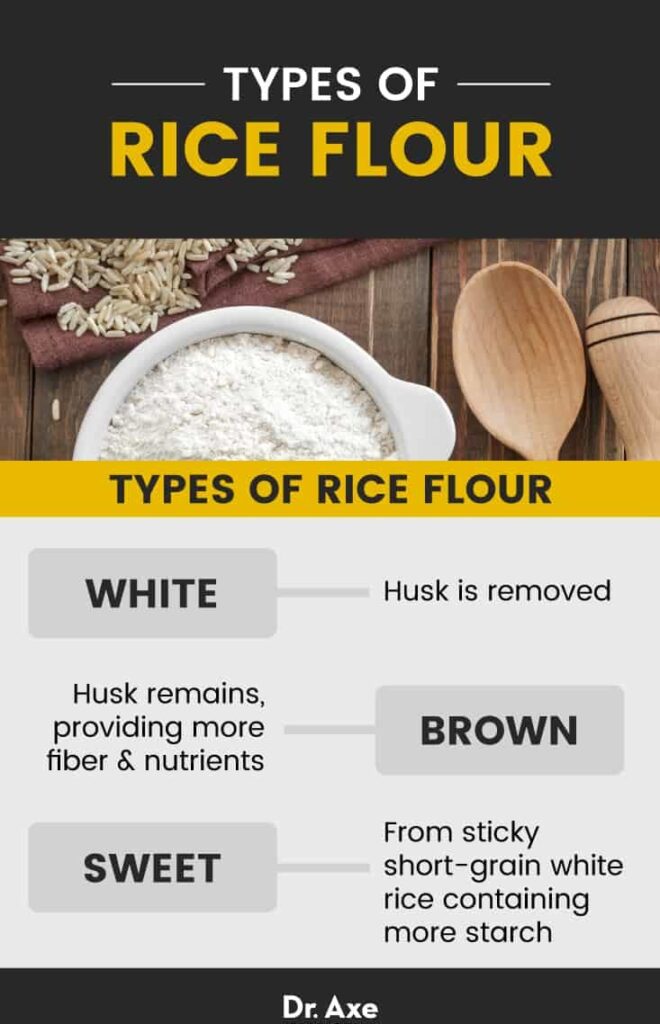
Rice flour is made from grinding rice into a fine powder. It can be classified into three main types: glutinous (or sticky) rice flour, white rice flour, and brown rice flour.
Types of Rice Flour
- Glutinous Rice Flour: Also known as sweet rice flour, this type of flour is made from the starch-rich grains of glutinous rice. It is used to make traditional Japanese sweets, such as mochi, and other desserts.
- White Rice Flour: This type of flour is made from white rice and is often used as a thickening agent in cooking and baking. It has a neutral flavor and can be used in a variety of dishes, including Asian-style desserts.
- Brown Rice Flour: Made from brown rice, this type of flour is higher in fiber and nutrients compared to white rice flour. It has a nuttier flavor and is often used in gluten-free baking.
Properties and Uses
Rice flour has several properties that make it useful in cooking and baking:
- Gluten-free: Rice flour does not contain gluten, making it an excellent option for those with gluten intolerance or celiac disease.
- Thickening agent: Rice flour can be used as a thickening agent in soups, sauces, and desserts.
- Additive: Rice flour can be used as an additive in baked goods to improve texture and flavor.
Rice flour is also used in various industries:
- Cosmetics: Rice flour has been used in traditional Asian medicine for its soothing and moisturizing properties. It is often used in skincare products due to its ability to reduce inflammation and promote healing.
- Pharmaceuticals: Rice flour has been used as an excipient in some pharmaceutical products due to its ability to improve bioavailability and stability.
Rice Flour in Cuisine
Rice flour is a staple ingredient in many cuisines, particularly in Asian cultures. It is used in various dishes, including:
- Mochi: A traditional Japanese dessert made from glutinous rice flour.
- Spaghetti of Rice: An Italian dish made from rice flour and tapioca starch.
- Bánh canh: A Vietnamese noodle soup made with rice flour noodles.
- Neer dosa: A South Indian crepe made from rice flour and water.
Nutritional Value
Rice flour is a good source of carbohydrates, fiber, and protein. It also contains various vitamins and minerals, including:
- Potassium: 76 mg per 100g serving
- Calcium: 10 mg per 100g serving
- Magnesium: 35 mg per 100g serving
- Iron: 0.4 mg per 100g serving
Conclusion
Rice flour is a versatile ingredient with numerous properties and uses. From traditional desserts to modern pharmaceutical applications, rice flour has proven itself to be an excellent ingredient in various industries. Its gluten-free nature and nutritional value make it an ideal choice for those with dietary restrictions or preferences.
Frequently Asked Questions (FAQs)
Q: What is the difference between glutinous rice flour and white rice flour?
A: Glutinous rice flour is made from starch-rich grains of glutinous rice, while white rice flour is made from white rice.
Q: Can rice flour be used as a substitute for gluten-free flours?
A: Yes, rice flour can be used as a substitute for some gluten-free flours, particularly those with high protein content.
Q: Is rice flour suitable for people with celiac disease?
A: While rice flour is naturally gluten-free, it may not be suitable for everyone. Individuals with celiac disease should consult their doctor or registered dietitian before consuming rice flour.
Q: Can rice flour be used as a thickening agent in sauces and soups?
A: Yes, rice flour can be used as a thickening agent in some sauces and soups due to its starchy properties.
Q: Is rice flour suitable for vegan diets?
A: While rice flour is gluten-free, it may contain animal-derived products, such as honey or gelatin. Vegans should choose rice flour products that are certified vegan.
Q: Can rice flour be used in baked goods?
A: Yes, rice flour can be used in some baked goods, particularly those with high protein content. However, it may require additional ingredients to achieve the desired texture and flavor.
Q: Is rice flour suitable for people with nut allergies?
A: Rice flour is naturally free from common allergens like nuts. However, individuals with nut allergies should still exercise caution when consuming rice flour products.
Q: Can rice flour be used as a substitute for cornstarch in recipes?
A: Yes, rice flour can be used as a substitute for some portion of cornstarch due to its starchy properties.
Culinary Uses
Rice flour is an excellent ingredient in various culinary applications:
- Baked Goods: Rice flour can be used to make gluten-free baked goods, such as cakes, cookies, and breads.
- Pasta**: Rice flour can be used to make traditional Italian pasta dishes, like spaghetti or fettuccine.
- Desserts: Rice flour is a great ingredient in making desserts like mochi, rice pudding, or Japanese-style ice cream.
Nutritional Benefits
Rice flour is a nutritious food that offers several health benefits:
- High in Carbohydrates: Rice flour is a good source of carbohydrates, which provide energy for the body.
- Good Source of Fiber: Rice flour contains fiber, which can help lower cholesterol levels and promote digestive health.
- Rich in Minerals: Rice flour is rich in minerals like potassium, calcium, magnesium, and iron.
Preparation Methods
There are several ways to prepare rice flour:
- Grinding: Rice flour can be ground from whole rice grains or from pre-ground rice flour using a food processor or blender.
- Mixing: Rice flour can be mixed with other ingredients like sugar, eggs, and flavorings to create different recipes.
Tips for Using Rice Flour
Here are some tips for using rice flour:
- Substitute in Recipes: Rice flour can be used as a substitute for gluten-free flours or starches in many recipes.
- Add Flavor: Rice flour can add a nutty flavor to baked goods and desserts.
- Adjust Liquid Content: Rice flour absorbs liquid differently than other flours, so adjust the amount of liquid content accordingly.


