
Have you ever wondered how our cells are able to create the proteins that make up our bodies? It all starts with a tiny organelle called the ribosome. In this article, we’ll delve into the world of ribosomes and explore their structure, function, and importance in the cell.
What Are Ribosomes?
Ribosomes are complex macromolecules responsible for protein synthesis. They’re found in various parts of the cell, including the nucleolus, cytoplasm, and endoplasmic reticulum rough (ER). The name “ribosome” comes from the Greek words “ribos” meaning bone, and “som” meaning structure or form.
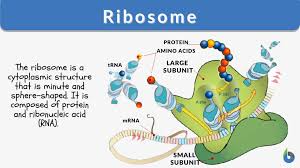
Ribosomes are composed of RNA and proteins, which work together to synthesize proteins. They read information from messenger RNA (mRNA) to create amino acids that are linked together to form polypeptide chains. These chains then fold into proteins with specific functions in the cell.
Structure of Ribosomes
The structure of ribosomes is fascinating and plays a crucial role in their function. Ribosomes consist of four ribosomal RNA molecules, which are involved in decoding mRNA sequences and selecting the correct amino acids for incorporation into polypeptide chains. The proteins that make up the ribosome provide additional support and binding sites for mRNA.
There are two types of ribosomes: small (30S) and large (50S). These subunits work together to form a complete ribosome, which is essential for protein synthesis. The size and structure of the ribosome vary depending on the type of cell, such as bacteria, archaea, or eukaryotes.
Ribosomes in Mitochondria
Mitochondrial ribosomes, also known as mitoribosomes, are responsible for translating the mitochondrial genome and play a crucial role in synthesizing proteins involved in ATP production within the mitochondria. The human mitoribosome is composed of 80 proteins and three RNA molecules.
Mitoribosomes are found in the mitochondria, which are organelles that generate most of the energy for the cell through a process called oxidative phosphorylation. The mitoribosome’s function is essential for producing ATP, which is then used to fuel various cellular processes.
The Function of Ribosomes
So, what do these tiny structures actually do? Ribosomes read information from messenger RNA (mRNA) to synthesize proteins. They’re essential for various cellular functions, such as growth, development, and maintenance. The arrangement of ribosomes within the cell can vary depending on the type of cell and its function.
Free Ribosomes
Free ribosomes are found in the cytoplasm and play a crucial role in synthesizing proteins that are released into the cytoplasm or membrane-bound compartments. They work together to form polyribosomes (polysomes) using a common mRNA molecule. Free ribosomes can also be attached to membranes, such as the nuclear envelope or ER.
Bound Ribosomes
Bound ribosomes are attached to membranes, including the nuclear envelope and ER. Their primary function is to synthesize and release proteins into these membrane-bound compartments. Bound ribosomes are often involved in the synthesis of proteins that are destined for secretion from the cell.
Explaining Ribosomes to Kids
So, how do you explain ribosomes to kids? You can use books like “The Human Body” or “Why?” for a more engaging experience. For older children, consider using interactive games or educational materials.
One way to explain ribosomes to kids is to compare them to machines that read instructions and assemble objects from parts. The instructions are like the mRNA, and the parts are the amino acids. Just as these machines can be used to build complex structures, ribosomes play a crucial role in building proteins.
Conclusion
Ribosomes are the tiny organelles responsible for protein synthesis in cells. Their structure and function vary depending on the type of cell, and they play a crucial role in various cellular processes. Understanding ribosomes can help us appreciate the complexity and beauty of the human body.
In conclusion, ribosomes are fascinating structures that play a vital role in protein synthesis. They’re found in various parts of the cell, including the nucleolus, cytoplasm, and endoplasmic reticulum rough (ER). The structure and function of ribosomes can vary depending on the type of cell, such as bacteria, archaea, or eukaryotes.
Frequently Asked Questions (FAQs)
- What are the main functions of ribosomes?
Ribosomes read mRNA to synthesize proteins, which are essential for various cellular processes, such as growth, development, and maintenance.
2. Where are ribosomes found in cells?
Ribosomes can be found in the nucleolus, cytoplasm, endoplasmic reticulum rough (ER), mitochondria, or other organelles.
3. What is the difference between free and bound ribosomes?
Free ribosomes synthesize proteins that are released into the cytoplasm or membrane-bound compartments, while bound ribosomes work with membranes to synthesize and release proteins into these compartments.
4. How do mitoribosomes differ from other ribosomes?
Mitoribosomes have a distinct structure and function in synthesizing proteins for ATP production within mitochondria.
5. Can I see ribosomes under a microscope?
Under a microscope, you can observe ribosomes as small, round structures on the surface of cells or within organelles like the endoplasmic reticulum rough (ER).
6. What would happen if we lost our ability to synthesize proteins?
If we were unable to synthesize proteins, it could lead to severe health problems and potentially life-threatening conditions.
7. Are there any diseases related to ribosomal dysfunction?
Yes, several diseases are associated with ribosomal dysfunction, such as mitochondrial myopathies or genetic disorders affecting protein synthesis.
8. Can I study the structure and function of ribosomes further?
Yes, you can explore the fascinating world of ribosomes through scientific research papers, textbooks, or online educational resources.
Additional Facts About Ribosomes
Here are some additional facts about ribosomes that might be helpful:
- The human body is composed of approximately 37.2 trillion cells, each containing hundreds to thousands of ribosomes.
- Ribosomes can synthesize proteins at a rate of up to 10^12 (100 billion) amino acids per second.
- Ribosomes play a crucial role in various cellular processes, including protein synthesis, protein degradation, and cell signaling.
- Ribosomal dysfunction has been linked to several diseases, including cancer, neurodegenerative disorders, and genetic disorders.
Conclusion
Ribosomes are fascinating structures that play a vital role in protein synthesis. Their structure and function can vary depending on the type of cell, and they’re essential for various cellular processes. Understanding ribosomes can help us appreciate the complexity and beauty of the human body.
In conclusion, ribosomes are tiny organelles that play a crucial role in protein synthesis. They’re found in various parts of the cell, including the nucleolus, cytoplasm, and endoplasmic reticulum rough (ER). The structure and function of ribosomes can vary depending on the type of cell, such as bacteria, archaea, or eukaryotes.
Final Thoughts
In conclusion, ribosomes are fascinating structures that play a vital role in protein synthesis. Their importance cannot be overstated, as they’re essential for various cellular processes, including growth, development, and maintenance.
In the future, researchers will continue to study the structure and function of ribosomes to better understand their role in disease prevention and treatment. Additionally, advances in technology will allow us to visualize and manipulate ribosomes with greater precision, leading to new insights into protein synthesis and cellular biology.
Overall, the study of ribosomes is a fascinating area of research that continues to reveal new insights into the complex world of cellular biology.


