
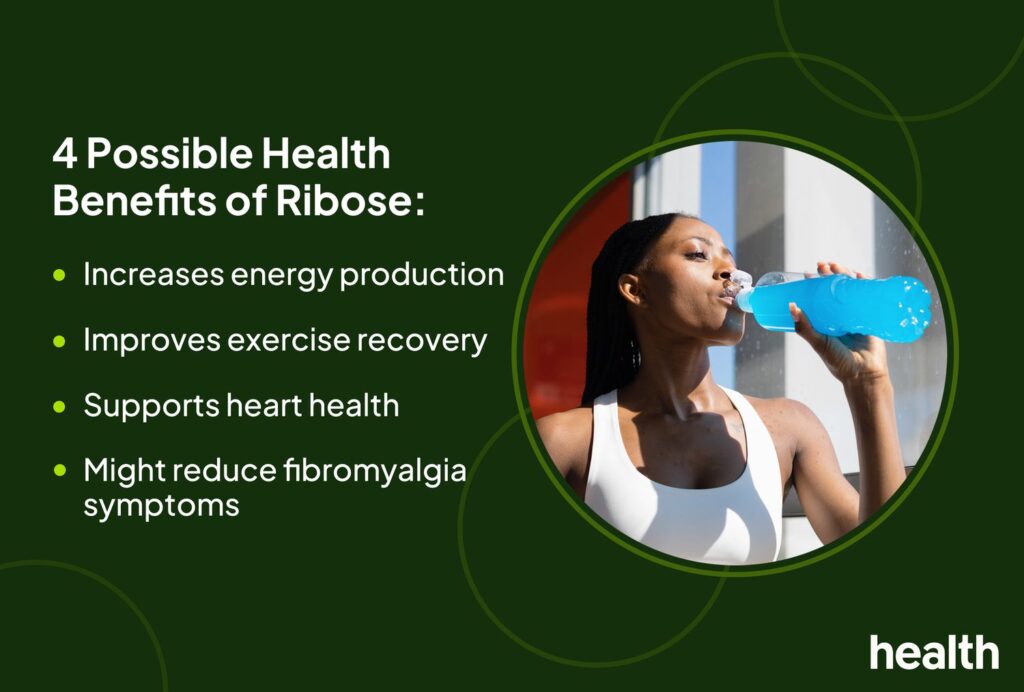
Ribose is often misunderstood as simply a sugar found in some foods, but it’s so much more than that. This essential nutrient plays a vital role in many bodily functions, providing energy and being a crucial component of various cellular structures. In this article, we’ll delve into the world of ribose, exploring its properties, uses, benefits, and potential drawbacks.
What is Ribose?
Ribose is a five-carbon sugar molecule that serves as a building block for DNA and RNA molecules. It’s a monosaccharide with all functional groups oriented towards the right, giving it an “open” structure. This unique characteristic makes ribose indispensable for life, as it’s present in every cell and plays a key role in various cellular processes.
The Importance of Ribose
Ribose is essential for maintaining optimal energy levels, as it’s involved in the production of ATP (adenosine triphosphate), a molecule that provides immediate energy for cells. Without sufficient ribose, our bodies wouldn’t be able to function properly, and we’d experience fatigue, weakness, and other debilitating symptoms.
How Does Ribose Affect Our Health?
Ribose has numerous benefits for overall health and athletic performance:
- Energy Production: Ribose is a critical component in the production of ATP, ensuring that our cells receive the energy they need to function optimally.
- Cardiovascular Health: Adequate ribose intake can improve heart function, lower blood pressure, and reduce the risk of cardiovascular disease.
- Muscle Recovery: Ribose helps promote muscle recovery after intense exercise, reducing muscle soreness and fatigue.
- Cognitive Function: A sufficient ribose supply is essential for maintaining proper cognitive function, including concentration, memory, and mental clarity.
How to Get Enough Ribose in Your Diet
Ribose isn’t typically found in significant amounts in everyday foods. However, it can be obtained through:
- Fermentation: Foods like yogurt, cheese, and beer contain small amounts of ribose.
- Specialty Supplements: Ribose supplements are available in various forms, including capsules, tablets, and powders.
Potential Drawbacks of Ribose Supplementation
While ribose is generally considered safe, excessive supplementation can lead to:
- Nausea and Diarrhea
- Low Blood Sugar
- Eye Damage (in severe cases)
Consult with a healthcare professional before starting any supplement regimen.
Conclusion
Ribose is an essential nutrient that plays a vital role in maintaining optimal energy levels, cardiovascular health, muscle recovery, and cognitive function. By understanding the properties and uses of ribose, individuals can take steps to incorporate this critical sugar into their diet and supplement routine.
Frequently Asked Questions (FAQs)
Q: What are the benefits of taking ribose supplements?
A: Ribose supplements can improve energy levels, enhance athletic performance, support cardiovascular health, promote muscle recovery, and boost cognitive function.
Q: Can I get enough ribose through my diet alone?
A: No, as ribose is not typically found in significant amounts in everyday foods. A supplement may be necessary to meet your daily needs.
Q: How much ribose should I take per day?
A: The recommended dosage of ribose varies depending on the individual’s needs and health status. Consult with a healthcare professional before starting any supplement regimen.
Q: Are there any potential side effects of taking ribose supplements?
A: Yes, excessive supplementation can lead to nausea, diarrhea, low blood sugar, and eye damage (in severe cases). Always consult with a healthcare professional before starting any new supplement routine.
Q: Can I take ribose supplements if I have diabetes or other health conditions?
A: Consult with a healthcare professional before taking ribose supplements if you have diabetes or other health conditions. They can help determine the best course of action and ensure safe supplementation.
Q: How long does it take to see benefits from taking ribose supplements?
A: The effects of ribose supplements may be noticeable within a few days to several weeks, depending on individual factors such as dosage and overall health status.
Incorporating Ribose into Your Daily Routine
To reap the benefits of ribose, consider the following tips:
- Start with a small dose: Begin with a low dose (500-1000 mg) and gradually increase as needed.
- Combine with other nutrients: Pair ribose with other essential vitamins and minerals to enhance its effects.
- Monitor your body’s response: Pay attention to how your body reacts to ribose supplementation, adjusting the dosage or frequency as necessary.
The Science Behind Ribose Supplementation
Ribose supplementation has been studied extensively in various fields of research:
- Cardiovascular health: Ribose has been shown to improve heart function and reduce blood pressure.
- Muscle recovery: Ribose helps promote muscle recovery after intense exercise, reducing muscle soreness and fatigue.
- Cognitive function: A sufficient ribose supply is essential for maintaining proper cognitive function.
Real-Life Examples of Ribose Supplementation
Many individuals have successfully incorporated ribose supplementation into their daily routine:
- Athletes: Ribose helps athletes recover from intense exercise, reducing muscle soreness and fatigue.
- Individuals with diabetes: Ribose can help regulate blood sugar levels in individuals with diabetes.
- Older adults: Ribose may help improve cognitive function and reduce the risk of age-related diseases.
Conclusion
Ribose is an essential nutrient that plays a vital role in maintaining optimal energy levels, cardiovascular health, muscle recovery, and cognitive function. By understanding the properties and uses of ribose, individuals can take steps to incorporate this critical sugar into their diet and supplement routine. Whether you’re an athlete, individual with diabetes, or simply looking to improve your overall health, ribose supplementation may be worth exploring.


