
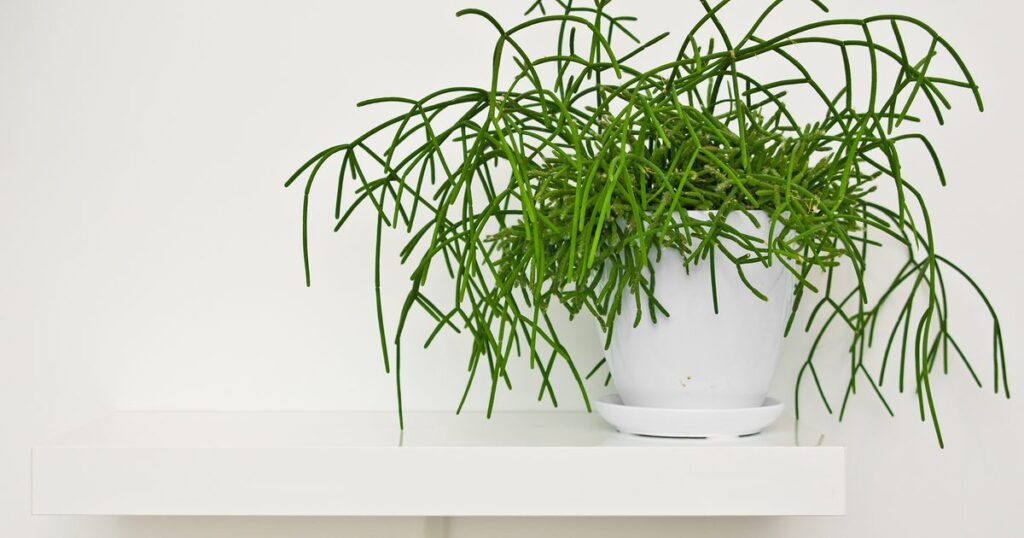
Are you looking for a unique and low-maintenance houseplant that can add a touch of elegance to your home or office? Look no further than the Rhipsalis cactus! This beautiful plant has been gaining popularity in recent years, and for good reason. With its striking appearance, ease of care, and numerous health benefits, it’s no wonder why Rhipsalis is becoming a favorite among indoor gardeners.
What is a Rhipsalis?
A Rhipsalis cactus is a type of succulent that belongs to the Opuntia family. It is characterized by its long, thin stems with small spines and white or yellow flowers that bloom in the spring and summer months. Rhipsalis plants are native to Central and South America, Africa, Madagascar, and Sri Lanka, but can be found growing wild in many parts of the world.
Rhipsalis Varieties
There are over 40 species of Rhipsalis, each with its unique characteristics and growth habits. Some popular varieties include:
- Rhipsalis Baccifera: This variety produces white or yellow flowers that turn into red berries.
- Rhipsalis Capilliformis: Characterized by long, thin stems with numerous branches.
- Rhipsalis Cassutha: A climbing cactus with a green, shrub-like appearance and long stems.
- Rhipsalis Cereuscula: Features spineless stems and small white flowers.
How to Care for Your Rhipsalis
Caring for your Rhipsalis is relatively easy. Here are some basic tips:
- Lighting: Provide bright, indirect light for your Rhipsalis. East- or west-facing windows are ideal.
- Watering: Water sparingly during the winter months and more frequently during the summer months. Make sure not to overwater, which can lead to root rot.
- Temperature: Keep temperatures between 10°C and 25°C (50°F-77°F). Avoid placing your Rhipsalis near heating or cooling vents.
- Humidity: Maintain a moderate level of humidity around your plant. You can place the pot on a tray filled with water and pebbles to increase the humidity.
Potting Your Rhipsalis
When potting your Rhipsalis, it’s essential to use a well-draining potting mix to prevent waterlogged soil. Rinse the roots of the plant gently before repotting in the spring or summer months. Use a pot that is slightly larger than the previous one to give the roots room to grow.
Pruning Your Rhipsalis
Regular pruning is necessary to maintain the shape and size of your Rhipsalis. Prune back long stems, and trim off any dead or damaged leaves or branches. This will encourage new growth and prevent the plant from becoming leggy.
Common Problems with Rhipsalis
While Rhipsalis plants are generally low-maintenance, they can be susceptible to certain problems:
- Pests: Check for pests like mealybugs, spider mites, and scale. Isolate infected plants and treat them with insecticidal soap or neem oil.
- Root rot: Avoid overwatering, which can lead to root rot. If you notice any signs of root rot, such as soft or mushy stems, remove the affected plant from the soil and trim back any damaged roots.
Propagation
Rhipsalis plants can be propagated through offsets or cutting off sections of stems. This is a great way to share your Rhipsalis with friends or create new plants for yourself. To propagate by offset, wait until the offsets have developed their own roots. Then, gently twist the plant away from the mother plant and pot it in well-draining soil.
Tips for Growing Multiple Rhipsalis
If you’re looking to grow multiple Rhipsalis, here are some tips:
- Space them out: Make sure to leave enough space between each plant to allow for proper air circulation and sunlight penetration.
- Use a trellis: If you want to train your Rhipsalis to climb, use a trellis or stake to provide support.
- Prune regularly: Regular pruning will help keep your Rhipsalis looking its best and prevent it from becoming leggy.
Where to Buy Rhipsalis
Rhipsalis plants are widely available at nurseries, garden centers, and online retailers. You can also find them on Amazon, where you can purchase a variety of species and cultivars.
Conclusion
The Rhipsalis cactus is an excellent choice for beginners looking to add some greenery to their home or office. With proper care, these beautiful plants can thrive and provide a unique touch to any space. By following the tips outlined in this article, you’ll be well on your way to becoming a successful Rhipsalis parent.
FAQs
- Q: Can I grow Rhipsalis indoors?
A: Yes, Rhipsalis can thrive indoors with proper care and lighting. - Q: How often should I water my Rhipsalis?
A: Water your Rhipsalis sparingly during the winter months and more frequently during the summer months. - Q: Can I propagate my Rhipsalis?
A: Yes, you can propagate your Rhipsalis by removing offsets or cutting off sections of stems.
Advanced Care for Rhipsalis
If you’re looking to take your Rhipsalis care to the next level, here are some advanced tips:
- Soil pH: Maintain a slightly acidic soil pH between 6.0 and 7.0.
- Fertilization: Feed your Rhipsalis with a balanced fertilizer during the growing season (spring and summer).
- Pest control: Use insecticidal soap or neem oil to treat pests like mealybugs, spider mites, and scale.
By following these advanced care tips, you’ll be able to keep your Rhipsalis thriving and healthy for years to come.


