
Introduction
Rheumatoid arthritis (RA) is a chronic inflammatory disorder that affects the joints, causing pain, stiffness, and limited mobility. Diagnosing RA can be challenging, and it’s essential to seek medical attention from an experienced rheumatologist. In this article, we will explore the symptoms, diagnostic criteria, and testing methods for RA.
What is Rheumatoid Arthritis?
RA is a systemic disease that causes inflammation in the joints, leading to damage and destruction of the cartilage and bone. The exact cause of RA is unknown, but it’s believed to be an autoimmune disorder where the body’s immune system mistakenly attacks healthy tissues. This results in the production of autoantibodies, which target the lining of the joints (synovium) and lead to inflammation.
Symptoms of Rheumatoid Arthritis
While symptoms can vary from person to person, common signs include:
- Pain and stiffness in the joints, especially in the hands, feet, wrists, and knees
- Swelling and redness in the affected joints
- Morning stiffness that lasts for more than an hour
- Loss of function in the affected joints
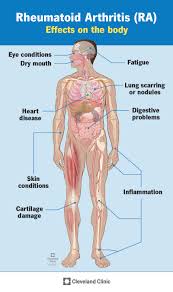
- Fatigue and general feeling of unwellness
In addition to these symptoms, some people with RA may experience:
- Skin rashes or lesions
- Eye problems, such as dry eyes or blurred vision
- Joint deformities or misalignment
- Muscle weakness or wasting
- Loss of appetite or weight loss
It’s essential to note that RA can affect anyone, regardless of age or sex. However, women are more likely to develop RA, especially between the ages of 40 and 60.
Diagnosing Rheumatoid Arthritis
A diagnosis of RA is typically made by a rheumatologist based on a combination of clinical evaluation, medical history, and laboratory tests. The following criteria must be met for a definitive diagnosis:
- Symmetrical joint involvement (same joints affected on both sides of the body)
- Morning stiffness that lasts for more than an hour
- Joint pain or tenderness, especially in the hands, feet, wrists, and knees
The rheumatologist will also consider other conditions that may cause similar symptoms, such as osteoarthritis or lupus.
Testing Methods for RA
Several laboratory tests are used to diagnose RA, including:
- Fibrinogen test: Measures the level of fibrinogen in the blood, which can indicate inflammation.
- VES (Vasculitis-Associated Serum) test: Tests for the presence of antibodies associated with vasculitis, a condition that can occur alongside RA.
- Component of complement (C3, C4, and anti-C1Q) tests: Measures the level of complement proteins in the blood, which can indicate inflammation.
- Urine analysis: Checks for abnormal protein or glucose levels in the urine.
- ANA (anticorps anti-nucleo) test: Tests for the presence of antibodies against nuclear components.
Imaging studies, such as X-rays and ultrasound, may also be used to assess joint damage and inflammation.
Nodules and Other Diagnostic Criteria
The following nodules are indicative of RA:
- Noduli reumatoidi: Small, firm lumps that can form on the skin over joints.
- Sindrome di Caplan: Rare condition where nodules form in various organs, including the eye, heart, or lungs.
In addition to these diagnostic criteria, the rheumatologist may also consider other factors, such as:
- Family history of RA
- Presence of other autoimmune disorders
- History of joint injuries or surgeries
Early Diagnosis and Treatment
Early diagnosis is crucial for effective treatment. Rheumatologists use a combination of clinical evaluation, laboratory tests, and imaging studies to diagnose RA. Treatment options include medications, lifestyle modifications, and physical therapy.
Medications may be used to control inflammation, pain, and symptoms. Common treatments for RA include:
- Disease-modifying antirheumatic drugs (DMARDs): Medications that slow down joint damage and reduce inflammation.
- Biologics: Medications that target specific proteins involved in the inflammatory process.
- Corticosteroids: Medications that reduce inflammation and suppress the immune system.
Lifestyle Modifications
In addition to medications, lifestyle modifications can help manage RA symptoms. These include:
- Exercise programs: Regular exercise can improve joint mobility and strength.
- Dietary changes: Eating a balanced diet rich in fruits, vegetables, and whole grains can help reduce inflammation.
- Stress management techniques: Stress can exacerbate RA symptoms; techniques like meditation or yoga can help manage stress.
Physical Therapy
Physical therapy can help improve joint mobility, strength, and function. A physical therapist can also teach exercises to maintain range of motion and prevent deformities.
Conclusion
Rheumatoid arthritis is a complex condition that requires proper diagnosis and treatment. By understanding the symptoms, diagnostic criteria, and testing methods for RA, individuals can take the first step towards managing their condition effectively. If you suspect you or a loved one may have RA, consult with a rheumatologist for personalized guidance and support.
FAQs
- What are the common symptoms of rheumatoid arthritis?
Common symptoms include pain and stiffness in the joints, swelling and redness, morning stiffness, and loss of function. - How is rheumatoid arthritis diagnosed?
A diagnosis is typically made by a rheumatologist based on clinical evaluation, medical history, and laboratory tests. - What are the diagnostic criteria for rheumatoid arthritis?
Symmetrical joint involvement, morning stiffness lasting more than an hour, and joint pain or tenderness are key criteria. - Can anyone develop rheumatoid arthritis?
Yes, RA can affect anyone, regardless of age or sex, but women are more likely to develop it between the ages of 40 and 60. - What is the role of nodules in diagnosing RA?
Nodules are indicative of RA, particularly noduli reumatoidi and syndrome di Caplan. - How early can rheumatoid arthritis be diagnosed?
Early diagnosis is crucial for effective treatment, typically within six months of symptom onset. - What is the treatment approach for rheumatoid arthritis?
Treatment options include medications, lifestyle modifications, and physical therapy. - Can RA be cured?
Currently, there is no cure for RA; however, with proper treatment and management, symptoms can be effectively managed and quality of life improved.
Common Complications of Rheumatoid Arthritis
While RA itself is a serious condition, complications can arise if left untreated or poorly managed. These include:
- Osteoarthritis: Wear and tear on the joints due to chronic inflammation.
- Fibrous ankylosis: Joint deformities and misalignment.
- Tumor formation: Rare complication where abnormal cell growth occurs in response to chronic inflammation.
Current Research and Future Directions
Researchers are continually working to develop new treatments and therapies for RA. These include:
- Stem cell therapy: Researchers are exploring the use of stem cells to repair damaged tissue and regenerate joints.
- Gene therapy: Gene editing techniques may help reduce or eliminate the production of autoantibodies.
- Biomarker development: Identifying specific biomarkers can help diagnose RA earlier and more accurately.
While these developments hold promise, it’s essential to consult with a healthcare professional for personalized guidance and support.


