
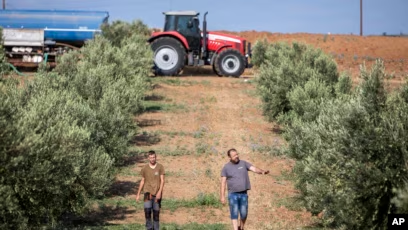
Can we imagine a future where humans leave cities behind and return to the countryside? Today, we read about excessive urbanization and cementification of the territory. We might soon be forced to “clean up” cemented territories and transform them into land. This is not far from the reality in Athens, Greece, where a group of farmers has transformed an old airport into a community garden.
The former Athens Airport was expanded in 2004, coinciding with the Olympic Games. In the years that followed, various projects were proposed to create a public park. However, these projects were replaced by more profitable ventures. The Athenians would have no public park; instead, they would get another slab of cement. It was then that a group of local residents, armed with rakes and seeds, took matters into their own hands and created a community garden.
The Athens Community Garden is an effective example of ecological response to the crisis. In Greece, the situation is tragic, with the population losing trust in institutions and global revitalization projects. As a result, the people are looking for local solutions, and this community garden seems like just the beginning.
Despite threats and police pressure, the residents are determined to continue the community garden. It appears that the former Athens Airport is not the only example of an urban community garden. The Athenians have already created other green spaces in the city, sometimes peacefully and quietly, and at other times after protests and broken promises by the Greek government.
As the country fears being excluded from the European Union, it’s the people who are making a difference with small strategies to return to agriculture; Greece might be an excellent model for us Italians.
The Rise of Urban Agriculture
In recent years, urban agriculture has become increasingly popular. Cities like Athens, where space is limited and resources are scarce, have seen a rise in community gardens and rooftop farms. These initiatives aim to provide fresh produce to local residents while also promoting sustainable living and environmental awareness.
Urban agriculture can be seen as a response to the economic crisis that has affected Greece. By growing their own food, people are taking control of their lives and becoming more self-sufficient. The Athens Community Garden is an example of this trend, where community members come together to create a shared space for farming and socializing.
The rise of urban agriculture is not limited to Greece; it’s a global movement that has gained momentum in recent years. Cities like New York, London, and Tokyo have all seen a surge in community gardens and rooftop farms. However, the challenges faced by urban farmers are often unique to their specific context. In Athens, for example, the lack of land and infrastructure presents significant obstacles.
The Benefits of Urban Agriculture
Urban agriculture offers several benefits that make it an attractive alternative to traditional farming methods. For one, it allows residents to have more control over what they eat and how it’s produced. By growing their own food, people can choose organic and sustainable methods that align with their values.
Urban agriculture also promotes community engagement and social cohesion. Community gardens provide a shared space for residents to come together, share knowledge, and build relationships. This can be particularly important in urban areas where social connections are often limited.
Furthermore, urban agriculture can help address food security concerns. By providing fresh produce to local residents, community gardens can help ensure that people have access to healthy and nutritious food. This is particularly important in cities where food deserts and lack of green spaces can exacerbate health problems.
The Story Behind the Athens Community Garden
The transformation of the former airport into a community garden was not without its challenges. Initially, the site was intended for urban development, but local residents and activists fought against it. They saw the opportunity to reclaim public space and create something positive for their community.
In 2010, a group of residents decided to take matters into their own hands. Armed with seeds, rakes, and determination, they began transforming the abandoned airport into a garden. The project was initially met with skepticism by local authorities, but eventually, the community won over the support of the city council.
The story of the Athens Community Garden highlights the power of grassroots activism. By taking control of their space, residents were able to create something positive and sustainable in the face of adversity. This is a testament to the resilience and determination of the Greek people.
A Model for Sustainability
The Athens Community Garden has become an iconic symbol of sustainability in Greece. By growing their own food, residents are reducing their carbon footprint and dependence on industrial agriculture. The garden also serves as a hub for social activity, where people can come together to share knowledge, skills, and experiences.
This model of urban agriculture could be replicated in other cities across the world. It highlights the potential of community-led initiatives to address environmental challenges and promote sustainable living. As we face growing concerns about climate change, food security, and public health, the Athens Community Garden offers a valuable lesson: that small actions can add up to make a big difference.
Lessons from Greece
Greece’s experience with urban agriculture can teach us several valuable lessons. Firstly, community-led initiatives are essential for creating sustainable solutions. When residents take ownership of their space, they become more invested in its maintenance and upkeep. Secondly, we need to rethink our relationship with food production and consumption. By growing our own food, we can reduce our reliance on industrial agriculture and promote healthier eating habits.
Lastly, the story of the Athens Community Garden reminds us that even small actions can lead to significant changes. In a world where big corporations often dominate decision-making processes, it’s refreshing to see a community come together to create something positive. As we strive for sustainability and environmental protection, let’s take note of Greece’s innovative approach to urban agriculture.
The Future of Urban Agriculture
As cities continue to grow and urbanize, the need for sustainable food production will only increase. Urban agriculture has the potential to play a significant role in addressing this challenge. By replicating models like the Athens Community Garden, we can create more community-led initiatives that promote sustainability and environmental awareness.
This could involve creating rooftop farms, green spaces in public parks, or even vertical gardens within urban buildings. The possibilities are endless, but one thing is certain: by working together to create a more sustainable future, we can make a real difference.
Challenges Facing Urban Agriculture
Despite the potential of urban agriculture, there are several challenges that need to be addressed. One major challenge is the lack of resources and infrastructure. Many cities struggle with limited space, inadequate water supply, and poor soil quality.
Another challenge is the regulatory environment. In many cities, there are strict laws and regulations governing land use and zoning. This can make it difficult for residents to establish community gardens or rooftop farms.
Finally, there is also the issue of social acceptance. Some residents may be hesitant to adopt sustainable practices or may view urban agriculture as a threat to traditional farming methods.
Conclusion
The story of the Athens Community Garden is a testament to the power of community-led initiatives. By transforming an abandoned airport into a vibrant garden, the residents of Athens have created something truly special. As we strive for sustainability and environmental protection, let’s learn from their example and apply it to our own cities.
By growing our own food, promoting sustainable living, and taking control of our lives, we can create a better future for ourselves and for generations to come. The Athens Community Garden is an inspiring model that shows us the potential of urban agriculture to transform communities and promote positive change.
Recommendations for Urban Agriculture
Based on the success of the Athens Community Garden, there are several recommendations for promoting urban agriculture:
- Community Engagement: Encourage community engagement and participation in urban agriculture initiatives. This can involve establishing community gardens, hosting workshops and training programs, or providing resources and support to residents.
- Infrastructure Development: Invest in infrastructure development that supports urban agriculture. This can include creating green spaces, building rooftop farms, or installing irrigation systems.
- Regulatory Reform: Reform regulatory frameworks to support urban agriculture. This can involve relaxing zoning laws, streamlining permitting processes, or providing tax incentives for sustainable farming practices.
- Education and Training: Provide education and training programs that promote sustainable agriculture practices and community engagement.
By following these recommendations, we can create a more sustainable future for ourselves and for generations to come.
Conclusion
The Athens Community Garden is an inspiring example of urban agriculture in action. By growing their own food, promoting sustainable living, and taking control of their lives, residents have created a better future for themselves and for generations to come.
As we look to the future, it’s clear that urban agriculture will play a critical role in addressing environmental challenges and promoting sustainability. By learning from the example of Athens and replicating its success, we can create more community-led initiatives that promote sustainable living and environmental awareness.
The story of the Athens Community Garden is just the beginning of a new era of urban agriculture. Let’s continue to inspire and support each other as we work towards creating a more sustainable future for all.


