
Retinol, a term that has been used in cosmetics for years, but not everyone is familiar with its true nature and benefits. Let’s dive into what retinol is, where it comes from, and how it can help combat signs of aging and improve skin health.
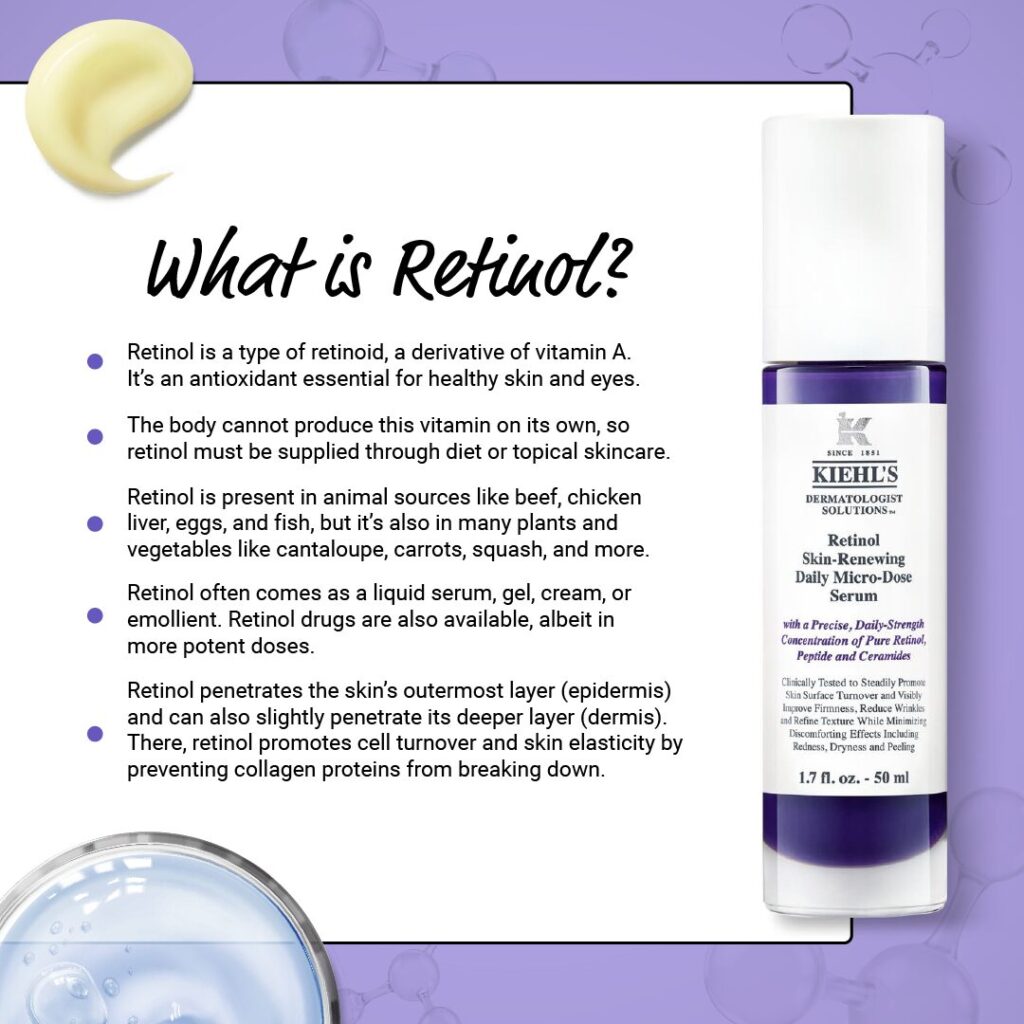
What is Retinol?
Retinol is a form of vitamin A that has been widely used in skincare products to combat signs of aging and promote healthy skin. It’s not just limited to cosmetics; retinol also plays a crucial role in maintaining overall health, particularly during pregnancy.
The Science Behind Retinol
Retinol works by neutralizing the molecule that triggers the formation of free radicals, which can lead to cell damage and premature aging. By promoting cellular turnover, retinol helps to eliminate dead cells, reduce melanin accumulation, and reveal a brighter, more even-toned complexion.
The Role of Retinol in Skin Cell Turnover
Skin cell turnover is an essential process that occurs every 28 days, where old skin cells are replaced by new ones. However, as we age, this process becomes less efficient, leading to the accumulation of dead skin cells and dullness on the surface. Retinol plays a crucial role in regulating this process by promoting the proliferation and differentiation of skin cells.
How Does Retinol Work to Reduce Fine Lines and Wrinkles?
Fine lines and wrinkles are caused by repeated muscle contractions, which lead to the formation of creases on the skin’s surface. Retinol helps reduce their appearance by:
- Increasing collagen production: Collagen is a protein that provides structure and elasticity to the skin.
- Improving skin texture: By promoting cellular turnover, retinol helps create a smoother, more even-toned complexion.
- Reducing melanin accumulation: Excess melanin can lead to dark spots and hyperpigmentation.
The Benefits of Using Retinol in Anti-Aging Skincare
Retinol is an effective ingredient for anti-aging skincare due to its ability to:
- Stimulate collagen production
- Improve skin texture and tone
- Reduce fine lines and wrinkles
- Fade age spots and hyperpigmentation
The Risks Associated with Using Retinol
While retinol is generally considered safe, there are some risks associated with its use:
- Redness and irritation: Retinol can cause redness and irritation in some individuals.
- Sensitivity to the sun: Skin treated with retinol products should be protected from the sun using a broad-spectrum sunscreen.
Retinolo in Gravidanza: Is it Safe?
During pregnancy, it’s crucial to maintain adequate levels of vitamin A to support fetal development. Retinol is a natural source of this essential nutrient, found in animal-based products and certain fruits and vegetables.
Vitamina e Retinolo: What’s the Connection?
Retinol is derived from vitamin A, but there’s another form of this vitamin that requires medical prescription – acido retinoico. While related, these two forms have distinct properties and uses:
- Vitamin A: Found in plant-based foods and used for its nutritional benefits.
- Acido retinoico (Retinoic acid): Used topically to treat various skin conditions, including acne and psoriasis.
Precautions When Using Retinol
Before using retinol products, consider the following precautions:
- Patch test: Perform a patch test on a small area of your skin before applying retinol products.
- Start with low frequency: Begin with a low frequency (2-3 times a week) and gradually increase as your skin becomes more tolerant.
- Use sunscreen: Protect your skin from the sun using a broad-spectrum sunscreen, especially when using retinol products.
Conclusion: Unlocking the Power of Retinol
In conclusion, retinol is a powerful tool for anti-aging and skin care. By understanding its properties, uses, and potential risks, you can harness its full potential to achieve healthier, more radiant skin.
Frequently Asked Questions (FAQs)
- Q: What are the benefits of using retinol?
A: Retinol helps combat signs of aging, promotes cellular turnover, reduces melanin accumulation, and improves skin texture. - Q: Is retinol safe to use during pregnancy?
A: Yes, retinol is a natural source of vitamin A, essential for fetal development during pregnancy. - Q: Can I use retinol if I have acne?
A: Yes, retinol can help reduce inflammation and prevent clogged pores, but use it in moderation to avoid irritation. - Q: How do I choose the right retinol product for my skin type?
A: Look for products with gentle, gradual releases of retinol to minimize redness and sensitivity. - Q: Can I find retinol in plant-based foods?
A: Yes, vitamin A is present in fruits and vegetables with yellow or orange hues. - Q: How often should I use retinol?
A: Start with a low frequency (2-3 times a week) and gradually increase as your skin becomes more tolerant. - Q: Can I mix retinol with other skincare products?
A: Be cautious when combining retinol with other active ingredients, as this may increase the risk of irritation or adverse reactions. - Q: How long does it take to see results from using retinol?
A: Results can vary, but consistent use over time (several weeks or months) can lead to noticeable improvements in skin texture and appearance.
By understanding the power of retinol and its applications in skincare, you can unlock a brighter, more radiant complexion and achieve healthier skin overall.


