
As we move forward in this century, it has become increasingly clear that our actions have a profound impact on the environment. The last few decades have seen an alarming increase in greenhouse gas emissions, which have led to devastating consequences for our planet. It is imperative that we take responsibility for our actions and work towards creating a more sustainable future.
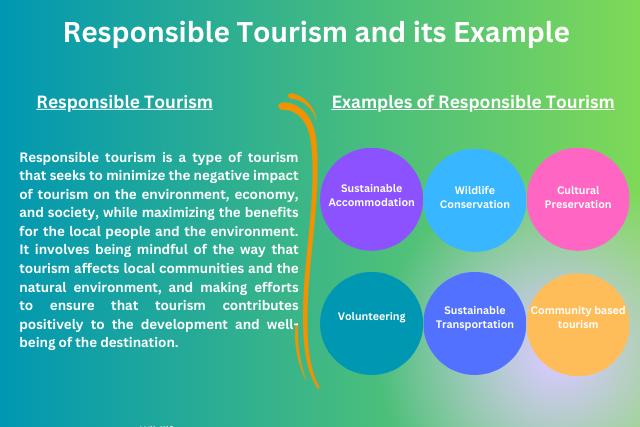
One of the most effective ways to do this is through sustainable tourism. This approach prioritizes environmental conservation, cultural sensitivity, and social responsibility, ensuring that tourism benefits local communities while minimizing harm to the environment. As the demand for eco-friendly travel experiences grows, tour operators are beginning to take notice, offering itineraries with lower environmental impact.
However, the road to sustainability is long and arduous. Centuries of unchecked development have left many tourist destinations at risk. It’s a daunting task, but one that requires collective action. In this article, we’ll explore the importance of sustainable tourism, highlighting initiatives and practices that can help reduce our ecological footprint while preserving biodiversity.
The Importance of Sustainable Tourism
Sustainable tourism is not just a buzzword; it’s a necessity for protecting the environment and preserving biodiversity. The tourism industry is responsible for an estimated 8% of global greenhouse gas emissions, with air travel alone contributing to over 2% of those emissions. To put this into perspective, if we were to travel by air in the same way as we do today, our planet would be unrecognizable by the mid-21st century.
The consequences of our actions are far-reaching and devastating. Habitat destruction, pollution, and climate change have all taken a toll on the world’s natural wonders. It’s time for us to take responsibility and work towards creating a more sustainable future.
Initiatives and Practices
So, what can we do to make tourism more sustainable? Here are some initiatives and practices that tour operators, hotels, and travelers can adopt:
- Low-impact activities: Choose tours and activities that have minimal environmental impact. Avoid those that involve large amounts of fuel or energy consumption.
- Support local businesses: By supporting local businesses, you’re investing in the local economy and helping to preserve cultural heritage.
- Reduce waste: Bring a reusable water bottle and coffee cup to minimize plastic waste.
- Use public transport: Instead of renting a car or taking taxis, use public transport to reduce emissions.
- Offset carbon emissions: Consider offsetting your carbon emissions by investing in renewable energy projects.
Challenges Ahead
While there are many initiatives underway, there is still much work to be done. One of the biggest challenges facing sustainable tourism is the increasing demand for exotic experiences. This has led to the development of “extreme tourism” activities such as shark cage diving and skydiving over glaciers.
These activities not only pose a risk to local ecosystems but also perpetuate negative stereotypes about cultures and environments. It’s time for us to rethink our priorities and focus on responsible travel practices that benefit both people and the planet.
A Decalogue for Sustainable Tourism
So, how can you become a more responsible traveler? Here are ten tips to get you started:
- Choose eco-friendly tour operators: Select tour operators that prioritize environmental conservation and sustainable practices.
- Research local needs: Before your trip, research the local community’s needs and preferences.
- Support local businesses: Invest in local businesses and communities to help preserve cultural heritage.
- Reduce plastic waste: Bring reusable bags, water bottles, and coffee cups to minimize plastic waste.
- Use public transport: Choose public transport or walk whenever possible to reduce emissions.
- Avoid single-use plastics: Refuse single-use plastics such as straws, cutlery, and bags.
- Offset carbon emissions: Consider offsetting your carbon emissions by investing in renewable energy projects.
- Respect local customs: Be mindful of local customs and traditions, avoiding behaviors that may be considered intrusive or disrespectful.
- Support conservation efforts: Donate to local conservation efforts or participate in community-based initiatives.
- Educate yourself: Continuously educate yourself on sustainable tourism practices and their impact on the environment.
Real-World Examples
Sustainable tourism is not just a concept – it’s being put into practice around the world. Here are some real-world examples:
- The Maldives has implemented a sustainable tourism policy, which includes measures to reduce plastic waste and protect marine life.
- Costa Rica has made significant strides in eco-tourism, with over 25% of its land protected as national parks and wildlife refuges.
- New Zealand’s Department of Conservation has launched a range of initiatives to promote sustainable tourism and conservation.
Conclusion
Sustainable tourism is not just a trend; it’s a necessity for protecting the environment and preserving biodiversity. By adopting responsible travel practices, we can reduce our ecological footprint while supporting local communities. It’s time for us to take responsibility for our actions and work towards creating a more sustainable future.
Remember, every small action counts, and collective action can lead to significant positive change. As travelers, we have the power to shape the tourism industry and create a more sustainable future for all.
Anna De Simone


