
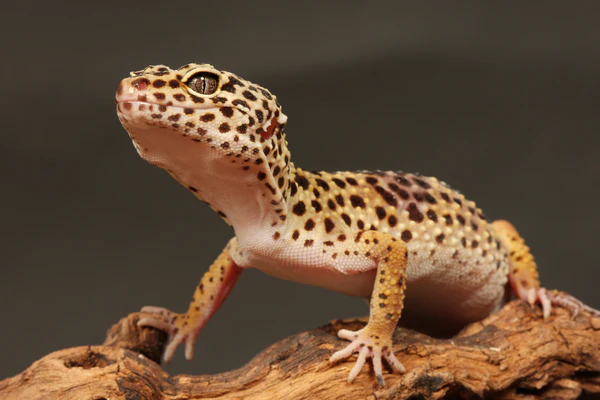
Are you thinking of bringing a new pet into your home, but don’t know where to start? Perhaps you’re not ready for the responsibilities of dogs or cats, or maybe you’re just curious about keeping reptiles as pets. Whatever the reason, in this article, we’ll explore the world of domesticated reptiles and discuss which species are easiest to care for at home.
Understanding Domesticated Reptiles
Before we dive into the specifics of caring for domesticated reptiles, let’s take a step back and define what exactly these animals are. Unlike dogs and cats, which have been bred for thousands of years as companions, reptiles are wild species that have adapted to living in their natural habitats. While they can thrive in captivity with proper care, it’s essential to remember that domesticated reptiles are still quite different from traditional pets.
Domesticated reptiles require specific conditions to survive, such as temperature, humidity, and lighting. They also have unique dietary needs, which can be challenging to meet for inexperienced pet owners. However, with the right knowledge and equipment, keeping a reptile as a pet can be a rewarding experience.
Reptiles and CITES Regulations
As we consider bringing a reptile into our homes, it’s crucial to familiarize ourselves with the current regulations surrounding exotic pet ownership. The Convention on International Trade in Endangered Species (CITES) is an international agreement established in 1979 aimed at protecting endangered species. If you’re thinking of adopting a reptile, it’s vital to research whether your chosen species is protected and if so, what requirements must be met to obtain the necessary authorization.
In some cases, owning certain reptiles may also require reporting their presence to local authorities, such as the Animal and Plant Health Agency (APHA), and obtaining specific health certificates. These regulations vary depending on your location, so it’s essential to research local laws and guidelines before making a purchase or adopting a reptile.
Easiest Reptiles to Care for at Home
So, which reptiles are considered easiest to care for at home? Three popular options include:
- Green Iguanas
- Tortoises
- Chameleons
While all three of these species require proper housing, diet, and care, some are more beginner-friendly than others.
Green Iguanas: The Large-Scale Companion
One of the most recognizable reptiles is the green iguana. These animals can grow up to two meters in length, making them a significant commitment for any owner. With their impressive size comes substantial space requirements, temperature and humidity demands, and specialized lighting needs.
As an omnivore, green iguanas require a balanced diet that includes fruits, vegetables, leaves, and insects. Younger iguanas need more food than adults, but feeding can be tricky to get right. Green iguanas are also known to be intelligent animals, requiring mental stimulation and exercise outside of their enclosure.
Tortoises: The Long-Term Responsibility
Tortoises are often considered a low-maintenance pet option due to their slower growth rate and longer lifespan (up to 80 years in captivity). However, some species of tortoises, such as land tortoises, are protected by law and require special permits. It’s essential to research local regulations regarding tortoise ownership before making an adoption.
To keep a tortoise happy and healthy, you’ll need to provide a suitable habitat that meets their specific needs. Failure to do so can result in fines or confiscation of the animal. Researching your chosen species’ requirements is essential to ensure a long-term, stress-free relationship with your pet.
Chameleons: The Colorful Conundrum
Keeping chameleons at home requires attention to detail, as these animals have unique lighting, humidity, and temperature demands. To mimic their natural environment, specialized lamps that emit both UVA and UVB radiation are necessary for metabolic activity and vitamin D absorption.
Chameleons also require a humid environment (50-80%) and specific watering techniques using demineralized water, similar to rainwater. Providing adequate space in the enclosure is also essential, as chameleons can grow quite large. Chameleons are also known for their unique ability to change color, making them a popular choice among reptile enthusiasts.
Where to Find Reptiles
When considering bringing a reptile into your home, it’s crucial to seek advice from authorized breeders or specialized pet stores. These experts can guide you on how to care for these animals properly and provide valuable insights into their needs and personalities.
Additionally, regular check-ups with veterinarians specializing in exotic animals will ensure your pet stays healthy and happy. Be sure to also research local laws and regulations regarding reptile ownership before making a purchase or adoption.
Conclusion
Domesticated reptiles can make fascinating pets, but they require dedication and respect. By understanding the regulations surrounding exotic pet ownership and choosing species that fit your lifestyle, you can enjoy a rewarding relationship with your scaly companion. Remember to prioritize the animal’s well-being above all else, as their health and happiness depend on it.
Frequently Asked Questions
Q: What are some common domesticated reptiles?
A: Some of the most popular domesticated reptiles include green iguanas, tortoises, chameleons, bearded dragons, geckos, and anoles.
Q: Which reptile is easiest to care for at home?
A: While all three (green iguana, tortoise, and chameleon) require proper care, many experts agree that tortoises are one of the more beginner-friendly options due to their slower growth rate and longer lifespan.
Q: How do I find a reputable breeder or pet store?
A: Look for licensed breeders or pet stores with good reputations online. Research their reviews, ratings, and ask questions before making a purchase.
Q: What regulations should I be aware of when owning exotic pets?
A: Familiarize yourself with local laws and guidelines regarding exotic pet ownership, as well as international agreements such as CITES.
Q: How often should I feed my reptile?
A: The feeding frequency will depend on the species, age, and diet requirements. Consult a veterinarian or breeder for personalized advice.
Q: What is the recommended temperature range for most reptiles?
A: Most reptiles require temperatures between 75°F to 95°F (24°C to 35°C), with some species having specific needs.
Q: Can I handle my reptile frequently?
A: Some reptiles, like bearded dragons and geckos, are friendly and enjoy human interaction. However, it’s essential to research your pet’s individual personality before handling.
Q: What is the average lifespan of a domesticated reptile?
A: The lifespan varies depending on the species, but some can live up to 50 years or more in captivity.
Q: How do I provide humidity for my reptile?
A: Most reptiles require a humid environment (50-80%), which can be achieved using misting systems, water bowls, and specialized enclosures.


