
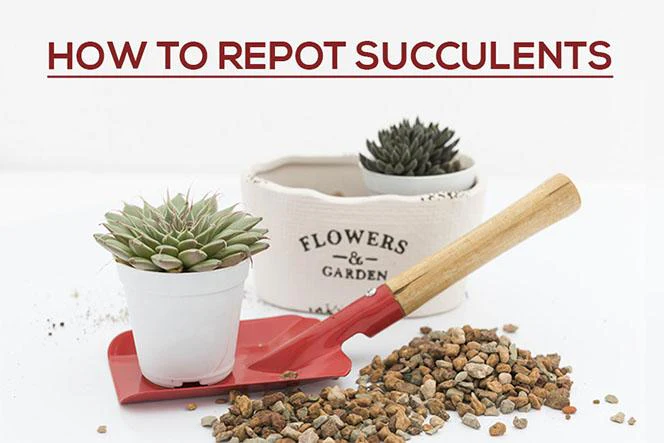
As a succulent enthusiast, you know how important it is to replant your faves at the right time. In our previous article, “How to Repot Succulents,” we covered the essentials of choosing the right soil, calculating vase size, and selecting the perfect time for replanting. Now, let’s dive into the nitty-gritty of replanting succulents, step by step.
The Importance of Replanting Succulents
Repotting succulents allows them to grow and thrive in a larger pot, providing more room for their roots to spread out. It also gives you the opportunity to refresh the soil and provide your plant with the right environment to flourish. Over time, the roots of your succulent can become constricted, leading to stunted growth and decreased health. Replanting allows you to give your succulent a fresh start, promoting healthy growth and vibrant colors.
When to Repot Succulents
The ideal time to replant succulents depends on several factors, including the type of succulent, its size, and environmental conditions. Generally, it’s best to repot succulents in the spring or summer when they are actively growing. This allows for optimal root growth and ensures that your plant is well-established before moving into a new pot.
Step-by-Step Guide to Replanting Succulents
Follow these steps to successfully replant your succulent:
-
Prepare Your Tools
Before you start, make sure you have the following tools at your disposal:- A pair of gloves (we recommend carpenter’s gloves)
- A newspaper or paper towel for protection
- A vase with fresh soil
- Water
-
Remove the Plant from its Vase
Gently slide the succulent out of its vase, taking care not to damage any of its delicate leaves or stems. If the plant has spines, be extra cautious and consider wearing gloves to protect yourself. -
Inspect and Clean the Roots
Inspect the roots for any signs of pests or disease. If you find any issues, treat them with a solution of equal parts water and alcohol. For more serious problems, consult a local nursery or gardening expert. -
Trim Damaged Roots (Optional)
If your succulent has damaged or rotting roots, trim them off with a sterile knife or pruning tool. Discard the affected areas to prevent the spread of disease. -
Dry Out the Plant
For at least five days, keep the replanted succulent in a shaded and well-ventilated area. This will allow any remaining moisture to evaporate and help prevent root rot. -
Prepare the New Vase
Fill your new vase with fresh soil, leaving enough room for the plant’s roots to grow. Water the soil lightly before placing the succulent inside. -
Plant the Succulent
Gently place the succulent in its new home, making sure the crown (where the leaves meet the stem) is at the same level as it was in the original vase. Fill in any gaps with more soil, and gently firm it down to prevent air pockets from forming. -
Secure the Plant
To prevent the plant from toppling over or developing uneven growth, you can use a toothpick or small stick to hold the soil in place around the roots.
Tips for Replanting Succulents
- Use a well-draining potting mix specifically designed for cacti and succulents.
- Avoid overwatering during the initial repotting process.
- Keep the replanted succulent away from direct sunlight until it has adjusted to its new environment.
- Monitor your plant’s health closely after replanting, watching for signs of root rot or other issues.
Common Mistakes to Avoid
- Not providing enough room for the roots to grow in the new pot.
- Overwatering during the initial repotting process.
- Not drying out the plant before moving it to its new home.
- Using a pot that is too large or too small for the succulent.
Conclusion
Repotting succulents is an essential part of their care routine. By following these step-by-step instructions, you can ensure your faves receive the proper environment they need to thrive. Remember to be patient and let the plant settle into its new home before watering again. With practice and experience, you’ll become a pro at replanting succulents and enjoy the rewards of healthy, thriving plants.
Frequently Asked Questions
- Q: How often should I replant my succulents?
A: Succulents typically need to be repotted every 2-3 years as their roots outgrow their containers. - Q: What type of soil is best for succulents?
A: Choose a well-draining potting mix specifically designed for cacti and succulents, containing ingredients like perlite or sand. - Q: Can I replant succulents in the same container?
A: It’s not recommended to replant succulents in the same container too frequently, as this can lead to root rot and other issues. - Q: How do I prevent root rot when replanting?
A: Ensure your new pot has good drainage holes, water sparingly during the initial repotting process, and maintain a clean environment. - Q: Can succulents be grown indoors?
A: Absolutely! Succulents are perfect for indoor environments with bright light and infrequent watering.
Conclusion
Replanting succulents is an art that requires patience, care, and attention to detail. By following these step-by-step instructions and avoiding common mistakes, you can ensure your succulents thrive in their new homes. Whether you’re a seasoned succulent enthusiast or just starting out, replanting succulents is an essential part of their care routine. Happy planting!


