
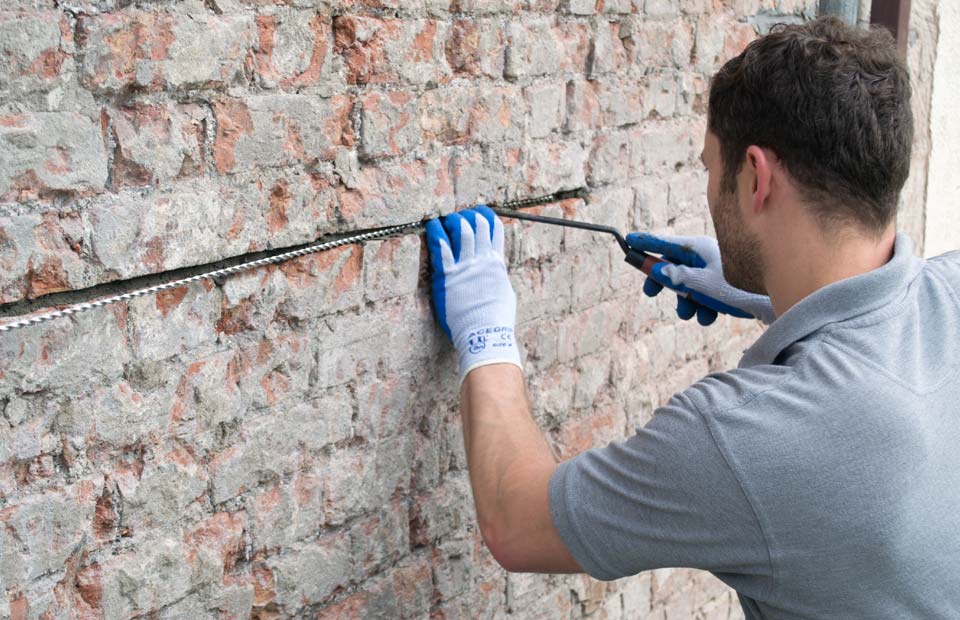
As a homeowner, it’s not uncommon to notice cracks and crevices on your walls. While they may seem like a minor issue, ignoring them can lead to more significant problems down the line. In this article, we’ll delve into the world of wall repairs and provide you with the knowledge and tools needed to fix those pesky cracks and crevices.
What are Cracks in Your Wall?
A crack in your wall is a small opening or fissure that can appear on the surface of the drywall, plaster, or other materials. These cracks can be caused by various factors, including:
- Water damage
- Settling foundation
- Thermal expansion and contraction
- Poor construction or maintenance
When to Be Concerned?
While minor cracks may not pose an immediate threat, more significant issues can arise if left unchecked. Here are some scenarios that warrant attention:
- If the crack is deep or wide enough to expose wiring or pipes
- If the crack is accompanied by water damage, mold, or mildew
- If you notice a significant change in your home’s structure or foundation
Assessing the Situation
Before attempting any repairs, take a closer look at the crack and assess the situation. Ask yourself:
- How long has the crack been present?
- Is it confined to one area or widespread?
- Are there any signs of water damage or other issues?
By understanding the extent of the problem, you can determine the best course of action for repairs.
Repairing Cracks in Your Wall
The repair process typically involves three steps:
- Assessment and preparation: Clean the area around the crack and remove any loose debris.
- Filling and finishing: Apply a filler material (such as spackling compound or caulk) to the crack, followed by sanding and painting.
Tips and Considerations
When it comes to repairing cracks in your wall, there are several factors to keep in mind:
- Choose the right materials: Select fillers and paints that match the original material for a seamless finish.
- Don’t overfill: Avoid filling the crack too much, as this can lead to further damage or unevenness.
- Consider professional help: If you’re unsure about the extent of the problem or lack experience with repairs, consider consulting a professional contractor.
Common Types of Fillers and Materials
When it comes to repairing cracks in your wall, there are various fillers and materials available. Here are some common options:
- Spackling compound
- Caulk
- Drywall anchors
- Epoxy-based adhesives
Each has its unique properties and benefits, so choose the one that best suits your needs.
Preventing Future Cracks
While repairs can help address existing cracks, there are steps you can take to prevent future issues:
- Maintain a consistent temperature and humidity level
- Ensure proper ventilation and drainage
- Monitor for signs of water damage or other problems
By taking proactive measures, you can help extend the lifespan of your walls and prevent further damage.
Conclusion
Repairing cracks in your wall is a relatively simple process that requires attention to detail and the right materials. By understanding the causes, assessing the situation, and choosing the appropriate filler and paint, you can effectively address these issues and ensure your walls remain secure and beautiful for years to come.
If you have any further questions or concerns, please don’t hesitate to reach out. We’re here to help.
Frequently Asked Questions (FAQs)
Q: What causes cracks in my wall?
A: Cracks in your wall can be caused by various factors, including water damage, settling foundation, thermal expansion and contraction, and poor construction or maintenance.
Q: When should I be concerned about cracks in my wall?
A: If the crack is deep or wide enough to expose wiring or pipes, accompanied by water damage, mold, or mildew, or if you notice a significant change in your home’s structure or foundation, it’s best to address the issue promptly.
Q: How do I assess the situation before attempting repairs?
A: Before starting repairs, take a closer look at the crack and ask yourself questions like how long the crack has been present, is it confined to one area or widespread, and are there any signs of water damage or other issues.
Q: What’s the best way to fill cracks in my wall?
A: The best approach depends on the type of material and location of the crack. Common methods include applying spackling compound or caulk, followed by sanding and painting.
Q: How can I prevent future cracks in my wall?
A: Maintaining a consistent temperature and humidity level, ensuring proper ventilation and drainage, and monitoring for signs of water damage or other problems can help prevent future cracks.
Advanced Techniques for Repairing Cracks
In addition to the basic repair methods outlined above, there are more advanced techniques that may be necessary in certain situations:
- Drywall patching: For larger cracks or holes in drywall, use a drywall patching compound and mesh tape to create a sturdy repair.
- Plaster patching: For cracks or damage to plaster walls, apply a plaster patching compound and use a putty knife to smooth out the area.
- Painting: After filling and sanding the crack, paint the wall with a matching color to ensure a seamless finish.
Common Mistakes to Avoid
While repairing cracks in your wall can be a straightforward process, there are several common mistakes to avoid:
- Using the wrong materials: Choose fillers and paints that match the original material for a seamless finish.
- Overfilling or underfilling: Avoid filling the crack too much, as this can lead to further damage or unevenness.
- Not sanding properly: Sand the area thoroughly to ensure a smooth finish.
By being aware of these common mistakes and taking the time to assess the situation and choose the right materials, you can achieve professional-looking results from your wall repairs.
Conclusion
Repairing cracks in your wall is an essential part of maintaining the integrity and beauty of your home. By understanding the causes, assessing the situation, and choosing the appropriate filler and paint, you can effectively address these issues and ensure your walls remain secure and beautiful for years to come.
If you have any further questions or concerns, please don’t hesitate to reach out. We’re here to help.


