
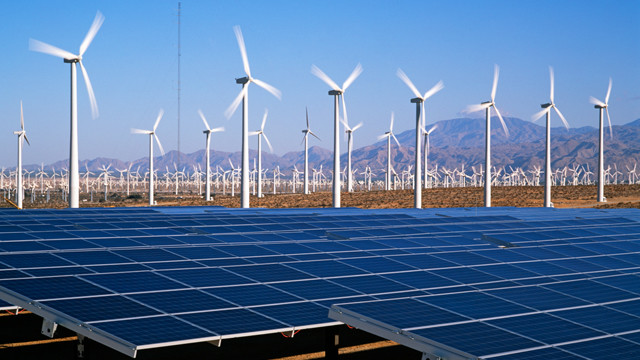
As we continue to rely on fossil fuels for energy, it’s essential to explore alternative sources that are sustainable and environmentally friendly. Renewable energy sources are natural and replenishable, producing energy that is converted in a short period of time.
Distinguishing Between Renewables and Non-Renewables
While often mentioned together, renewable energy sources and non-renewable ones have different characteristics. Renewable energy sources include solar, wind, geothermal, hydroelectric, oceanic, and biomass power, which produce electricity without emitting greenhouse gases or pollutants.
What Are Renewable Energy Sources?
Renewable energy sources are natural resources that can be replenished over time. They include:
- Solar energy: harnessed from the sun’s rays
- Wind energy: generated by wind movements
- Geothermal energy: produced by heat from the Earth’s core
- Hydroelectric energy: obtained from water flow in rivers and oceans
- Oceanic energy: derived from ocean currents, waves, and tides
- Biomass energy: created from organic matter
The Benefits of Renewable Energy Sources
Renewable energy sources offer several advantages over non-renewable sources. They include:
- Reduced greenhouse gas emissions: By switching to renewable energy sources, we can significantly reduce our carbon footprint and mitigate the impacts of climate change.
- Lower operational costs: The cost of operating renewable energy systems is often lower than traditional fossil fuel-based power plants.
- Improved air quality: Renewable energy sources produce no pollutants or greenhouse gases, improving air quality and public health.
- Increased energy independence: By harnessing local renewable resources, we can reduce our reliance on imported fuels and enhance energy security.
New and Emerging Renewable Energy Sources
Researchers are exploring new technologies to harness renewable energy sources. Some examples include:
- Advanced biomass conversion methods: These involve the use of enzymes, microorganisms, or other biological agents to convert biomass into biofuels or biochemicals.
- Bioraffination technologies: Bioraffination is a process that uses biocatalysts to convert biomass into valuable chemicals and fuels.
- Hot-dry-rock geothermal systems: This technology involves the use of hot water from deep underground reservoirs to generate electricity, with minimal environmental impact.
- Ocean thermal energy conversion (OTEC): OTEC harnesses the temperature difference between the warm surface waters and cold deep waters of the ocean to generate electricity.
Renewable Energy Sources in Italy
Italy has made significant progress in adopting renewable energy sources. In 2012, the country generated 92.2 terawatt-hours of electricity from renewables, accounting for 26.9% of its total energy demand. The Italian government has set ambitious targets to increase the share of renewable energy in the energy mix, with a goal of reaching at least 40% by 2030.
Concentrated Solar Power (CSP)
Italy is also investing heavily in Concentrated Solar Power (CSP) technology, which involves the use of mirrors or lenses to focus sunlight onto a heat exchanger, generating steam to drive a turbine and produce electricity. CSP systems can store energy during periods of low solar radiation, making them an attractive option for countries with variable solar resources.
Wind Power in Italy
Italy has also made significant investments in wind power, which is now one of the country’s largest sources of renewable energy. Wind turbines are being installed across the country, particularly in coastal regions where the sea breeze can provide a consistent and reliable source of wind energy.
Hydroelectric Energy in Italy
Italy has an extensive network of rivers and lakes, making it an ideal location for hydroelectric power generation. Hydroelectric dams are being built or upgraded across the country, with the aim of increasing the share of hydroelectric energy in the energy mix.
Oceanic Energy in Italy
Italy has a long coastline along the Mediterranean Sea, which makes it an attractive location for oceanic energy harvesting. Researchers are exploring various technologies to harness the power of ocean currents and waves, including tidal stream generators and wave energy converters.
Challenges and Opportunities
While renewable energy sources offer many benefits, there are also challenges and opportunities that need to be addressed. Some of these include:
- Intermittency: Renewable energy sources can be intermittent, meaning that they may not always be available when they are needed.
- Cost: While the cost of renewable energy technologies is decreasing, they are still more expensive than traditional fossil fuel-based power plants in some cases.
- Infrastructure: The integration of renewable energy sources into the existing grid infrastructure will require significant investments and upgrades.
Conclusion: A Brighter Future for Renewable Energy
As we look to the future, it’s clear that renewable energy sources will play an increasingly important role in our energy mix. By continuing to invest in research and development, we can unlock new technologies and harness the power of nature to create a more sustainable world.
Frequently Asked Questions (FAQs)
-
What are some examples of renewable energy sources?
Renewable energy sources include solar, wind, geothermal, hydroelectric, oceanic, and biomass power.
* Why are renewable energy sources important?Renewable energy sources offer several advantages over non-renewable sources, including reduced greenhouse gas emissions, lower operational costs, improved air quality, and increased energy independence.
* What are some new and emerging technologies in the field of renewable energy?Researchers are exploring advanced biomass conversion methods, bioraffination technologies, hot-dry-rock geothermal systems, and ocean thermal energy conversion (OTEC).
* How does Italy compare to other countries in terms of renewable energy adoption?Italy has made significant progress in adopting renewable energy sources, but there is still room for improvement.
* What role will renewable energy play in the future of our energy mix?Renewable energy sources will play an increasingly important role in our energy mix as we transition to a more sustainable and environmentally friendly world.


