
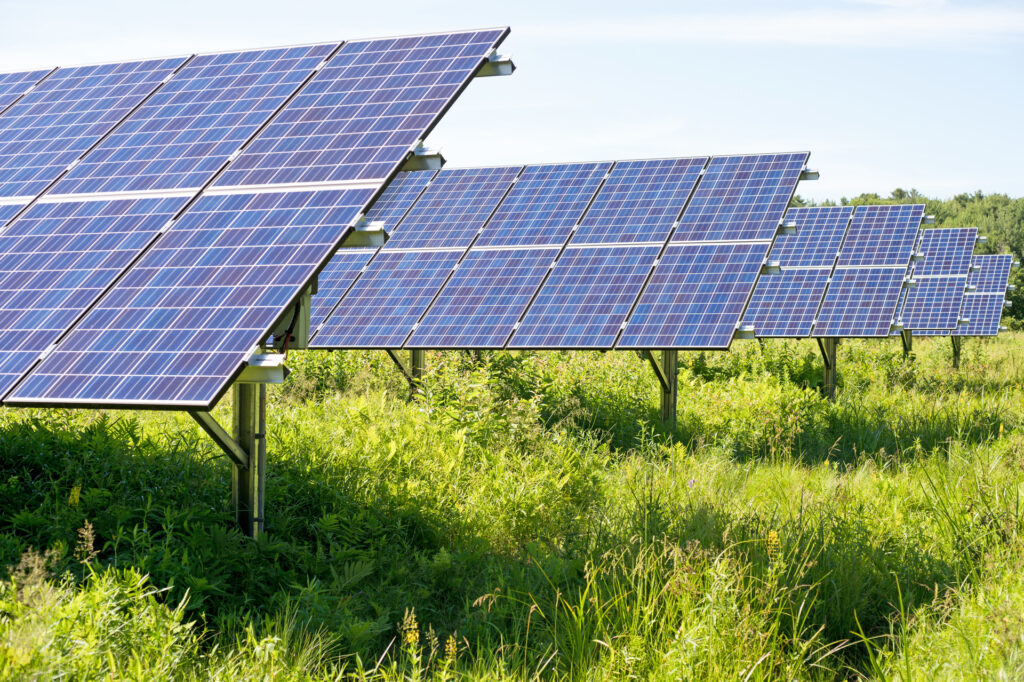
As we continue to face the challenges of climate change, it has become increasingly important to explore alternative sources of energy. One such source is photovoltaic (PV) energy, which harnesses the power of sunlight to generate electricity. In this article, we will delve into the world of PV energy, exploring its principles, benefits, and applications.
What is Photovoltaic Energy?
Photovoltaic energy is a renewable energy source that converts sunlight into electrical energy through the photovoltaic effect. This process involves the absorption of sunlight by semiconducting materials, such as silicon, which releases electrons that flow through an electric current. This phenomenon occurs when light hits a material with a crystalline structure, causing it to excite electrons and create an electric potential difference.
Types of Photovoltaic Cells
There are several types of PV cells, each with its own unique characteristics and advantages. These include:
- Monocristalline: Made from a single crystal of silicon, these cells are the most efficient type and have the highest power density.
- Polycrystalline: Composed of multiple crystals of silicon, these cells are less expensive than monocristalline cells but still offer high efficiency.
- Amorphous: Made from a non-crystalline structure, these cells are less efficient but more affordable and flexible.
Applications of Photovoltaic Energy
PV energy has numerous applications in various fields, including:
- Electricity Generation: PV systems can generate electricity for homes, businesses, and communities.
- Water Purification: Some PV systems can be used to purify water by using the heat generated from sunlight to evaporate impurities.
- Heating: Photovoltaic energy can also be used to provide heat for buildings, reducing reliance on fossil fuels.
Benefits of Photovoltaic Energy
The benefits of photovoltaic energy are numerous and significant:
- Renewable and Sustainable: PV energy is a renewable source of energy that reduces our reliance on fossil fuels and lowers greenhouse gas emissions.
- Zero Emissions: PV systems produce no emissions or pollution, making them an attractive alternative to traditional energy sources.
- Low Operating Costs: Once installed, PV systems require minimal maintenance and have low operating costs.
Incentives for Photovoltaic Energy
Governments around the world offer incentives to encourage the adoption of photovoltaic energy. These include:
- Tax Credits: Many governments offer tax credits to individuals and businesses that install PV systems.
- Grants: Some governments provide grants to support the development of PV projects.
- Net Metering: Net metering laws allow households and businesses to sell excess energy back to the grid, reducing their energy bills.
Challenges and Limitations
While photovoltaic energy has many benefits, there are also challenges and limitations:
- High Upfront Costs: While the cost of PV systems is decreasing, they can still be expensive upfront.
- Intermittent Energy Source: PV energy is an intermittent source of energy, meaning it’s not always available when it’s needed.
- Land Requirements: Large-scale PV installations require significant land areas, which can lead to conflicts with local communities.
Conclusion
Photovoltaic energy is a promising source of renewable energy that offers numerous benefits and applications. While there are challenges and limitations to consider, the advantages of PV energy make it an attractive alternative to traditional energy sources. As technology continues to evolve, we can expect to see even more innovative applications of photovoltaic energy.
Frequently Asked Questions (FAQs)
- What is the efficiency of a typical PV system?
- The efficiency of a typical PV system varies depending on the type and quality of the cells used. Monocristalline cells have an average efficiency of around 15-20%, while polycrystalline cells have an average efficiency of around 10-15%.
- How much electricity can a PV system generate?
- The amount of electricity generated by a PV system depends on the size and type of the system, as well as the amount of sunlight it receives.
- Are PV systems expensive to install?
- While the upfront cost of installing a PV system can be high, the long-term savings from reduced energy bills and increased property value make it a worthwhile investment for many homeowners and businesses.
- Can I sell excess energy generated by my PV system back to the grid?
- Yes, net metering laws allow households and businesses to sell excess energy generated by their PV systems back to the grid, reducing their energy bills.
- How long do PV systems last?
- PV systems can last for up to 30 years or more, depending on the quality of the cells and the environmental conditions they are exposed to.
By understanding the principles and benefits of photovoltaic energy, we can work towards a more sustainable future for generations to come.


