
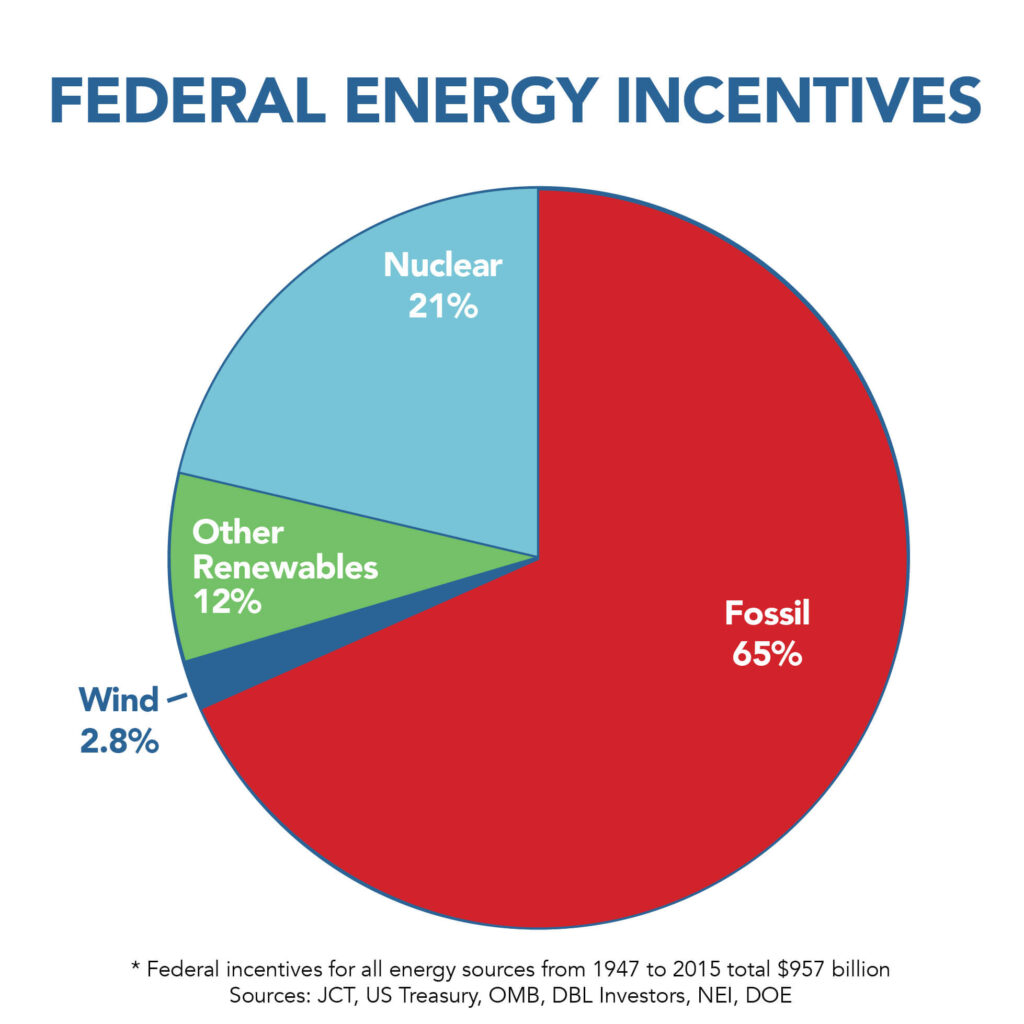
The Italian government has announced plans to continue supporting non-fotovoltaic renewable energy sources, marking a positive step towards reducing Italy’s reliance on fossil fuels and achieving its national energy goals.
Government Announces Plans to Support Non-Fotovoltaic Renewable Energy Sources
In an effort to promote the development of renewable energy sources, the Italian government has announced plans to continue supporting non-fotovoltaic sources. This move is seen as a positive step towards reducing Italy’s reliance on fossil fuels and achieving its national energy goals.
New Decree Expected to Be Published by End of February
A new decree regulating incentives for renewable energy sources is expected to be published by the end of February, according to Claudio De Vincenti, the Italian government’s vice-minister for economic development. The decree will not only apply to 2015 but also extend its coverage to 2016 and 2017, with further details to be determined.
Minister Reassures Investors About Continued Support
De Vincenti has reassured investors that the government remains committed to supporting the renewable energy sector. He notes that the Italian Strategy for National Energy aims to reduce energy consumption by 30% by 2030, and that the government is working to ensure continuity in investments in this field.
Progressive Plan to Align with EU Guidelines
To align itself with European Union guidelines on state aid, Italy has implemented a progressive plan to phase out existing incentives for non-fotovoltaic renewable energy sources. This move aims to create a more level playing field for all renewable energy producers.
Focusing on Non-Fotovoltaic Sources
The Italian government’s focus on non-fotovoltaic sources is seen as an effort to promote the development of alternative energy sources. The government has announced that it will continue to support these sources, which are expected to play a crucial role in Italy’s future energy mix.
Impact on Photovoltaic Energy
The photovoltaic sector has been subject to significant changes over the years. The Italian government has reduced incentives for this source, leading to concerns about its long-term viability. However, there is still potential for growth in the photovoltaic market, particularly among residential and commercial consumers.
Support for Residential Photovoltaic Systems
Residential photovoltaic systems have been a growing area of interest for many homeowners. The Italian government has acknowledged this trend and has announced plans to provide incentives for these installations. However, these incentives are currently limited, and more support is needed to make photovoltaic energy accessible to a wider audience.
Key Features of the New Decree
The new decree regulating incentives for renewable energy sources will feature several key elements:
- A system incentivizing investments in non-fotovoltaic renewable energy sources
- Tariffs that guarantee access to incentives for certified projects
- Progressively phased out existing incentives for non-fotovoltaic sources
Implications of the New Decree
The new decree is expected to have a significant impact on Italy’s renewable energy sector. The introduction of tariffs guarantees access to incentives for certified projects, providing certainty for investors and developers.
Q&A Section
Here are some frequently asked questions about the new decree regulating incentives for renewable energy sources:
- What is the main focus of the new decree?
- The main focus of the new decree is on supporting non-fotovoltaic renewable energy sources.
- Will the photovoltaic sector receive any support under the new decree?
- The photovoltaic sector will not receive direct incentives under the new decree, but there may be opportunities for growth through residential and commercial installations.
- What is the timeline for implementing the new decree?
- The new decree is expected to be published by the end of February, with further details to be determined.
- How will the Italian government ensure continuity in investments in renewable energy sources?
- The government will continue to support the sector through a progressive plan to align itself with EU guidelines on state aid.
- What are the key features of the new decree?
- The new decree will feature several key elements, including a system incentivizing investments in non-fotovoltaic renewable energy sources and tariffs that guarantee access to incentives for certified projects.
- How will the introduction of tariffs affect investors and developers?
- The introduction of tariffs guarantees access to incentives for certified projects, providing certainty for investors and developers.
By understanding the key features and implications of the new decree regulating incentives for renewable energy sources, stakeholders can better navigate the opportunities and challenges presented by this development.


