
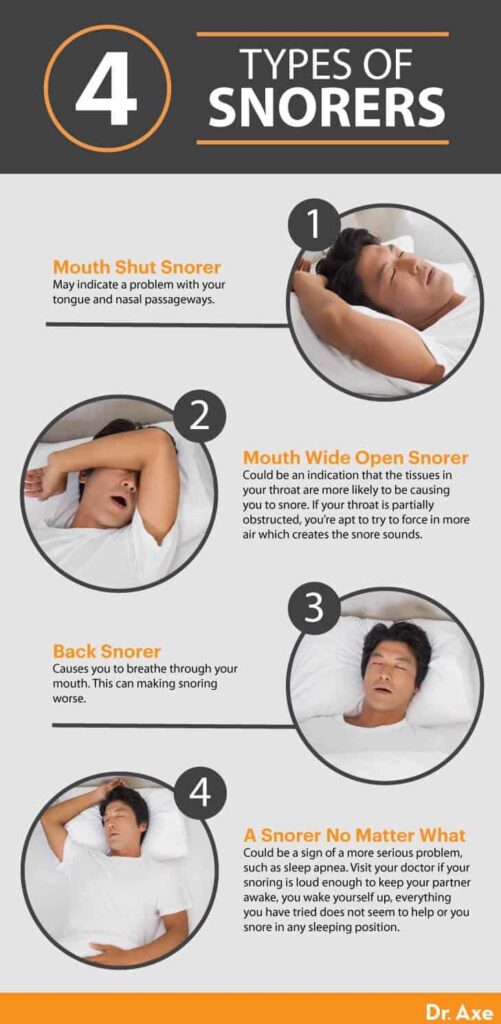
Snoring is the sound we make at night, caused by the vibration of air passing through our respiratory tract. It’s not just a nuisance; it can be a sign of an underlying issue that affects your health and quality of life. But before we dive into remedies, let’s understand why some people snore while others don’t.
The Anatomy of Snoring
Snoring occurs when the airflow in your upper respiratory tract is interrupted, causing abnormal vibrations in the pharynx. This can be due to a narrowing of the soft palate, uvula, tonsils, or even the tongue. Gravity plays a role in reducing snoring when you sleep on your side, as it pushes these soft tissues towards your upper respiratory tract, partially occluding it.
The First Remedy: Sleeping on Your Side
Sleeping on one’s side is an effective way to reduce snoring. This simple habit can make a big difference in improving your breathing and overall well-being. By sleeping on your side, you’re allowing gravity to work in your favor, facilitating airflow through your breathing respiratory tract.
A Healthy Lifestyle: The Key to Improved Breathing
So, what’s the connection between healthy living and improved breathing? It’s simple:
Healthy lifestyle = Improved breathing = Stop snoring!
By adopting a healthy lifestyle, you can significantly reduce vibrations leading to snoring. Here are some key strategies to get you started:
- Reach your ideal weight: Excess weight can put pressure on your airways, causing them to narrow and vibrate.
- Avoid consuming alcohol: Alcohol is a relaxant that can cause your muscles to relax and obstruct your breathing.
- Improve your immune defenses: A weakened immune system can make you more susceptible to respiratory infections, which can lead to snoring.
- Limit the consumption of sedatives and anxiolytics: These medications can relax your muscles and slow down your breathing, leading to vibrations in your airways.
- Don’t smoke: Smoking can cause inflammation in your airways, making them narrower and more prone to vibration.
Common Causes of Snoring
While a healthy lifestyle can go a long way, there are some situations that can directly cause snoring. For example:
- Tonsillitis: Inflammation of the tonsils can cause swelling and obstruction of the airway.
- Deviation of the nasal septum: A deviated septum can cause you to breathe through your mouth instead of your nose, leading to snoring.
- Rhinopharyngitis: This is an inflammation of the nasal passages and pharynx that can cause swelling and obstruction.
- Congestion of the nasal passages: Nasal congestion can cause you to breathe through your mouth, leading to vibrations in your airways.
- Cough and phlegm: A persistent cough or phlegm production can cause inflammation and irritation in your throat and airways.
Consult an Ear, Nose, and Throat Specialist
If you’re not sure what’s causing your snoring or if it persists despite adopting a healthy lifestyle, consult an ear, nose, and throat specialist. They can help identify the underlying causes of your snoring and recommend definitive solutions.
Remedies for Not Snoring
While there are no proven remedies for not snoring, here are some palliative measures you can try:
- Use of decongestants for upper respiratory tract: Decongestants can help reduce nasal congestion and swelling.
- Sleeping on one’s side: As mentioned earlier, sleeping on your side can significantly reduce snoring by allowing gravity to work in your favor.
- Dining before 7 pm and going to bed empty stomach: Eating a large meal close to bedtime can cause you to sleep more deeply, leading to increased vibrations in your airways. Avoiding heavy meals before bedtime may help alleviate symptoms.
- Using snore-dampening gels: These gel products can be applied to the throat to reduce vibrations and snoring.
Surgical Intervention: A Last Resort
In some cases, stopping snoring may require a surgical intervention. While this should be considered a last resort, it’s essential to prioritize your health and seek professional advice. There are several surgical options available for treating snoring, including:
- Uvulopalatopharyngoplasty (UPPP): This surgery involves removing excess tissue from the uvula, soft palate, and pharynx.
- Radiofrequency ablation: This treatment uses radio waves to heat up the nerve tissue in your throat, reducing vibrations and snoring.
- Submucosal resection of the palatine tonsils: This surgery involves removing excess tissue from the tonsils.
Conclusion
Snoring can be a frustrating and debilitating issue, but it’s not impossible to overcome. By adopting a healthy lifestyle, understanding the causes of snoring, and seeking professional advice, you can find relief from this pesky problem. Remember, a deeper sleep is just a breath away!
Frequently Asked Questions
Q: What are the most effective remedies for not snoring?
A: While there are no proven remedies for not snoring, adopting a healthy lifestyle, using decongestants, and consulting an ear, nose, and throat specialist can make a significant difference.
Q: Can I stop snoring by changing my sleeping position?
A: Yes, sleeping on one’s side can significantly reduce snoring. Gravity helps to push soft tissues towards the upper respiratory tract, facilitating airflow through breathing.
Q: How often should I consult an ear, nose, and throat specialist if I’m experiencing persistent snoring?
A: If you’re not sure what’s causing your snoring or if it persists despite adopting a healthy lifestyle, consider consulting an ear, nose, and throat specialist for professional advice.
Q: Can snoring be caused by other health issues besides respiratory problems?
A: Yes, snoring can be linked to various health conditions, including sleep apnea, high blood pressure, and diabetes.
Q: Are there any natural remedies that can help reduce snoring?
A: While there are no proven natural remedies for not snoring, using decongestants and trying steam therapy with baking soda and essential oils may help alleviate symptoms.
Q: Can snoring affect my relationships and overall quality of life?
A: Yes, snoring can have a significant impact on your relationships and overall well-being. It’s essential to address the issue promptly to ensure better sleep and improved health.
Q: How often should I clean my nasal passages to reduce snoring?
A: Regular cleaning of the nasal passages can help reduce congestion and alleviate snoring symptoms. Use saline sprays or rinse with a neti pot daily to keep your nasal passages clear.
Q: Can snoring be linked to other sleep disorders besides insomnia?
A: Yes, snoring is often associated with sleep apnea, restless leg syndrome, and periodic limb movement disorder.
Stay Informed, Stay Healthy
Snoring can be a pesky problem, but it’s not impossible to overcome. By adopting a healthy lifestyle, understanding the causes of snoring, and seeking professional advice, you can find relief from this frustrating issue. Stay informed, stay healthy, and breathe easy!


