
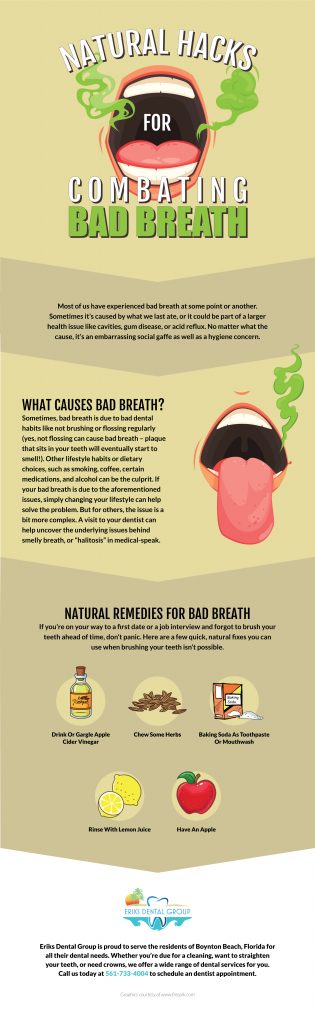
Bad breath, also known as halitosis, is a common problem that affects many people. While it can be embarrassing, there are various remedies available to help alleviate the issue. In this article, we will explore the causes of bad breath and discuss some effective ways to eliminate it.
What Causes Bad Breath?
Bad breath can have different causes, ranging from simple oral hygiene practices to more complex medical issues. The primary cause of bad breath is the presence of volatile sulfur compounds (VSCs) in the mouth. These compounds are produced by bacteria that thrive on food particles and can give off a strong, unpleasant odor.
The Role of Bacteria
Bacteria play a significant role in the development of bad breath. In nine out of ten cases, the cause of bad breath is the presence of bacteria in the mouth. These bacteria produce VSCs through the breakdown of food particles in the mouth. The most common places where these bacteria accumulate are on the surface of the tongue and the sides of the mouth.
Gastrointestinal Issues
In addition to oral hygiene, gastrointestinal issues can also contribute to bad breath. The movement of food from the stomach to the small intestine is facilitated by a muscle called the lower esophageal sphincter (LES). However, when this muscle becomes weak or relaxed, it can allow food and acid to flow back up into the esophagus, causing irritation and inflammation.
Disturbed Digestion
When the LES is weakened, it can lead to a condition known as gastroesophageal reflux disease (GERD). In GERD, stomach acid flows back up into the esophagus, causing inflammation and irritation. This can lead to bad breath, as well as other symptoms such as heartburn and chest pain.
Other Causes of Bad Breath
There are several other factors that can contribute to bad breath, including:
- Dry mouth: When the mouth is dry, it can’t produce enough saliva to wash away bacteria and food particles. This can lead to a buildup of bacteria on the tongue and in the mouth.
- Tobacco use: Smoking and chewing tobacco can reduce saliva production and increase the amount of bacteria in the mouth.
- Medications: Certain medications, such as antidepressants and antihistamines, can dry out the mouth and contribute to bad breath.
- Nutritional deficiencies: A lack of vitamin B12 or iron can lead to bad breath.
Home Remedies for Bad Breath
Fortunately, there are several home remedies that can help alleviate bad breath. These include:
- Brushing your teeth regularly: Brushing your teeth at least twice a day can help remove bacteria and food particles from the mouth.
- Using an antibacterial mouthwash: Using an antibacterial mouthwash can help kill bacteria in the mouth and reduce the amount of VSCs produced.
- Chewing sugar-free gum: Chewing sugar-free gum can stimulate saliva production and wash away bacteria and food particles from the mouth.
- Avoiding strong-smelling foods: Avoiding foods that are high in sulfur, such as onions and garlic, can help reduce the amount of VSCs produced.
Dietary Changes for Bad Breath
In addition to oral hygiene practices, making dietary changes can also help alleviate bad breath. Some foods that can contribute to bad breath include:
- Onions and garlic: These foods are high in sulfur compounds, which can give off a strong odor.
- Coffee and tea: These beverages contain acids that can irritate the mouth and lead to bad breath.
- Spicy foods: Foods that are high in spices, such as chili peppers, can cause inflammation and irritation in the mouth.
When to See a Doctor
If you experience persistent bad breath despite following good oral hygiene practices, it may be worth seeing a doctor. Bad breath can be a sign of an underlying medical condition, such as GERD or a nutritional deficiency. A doctor can help determine the cause of your bad breath and recommend treatment options.
Frequently Asked Questions (FAQs)
- What is the difference between halitosis and bad breath?
Halitosis refers specifically to persistent bad breath, while bad breath can refer to any unpleasant odor coming from the mouth. - Can I cure bad breath at home?
While some remedies may help alleviate bad breath, it’s unlikely that you can “cure” bad breath without addressing the underlying cause. - What is the most common cause of bad breath?
The most common cause of bad breath is the presence of bacteria in the mouth. - Can I prevent bad breath by avoiding certain foods?
Yes, avoiding foods that are high in sulfur can help reduce the amount of VSCs produced. - What should I do if my doctor diagnoses me with GERD?
Treatment for GERD may include lifestyle changes such as avoiding trigger foods and medications to reduce acid production.
Natural Remedies for Bad Breath
In addition to home remedies, there are several natural remedies that can help alleviate bad breath. These include:
- Cinnamon: Cinnamon has antibacterial properties that can help kill bacteria in the mouth.
- Cloves: Cloves have antibacterial and anti-inflammatory properties that can help reduce inflammation and irritation in the mouth.
- Mint: Mint has antibacterial properties that can help kill bacteria in the mouth.
- Saltwater rinse: Rinsing your mouth with salt water can help reduce inflammation and kill bacteria.
Preventing Bad Breath
In addition to using remedies, there are several steps you can take to prevent bad breath:
- Brush your teeth regularly: Brushing your teeth at least twice a day can help remove bacteria and food particles from the mouth.
- Floss daily: Flossing daily can help remove bacteria and food particles from between your teeth.
- Avoid strong-smelling foods: Avoiding foods that are high in sulfur can help reduce the amount of VSCs produced.
- Stay hydrated: Drinking plenty of water can help keep your mouth moist and wash away bacteria and food particles.
Conclusion
Bad breath is a common problem that affects many people. While it can be embarrassing, there are various remedies available to help alleviate the issue. By understanding the causes of bad breath and making dietary changes, you can take steps to prevent bad breath. Remember to brush your teeth regularly, floss daily, avoid strong-smelling foods, and stay hydrated to keep your mouth healthy and fresh.


