
Are you tired of dealing with enlarged pores? Do you struggle with acne, blackheads, and dull skin? You’re not alone. Enlarged pores can be frustrating, but there are many natural remedies that can help. In this article, we’ll explore the best ways to reduce pore size, prevent future enlargement, and achieve glowing skin.
Understanding Enlarged Pores
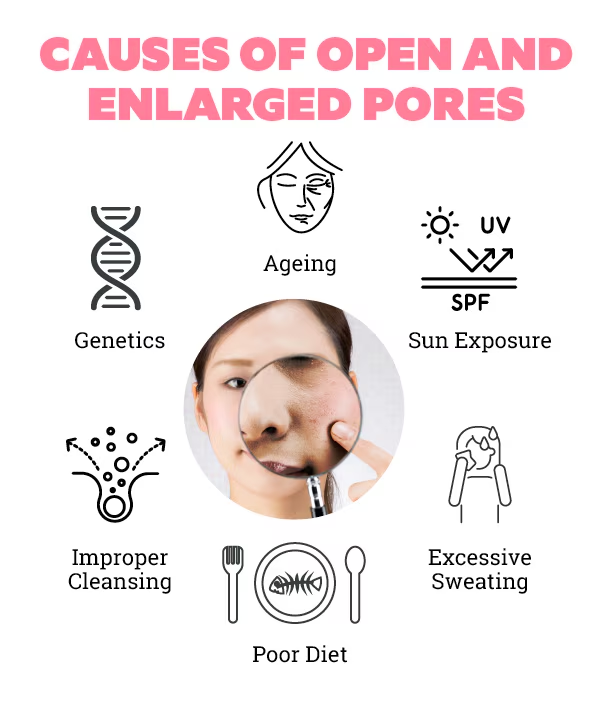
Enlarged pores are a common issue for both men and women. They can give your skin an unhealthy appearance and make you more prone to acne and blackheads. But why do pores become enlarged in the first place? There are several reasons, including:
- Overactive sebaceous glands: When your sebaceous glands produce too much oil, it can clog pores and cause them to become enlarged.
- Dead skin cells: Dead skin cells can accumulate on the surface of your skin, causing pores to appear larger than they actually are.
- Poor skincare routine: Not removing makeup properly, using harsh products, or not exfoliating regularly can all contribute to enlarged pores.
Preventing Enlarged Pores
While it’s impossible to completely eliminate the risk of enlarged pores, there are several steps you can take to prevent them from forming in the first place:
- Use a gentle skincare routine: Choose products that are formulated for your skin type and use them consistently.
- Exfoliate regularly: Exfoliating helps remove dead skin cells and unclog pores.
- Remove makeup properly: Use a gentle makeup remover to clean your face thoroughly after removing makeup.
Natural Remedies for Enlarged Pores
Now that we’ve covered the basics, let’s explore some natural remedies that can help reduce pore size:
1. Aloe Vera
Aloe vera is a natural ingredient that has been used for centuries to soothe and calm the skin. It contains vitamins A, C, and E, as well as minerals like calcium and potassium. These nutrients can help to regulate oil production and reduce inflammation.
How to Use Aloe Vera
To use aloe vera on your skin, simply extract the gel from a fresh aloe leaf and apply it directly to your face. You can also mix it with other ingredients like honey or yogurt for added benefits.
2. Green Tea
Green tea is another natural ingredient that has been shown to have anti-inflammatory properties. It contains antioxidants called catechins, which can help to reduce the appearance of pores.
How to Use Green Tea
To use green tea on your skin, simply brew a cup and let it cool. Then, soak a cotton pad in the liquid and apply it to your face. You can also mix it with other ingredients like honey or yogurt for added benefits.
3. Turmeric
Turmeric is a natural anti-inflammatory that has been used for centuries to reduce inflammation and improve skin health. It contains curcumin, a compound that has potent antioxidant properties.
How to Use Turmeric
To use turmeric on your skin, simply mix it with water or yogurt to create a paste. Apply the paste directly to your face and leave it on for 10-15 minutes before rinsing off.
4. Cucumber
Cucumber is a refreshing ingredient that can help to reduce puffiness and inflammation in the skin. It contains antioxidants like vitamin E, which can help to protect the skin from damage.
How to Use Cucumber
To use cucumber on your skin, simply slice it up and apply it directly to your face. You can also mix it with other ingredients like yogurt or honey for added benefits.
5. Lemon Juice
Lemon juice is a natural astringent that can help to tighten pores and reduce the appearance of fine lines and wrinkles.
How to Use Lemon Juice
To use lemon juice on your skin, simply mix it with water or yogurt to create a paste. Apply the paste directly to your face and leave it on for 10-15 minutes before rinsing off.
6. Rosewater
Rosewater is a natural toner that can help to balance the pH of the skin and reduce inflammation.
How to Use Rosewater
To use rosewater on your skin, simply soak a cotton pad in the liquid and apply it directly to your face. You can also mix it with other ingredients like honey or yogurt for added benefits.
7. Oatmeal
Oatmeal is a natural exfoliant that can help to remove dead skin cells and unclog pores.
How to Use Oatmeal
To use oatmeal on your skin, simply mix it with water or yogurt to create a paste. Apply the paste directly to your face and leave it on for 10-15 minutes before rinsing off.
8. Honey
Honey is a natural humectant that can help to retain moisture in the skin and reduce inflammation.
How to Use Honey
To use honey on your skin, simply apply a thin layer directly to your face. You can also mix it with other ingredients like yogurt or oatmeal for added benefits.
9. Sugar
Sugar is a natural exfoliant that can help to remove dead skin cells and unclog pores.
How to Use Sugar
To use sugar on your skin, simply mix it with water or yogurt to create a paste. Apply the paste directly to your face and leave it on for 10-15 minutes before rinsing off.
10. Avocado
Avocado is a natural moisturizer that can help to hydrate and nourish the skin.
How to Use Avocado
To use avocado on your skin, simply mash up a ripe avocado and apply it directly to your face. You can also mix it with other ingredients like honey or yogurt for added benefits.
11. Banana
Banana is a natural moisturizer that can help to hydrate and nourish the skin.
How to Use Banana
To use banana on your skin, simply mash up a ripe banana and apply it directly to your face. You can also mix it with other ingredients like honey or yogurt for added benefits.
12. Cinnamon
Cinnamon is a natural anti-inflammatory that can help to reduce inflammation and improve skin health.
How to Use Cinnamon
To use cinnamon on your skin, simply mix it with water or yogurt to create a paste. Apply the paste directly to your face and leave it on for 10-15 minutes before rinsing off.
13. Coconut Oil
Coconut oil is a natural moisturizer that can help to hydrate and nourish the skin.
How to Use Coconut Oil
To use coconut oil on your skin, simply apply a thin layer directly to your face. You can also mix it with other ingredients like honey or yogurt for added benefits.
14. Glycerin
Glycerin is a natural humectant that can help to retain moisture in the skin and reduce inflammation.
How to Use Glycerin
To use glycerin on your skin, simply apply a thin layer directly to your face. You can also mix it with other ingredients like honey or yogurt for added benefits.
15. Shea Butter
Shea butter is a natural moisturizer that can help to hydrate and nourish the skin.
How to Use Shea Butter
To use shea butter on your skin, simply apply a thin layer directly to your face. You can also mix it with other ingredients like honey or yogurt for added benefits.
16. Cocoa Butter
Cocoa butter is a natural moisturizer that can help to hydrate and nourish the skin.
How to Use Cocoa Butter
To use cocoa butter on your skin, simply apply a thin layer directly to your face. You can also mix it with other ingredients like honey or yogurt for added benefits.
17. Tea Tree Oil
Tea tree oil is a natural antiseptic that can help to reduce inflammation and improve skin health.
How to Use Tea Tree Oil
To use tea tree oil on your skin, simply dilute it with a carrier oil like coconut or olive oil and apply it directly to your face. You can also mix it with other ingredients like honey or yogurt for added benefits.
18. Eucalyptus Oil
Eucalyptus oil is a natural anti-inflammatory that can help to reduce inflammation and improve skin health.
How to Use Eucalyptus Oil
To use eucalyptus oil on your skin, simply dilute it with a carrier oil like coconut or olive oil and apply it directly to your face. You can also mix it with other ingredients like honey or yogurt for added benefits.
19. Peppermint Oil
Peppermint oil is a natural invigorator that can help to improve circulation and reduce inflammation.
How to Use Peppermint Oil
To use peppermint oil on your skin, simply dilute it with a carrier oil like coconut or olive oil and apply it directly to your face. You can also mix it with other ingredients like honey or yogurt for added benefits.
20. Chamomile Oil
Chamomile oil is a natural anti-inflammatory that can help to reduce inflammation and improve skin health.
How to Use Chamomile Oil
To use chamomile oil on your skin, simply dilute it with a carrier oil like coconut or olive oil and apply it directly to your face. You can also mix it with other ingredients like honey or yogurt for added benefits.
In conclusion, there are many natural remedies that can help reduce pore size and improve skin health. By incorporating these remedies into your skincare routine, you can achieve glowing skin and a more confident complexion.


