
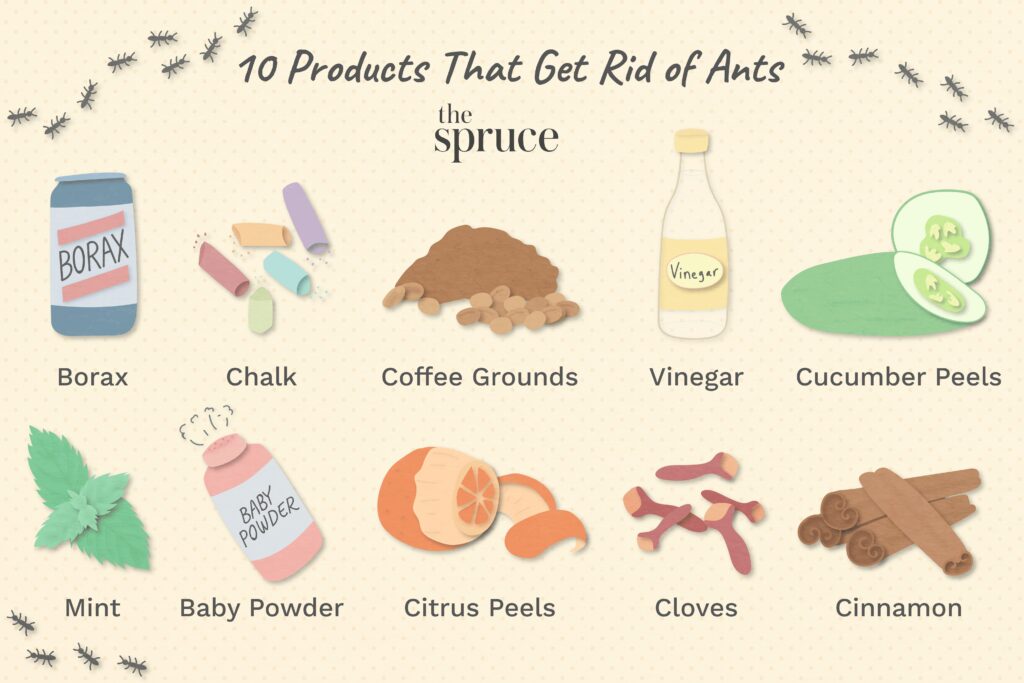
As a homeowner or gardener, you’re likely to encounter ants in your home or yard. These unwanted guests can enter through cracks and crevices, making their way into your walls, floors, and furniture. Leaving food residue or crumbs behind can attract them even further. However, before reaching for chemical pesticides, consider these natural remedies against ants that are safe for you, your family, and the environment.
Understanding Ants
Ants are social insects that live in colonies and communicate through complex chemical signals. They’re attracted to sweet or sticky substances, such as food waste or honey. Once inside your home, they can establish new nests, multiplying rapidly and causing significant damage. Ants are also notorious for their ability to squeeze into tiny spaces, making them difficult to eradicate.
Prevention is Key
To keep ants at bay, focus on maintaining a clean and tidy environment. Regularly sweep and mop floors, wipe down surfaces, and store food in sealed containers. Be mindful of sweet or sticky substances, such as honey, syrup, or fruit, which can attract ants. Additionally, seal any cracks or crevices around windows, doors, and pipes to prevent ants from entering your home.
Identifying Ant Nests
If you’ve already spotted ants in your home, it’s essential to identify their nesting sites. Follow the ants’ trail to locate the entrance points and seal them with caulk or putty. Remember that once you’ve sealed one nest, new ones may emerge from other areas. Identifying ant nests is crucial to preventing further infestations.
Natural Remedies Against Ants
While chemical pesticides can be effective, they can also harm beneficial insects and contaminate soil and water. Instead, try these natural remedies to eliminate ants:
1. Baking Soda
Sprinkle baking soda around entry points or directly on ant trails. The acidity will repel ants and dehydrate them. Mix baking soda with sugar to create a paste that can be applied to ant trails.
2. Cinnamon
Cinnamon’s strong scent can deter ants. Sprinkle cinnamon powder along ant trails or around entry points. You can also mix cinnamon with water to create a spray that can be used to repel ants.
3. Vinegar
Ants detest the smell of vinegar. Mix equal parts water and white vinegar in a spray bottle and spray directly on ants or entry points. The acidity will help break down ant colonies and prevent new ones from forming.
4. Lemon Juice
Lemon juice’s acidity will repel ants. Mix lemon juice with water and spray it around ant trails or entry points. You can also use lemon juice to clean surfaces, as it’s a natural disinfectant.
5. Diatomaceous Earth
This natural powder is made from fossilized algae. Sprinkle it around ant trails or entry points, as the sharp edges will dehydrate ants. However, be cautious when using diatomaceous earth, as it can be hazardous to pets and humans if ingested.
6. Essential Oils
Certain essential oils, such as peppermint, tea tree, and lavender, can repel ants. Mix a few drops of oil with water in a spray bottle and spray it around ant trails or entry points. Some people also use essential oils to create natural pest control systems.
Tips for Using Natural Remedies
When using natural remedies against ants, keep the following tips in mind:
- Always test a small area before applying any remedy to ensure that it won’t damage surfaces.
- Reapply natural remedies regularly, as they may need to be reapplied multiple times throughout the day.
- Combine natural remedies with good cleaning practices and a tidy environment for optimal results.
Conclusion
While ants can be a nuisance, they’re not necessarily a health risk. By maintaining a clean environment, identifying ant nests, and using natural remedies, you can effectively keep ants away from your home without resorting to chemical pesticides. Remember, prevention is key, and patience is essential when dealing with these persistent pests.
Frequently Asked Questions (FAQs)
- What are the most common types of ants?
- The most common types of ants found in homes are odorous house ants, pavement ants, and carpenter ants.
- Can I use essential oils to repel ants?
- Yes, certain essential oils like peppermint, tea tree, and lavender can help repel ants when mixed with water and sprayed around ant trails or entry points.
- What is the most effective natural remedy against ants?
- Baking soda is a popular choice due to its acidity, which will dehydrate and repel ants.
- Can I use diatomaceous earth on my pets?
- No, diatomaceous earth can be hazardous to pets if ingested. Keep it out of reach and only use it around ant trails or entry points.
- How do I get rid of ants in the kitchen?
- Regularly clean up food waste, store sweet or sticky substances in sealed containers, and wipe down surfaces with a mixture of water and white vinegar.
- Can I use natural remedies against ants during peak summer months?
- Yes, these remedies are effective year-round and can be used during any season to prevent ant infestations.
- How long does it take for natural remedies to work?
- It may take a few days or weeks for natural remedies to fully eliminate ants, depending on the severity of the infestation.
- Are there any specific areas of my home that are more prone to ant infestations?
- Yes, areas around food sources, such as kitchens and pantries, are often targeted by ants. Regularly clean up crumbs and spills, and store food in sealed containers.
By understanding ants, taking preventive measures, and using natural remedies, you can effectively manage these persistent pests without resorting to chemical pesticides. Remember, prevention is key, and patience is essential when dealing with these unwanted guests.


