
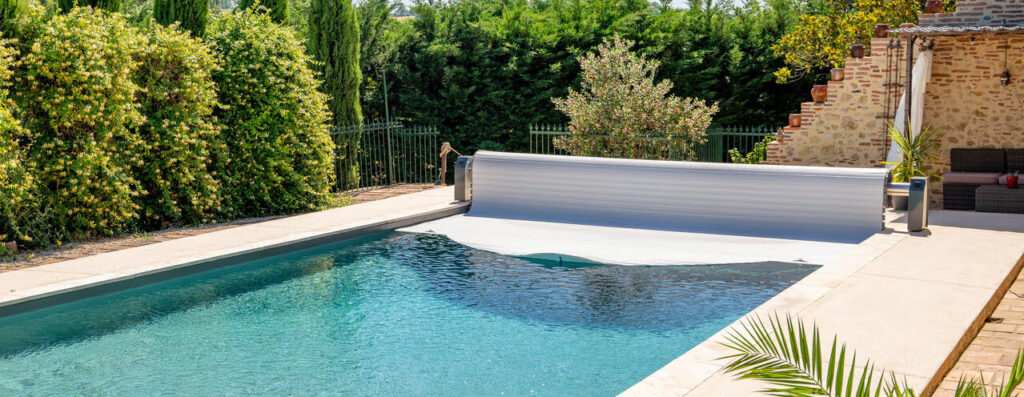
As the proud owner of a private pool and garden, you have a great deal of responsibility to maintain these areas in perfect condition. Regular maintenance and cleaning are essential to keep your pool looking its best for years to come. One simple yet effective way to reduce the frequency of these operations is to install a pool cover.
A well-designed and installed pool cover can make all the difference in protecting your pool from debris, reducing wear and tear, and saving you time and money in the long run. In this article, we’ll explore the benefits of installing a pool cover, discuss different types of covers available, and provide tips on how to choose the right one for your needs.
The Benefits of Pool Covers
So why is it so important to install a pool cover? Here are just a few compelling reasons:
- Reduced Maintenance: A pool cover helps to keep debris out of the water, reducing the need for frequent cleaning and maintenance.
- Energy Efficiency: By keeping the water warm or cool, depending on your climate, you can save energy and reduce your utility bills.
- Safety: Pool covers help prevent accidents by keeping children and pets away from the pool when it’s not in use.
- Extended Lifespan: A pool cover protects your pool from damage caused by debris, chemicals, and other contaminants that can shorten its lifespan.
Types of Pool Covers
There are several types of pool covers available, each with its own unique benefits and features. Here are a few options to consider:
- Automatic Pool Covers: These covers are equipped with motors that make it easy to open and close the cover.
- Manual Pool Covers: These covers require manual operation and can be more cost-effective for smaller pools.
- Translucent Pool Covers: These covers allow sunlight to pass through, making them ideal for pools with a lot of shade.
- Solar Pool Covers: These covers are designed to absorb solar energy and warm the water.
- Retractable Pool Covers: These covers can be extended or retracted as needed, providing easy access to your pool.
Choosing the Right Pool Cover
With so many options available, choosing the right pool cover can be overwhelming. Here are a few tips to help you make an informed decision:
- Measure Your Pool: Before buying a pool cover, measure your pool to ensure you get the right size.
- Consider Your Climate: If you live in an area with high winds or extreme temperatures, consider a more durable option like automatic or solar pool covers.
- Think About Safety: If you have young children or pets, look for pool covers with safety features like gates and alarms.
Additional Features to Consider
When choosing a pool cover, there are several additional features to consider:
- UV Protection: Some pool covers offer UV protection to help prevent algae growth and keep your water clear.
- Algae Prevention: Some pool covers have built-in algae prevention systems that can help reduce the need for regular cleaning.
- Water Level Control: Some pool covers allow you to control the water level, ensuring your pool is always at the right depth.
Conclusion
Installing a pool cover is one of the best investments you can make for your pool’s health and longevity. By reducing maintenance, energy consumption, and accidents, you can enjoy a safer and more enjoyable swimming experience all year round. Take the time to research and choose the right pool cover for your needs, and get ready to enjoy the many benefits that come with it.
Frequently Asked Questions
- What is the average lifespan of a pool cover?
- The average lifespan of a pool cover is around 5-7 years, depending on usage and quality.
- Can I install a pool cover myself?
- It’s recommended to hire a professional for installation, as improper installation can lead to safety issues and premature wear.
- Are pool covers worth the investment?
- Absolutely! Pool covers can save you time, money, and stress in the long run.
- Can I use a pool cover with my solar panel system?
- Yes, but make sure your solar panels are designed to work with pool covers. Some systems may require additional components or modifications.
- What is the best material for pool covers?
- The best material depends on your climate and needs. Automatic and translucent pool covers are popular choices due to their durability and functionality.
- Can I use a pool cover during winter months?
- Yes, but make sure it’s designed for winter use and can withstand cold temperatures.
- How often should I clean my pool cover?
- Regularly check and clean your pool cover to ensure it remains in good condition and functions properly.
Common Pool Cover Problems
Despite their many benefits, pool covers are not immune to problems. Here are a few common issues to watch out for:
- Leaks: Leaks can occur due to damage or wear and tear on the cover.
- Debris Buildup: Debris like leaves and insects can accumulate under the cover if it’s not regularly cleaned.
- Algae Growth: Algae can grow under the cover, especially in shaded areas.
Tips for Maintaining Your Pool Cover
To ensure your pool cover lasts as long as possible, follow these tips:
- Regularly inspect the cover for signs of wear and tear.
- Clean the cover regularly to prevent debris buildup.
- Check the water level and adjust it as needed to prevent damage to the cover.
- Consider using a UV protector or algae prevention system to help maintain clear water.
By following these tips and choosing the right pool cover for your needs, you can enjoy a safer and more enjoyable swimming experience all year round.


