
Understanding Refractory Bricks: A Comprehensive Guide
1. What are Refractory Bricks?
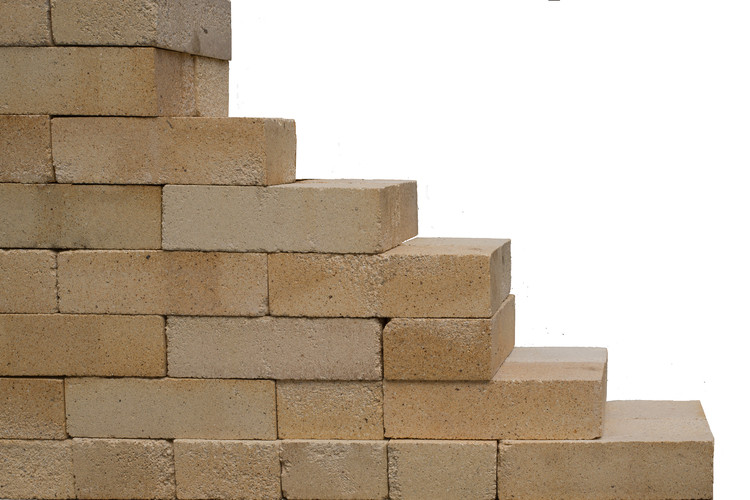
Refractory bricks, also known as Mattoni refrattari in Italian, are a type of building material that is designed to withstand extremely high temperatures. These bricks are made from a special blend of clay, silicates, and aluminates, which give them exceptional thermal resistance, mechanical strength, and durability.
The production process for refractory bricks involves mixing the raw materials with water to create a workable mixture, known as “batter.” The batter is then shaped into bricks or other forms using various techniques, such as pressing, molding, or casting. After shaping, the bricks are fired in high-temperature kilns at temperatures ranging from 1000°C to 1500°C (1832°F to 2732°F) to achieve the desired properties.
2. Characteristics of Refractory Bricks
Refractory bricks have several unique characteristics that make them ideal for applications where high heat is involved. They can withstand temperatures above 1000°C (1832°F) without cracking or breaking down, making them perfect for use in furnaces, kilns, and other high-temperature environments.
Some of the key characteristics of refractory bricks include:
- High thermal resistance: Refractory bricks have a low thermal conductivity, which means they can absorb and distribute heat evenly.
- Mechanical strength: Refractory bricks are incredibly strong and resistant to compression, tension, and shear forces.
- Durability: Refractory bricks can withstand extreme temperatures, vibrations, and other forms of stress without degrading or breaking down.
3. Uses of Refractory Bricks
Refractory bricks are used in a variety of applications, including:
- Furnaces: For heating, melting, and casting materials
- Kilns: For firing ceramics, glassware, and other materials
- Barbecues: As a heat-resistant lining for outdoor cooking surfaces
- Stoves: To line the interior of wood-burning stoves
- Chimneys: To protect against heat damage
Refractory bricks are also used in various industrial applications, such as:
- Aerospace: For high-temperature components and engines
- Automotive: For engine blocks, cylinder heads, and other high-performance parts
- Chemical processing: For heat exchangers, reactors, and other equipment
4. Choosing the Right Refractory Brick
When selecting refractory bricks, it’s essential to consider several factors, including:
- Color and finish: Various colors and finishes are available to suit different applications
- Size and shape: Bricks come in various sizes and shapes, such as square, rectangular, and hexagonal
- Material composition: Different materials can be used to create bricks with varying thermal properties
It’s also important to consider the specific requirements of your application, such as temperature range, mechanical strength, and durability.
5. Benefits of Using Refractory Bricks
Refractory bricks offer several benefits, including:
- Increased efficiency: By reducing heat loss and improving temperature retention
- Improved durability: Longer lifespan and reduced risk of damage or wear
- Enhanced safety: Reduced risk of fire hazards and injuries
Using refractory bricks can also help to reduce energy costs, improve product quality, and increase productivity in various industries.
6. How to Install Refractory Bricks
Installing refractory bricks requires careful planning and execution to ensure proper placement and alignment. Here are some tips:
- Prepare the surface: Ensure the surface is clean, dry, and level
- Use a suitable mortar: Choose a mortar specifically designed for refractory brick installation
- Follow manufacturer’s instructions: Adhere to the manufacturer’s guidelines for installation and application
It’s also important to ensure that the bricks are properly supported and secured during installation to prevent damage or movement.
7. Common Applications of Refractory Bricks
Refractory bricks are used in various applications across different industries, including:
- Aerospace: For high-temperature components and engines
- Automotive: For engine blocks, cylinder heads, and other high-performance parts
- Chemical processing: For heat exchangers, reactors, and other equipment
Refractory bricks are also used in various construction applications, such as:
- Furnaces and kilns
- Barbecues and stoves
- Chimneys and flues
8. Frequently Asked Questions (FAQs)
Here are some frequently asked questions about refractory bricks:
- Q: What is the difference between refractory bricks and regular bricks?
A: Refractory bricks have higher thermal resistance and mechanical strength than regular bricks. - Q: Can I use refractory bricks in outdoor applications?
A: Yes, but ensure they are properly protected from the elements and weather conditions. - Q: How do I clean and maintain refractory bricks?
A: Regular cleaning with a mild detergent and water is recommended. Avoid harsh chemicals or abrasive materials.
9. Tips for Working with Refractory Bricks
Here are some tips for working with refractory bricks:
- Wear protective gear: Use heat-resistant gloves, safety glasses, and a face mask when handling refractory bricks.
- Follow proper lifting techniques: Lift heavy bricks carefully to avoid strain or injury.
It’s also important to follow the manufacturer’s instructions and guidelines for handling and installation of refractory bricks.
10. Conclusion
Refractory bricks offer exceptional thermal resistance, mechanical strength, and durability, making them an essential component in various industries and applications. By understanding their characteristics, uses, and benefits, you can make informed decisions when selecting and installing refractory bricks for your next project.



