
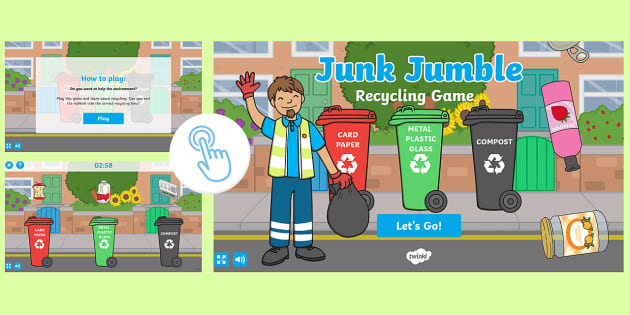
As we navigate the current economic climate, it’s essential to adopt sustainable practices that benefit not only our wallets but also the environment. One innovative approach to reduce domestic waste is by introducing a game-like system that encourages individuals to rethink their consumption habits.
Imagine your home as a business, and you as entrepreneurs working together to minimize waste. The objective is simple: produce fewer trash items while increasing recycling rates. This mindset shift can lead to significant environmental benefits, including reduced pollution and increased resource efficiency.
Understanding the Problem
The reality is that we generate an excessive amount of waste, with many items not being recycled or properly disposed of. Landfills are overflowing, and incinerators, although less harmful, still pose a problem. By acknowledging this issue and embracing change, we can make a positive impact on our planet.
The Consequences of Domestic Waste
Domestic waste has severe consequences for the environment:
- Climate Change: The production, transportation, and disposal of waste contribute to greenhouse gas emissions, exacerbating climate change.
- Pollution: Improperly disposed waste can pollute waterways, soil, and air, harming both human health and wildlife.
- Resource Depletion: The extraction and processing of raw materials for waste production can lead to resource depletion and habitat destruction.
Introducing the Waste Game
The Waste Game is an innovative approach to reduce domestic waste by turning it into a fun, interactive experience. The game’s objective is to decrease the number of trash items produced while increasing recycling rates. This challenge encourages individuals to become more mindful of their consumption habits and develop sustainable practices.
How to Play the Waste Game
To start playing the Waste Game, follow these steps:
- Track Your Waste: Record the types and quantities of waste generated in your home for a set period (e.g., a week or a month).
- Categorize Your Waste: Distinguish between different types of waste, such as paper, plastic, glass, and organic materials.
- Set Goals and Challenges: Based on your tracking data, set achievable goals to reduce waste and increase recycling rates.
Rewards and Motivation
Make the game more engaging by introducing rewards and challenges:
- Create a scoreboard to track progress
- Offer incentives for achieving waste reduction targets
- Encourage family members or roommates to participate and compete with each other
Winning Strategies
By understanding your household’s consumption habits, you can develop effective strategies to reduce waste. Here are some winning tips to get you started:
- Buy in Bulk: Purchase items like nuts, grains, and cleaning supplies in bulk to minimize packaging waste.
- Avoid Single-Use Plastics: Refuse single-use plastics like straws, bags, and water bottles.
- Choose Eco-Friendly Products: Opt for products with minimal or biodegradable packaging.
- Compost at Home: Compost food waste and other organic materials to create nutrient-rich soil.
Additional Tips
In addition to the Waste Game strategies mentioned above, consider these additional tips to further reduce your household’s environmental impact:
- Use Reusable Containers: Switch to reusable containers for storing food and drinks.
- Reduce Food Waste: Plan meals, shop from local farmers’ markets, or compost food waste to minimize its impact on landfills.
- Use Energy-Efficient Appliances: Upgrade to energy-efficient appliances and turn off lights, electronics, and taps when not in use.
The Benefits of the Waste Game
By playing the Waste Game, you can experience numerous benefits:
- Improved Resource Efficiency: Reduce waste, conserve resources, and minimize environmental harm.
- Cost Savings: Save money on waste disposal costs and reduce your household’s reliance on single-use products.
- Increased Recycling Rates: Boost recycling rates by educating family members or roommates about sustainable practices.
Challenges and Obstacles
While playing the Waste Game can be rewarding, it may also present challenges and obstacles:
- Adapting to Change: Adjusting to new habits and routines can be difficult, especially if you’re accustomed to a “throwaway” culture.
- Lack of Awareness: Educating family members or roommates about the importance of sustainable practices may require effort and patience.
- Sustainability Barriers: Physical barriers like lack of access to recycling facilities or inadequate waste management infrastructure can hinder progress.
Overcoming Challenges
To overcome challenges and obstacles, consider these strategies:
- Seek Support: Share your goals with friends, family, or online communities for motivation and encouragement.
- Set Realistic Goals: Establish achievable targets that align with your household’s unique circumstances and needs.
- Educate Yourself: Continuously learn about sustainable practices, waste management, and environmental issues to stay motivated and informed.
Conclusion
By embracing the Waste Game approach, you can develop a more sustainable lifestyle that benefits both your household and the environment. Remember, every small change counts, and collective efforts can lead to significant positive impacts on our planet.


