
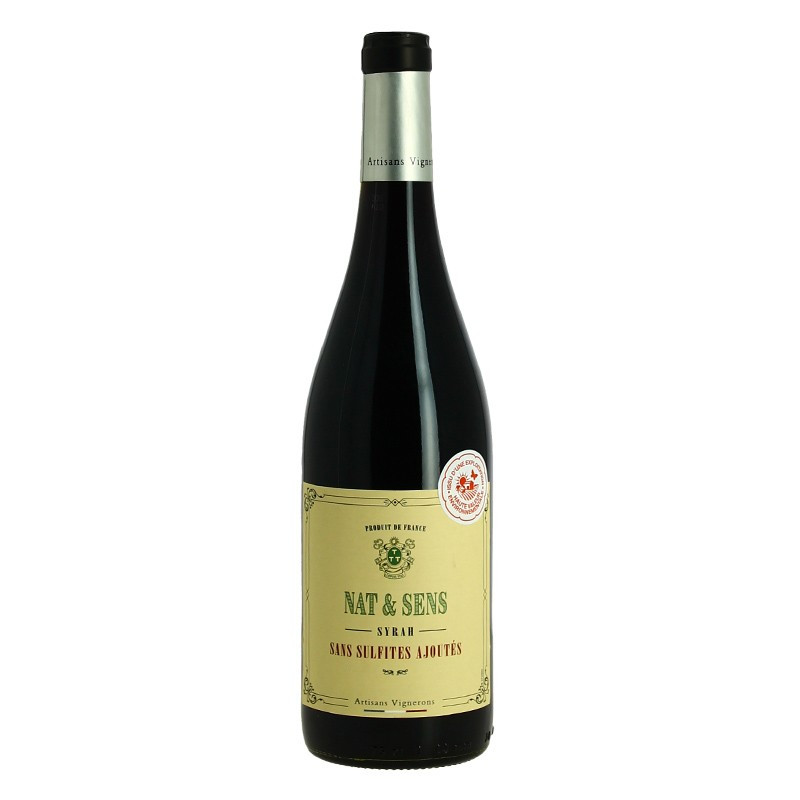
As you savor your glass of red wine, did you ever stop to think about the ingredients that go into making it? Specifically, have you considered the presence of sulfites in your favorite bottle? Sulfites are added to wine as a preservative and antimicrobial agent, but some people may experience adverse reactions to them.
Sulfites are chemicals used to prevent spoilage and extend the shelf life of foods and drinks. In wine production, sulfites serve as an antioxygenic agent that prevents oxidation and helps preserve the wine’s flavor and aroma. The most common sulfite used in winemaking is disodium hydrogen phosphate (E338), which has been linked to a range of health issues.
The Risks Associated with Sulfites
In recent years, research has highlighted the potential risks associated with consuming sulfites. Some people may experience allergic reactions or headaches due to sulfite sensitivity. The European Union’s food safety agency has also expressed concerns about the presence of sulfites in foods and drinks.
One of the most common symptoms experienced by those sensitive to sulfites is a headache, which can be severe and debilitating. Other symptoms include respiratory problems, such as asthma-like attacks, and gastrointestinal issues, like diarrhea and stomach cramps.
The SO2say Project: A Breakthrough Solution
In response to growing demand for sulfite-free products, a research project called SO2say was launched in Germany. The project aimed to develop an alternative natural preservative that could replace sulfites in wine production. Led by the non-profit TTZ Bremerhaven Research Center, the team worked tirelessly to identify a suitable substitute.
The SO2say project was funded by the European Commission and received a significant investment of €4.1 million between 2009 and 2013. The research team collaborated with numerous centers of excellence and private companies to develop and refine their natural preservative.
The Science Behind Natural Sulfite Alternatives
After extensive research and testing, the SO2say team discovered two natural compounds that could be used as an alternative to sulfites: potassium sorbate and calcium disodium EDTA. When combined, these two substances can effectively reduce sulfur dioxide levels in wine by up to 95%.
Potassium sorbate is a naturally occurring compound found in fruits and vegetables. It has been widely used as a food preservative for decades, and its effectiveness in reducing microbial growth has been well-documented.
Calcium disodium EDTA, on the other hand, is a chelating agent that can bind to metal ions, preventing them from catalyzing oxidative reactions that can damage wine. This compound has been widely used in various industries, including food and pharmaceuticals.
From Concept to Reality: The SO2say Project’s Journey
The SO2say project was launched in June 2009, and since then, the team has made significant progress. In January 2013, a batch of sulfite-free wine was released for public tasting in Germany, Spain, and the UK.
The initial results were promising, with many consumers reporting that they could not detect any difference between the sulfite-free wine and traditional wines. However, more extensive testing is needed to confirm these findings and ensure that the natural preservatives used are safe for consumption.
A Major Breakthrough for Consumers
The SO2say project marks a significant shift towards reducing sulfites in wine production. With this innovative solution, consumers can enjoy their favorite wines without worrying about potential health risks.
The European Union’s regulatory body has also taken notice of the development, paving the way for wider adoption across Europe. As demand for sulfite-free products grows, it’s likely that more winemakers will adopt this approach to meet consumer demands.
How Did the Project Get Its Start?
The SO2say project was born out of a desire to find alternative solutions to sulfites in wine production. The research team collaborated with various stakeholders, including winemakers, food scientists, and regulatory bodies, to develop a comprehensive understanding of the issues surrounding sulfites.
Through extensive testing and evaluation, the team identified two natural compounds that could replace sulfites in wine production. These findings were presented at international conferences and published in scientific journals, generating widespread interest and attention from the media and consumer groups.
Conclusion: A New Era for Sulfite-Free Wine
The SO2say project represents a major milestone in the quest for sulfite-free wines. As consumers become increasingly aware of the potential risks associated with sulfites, demand for this type of wine is likely to grow.
With the development of innovative natural preservatives like potassium sorbate and calcium disodium EDTA, winemakers can now create safer, more sustainable products that meet the evolving needs of modern consumers.
Frequently Asked Questions
- What is sulfite-free wine?
Sulfite-free wine is a type of wine that has not been treated with sulfites during production. - Are all wines naturally sulfite-free?
No, many commercial wines contain added sulfites to preserve their flavor and aroma. - Can I get allergic reactions from sulfite-free wine?
While sulfites are a concern for some people, the natural preservatives developed by SO2say have been shown to be safe for consumption. - How does the SO2say project work?
The SO2say project involves testing and evaluating two natural compounds that can replace sulfites in wine production. - Will all wines become sulfite-free?
As demand for sulfite-free products grows, it’s likely that more winemakers will adopt this approach to meet consumer demands. - Is sulfite-free wine more expensive?
The cost of sulfite-free wine may vary depending on the producer and production methods used. - Can I get sulfites in food besides wine?
Sulfites are commonly found in foods like dried fruits, vegetables, and processed meats. - How can I avoid sulfites in my diet?
To minimize your exposure to sulfites, choose fresh, whole foods over processed products and opt for sulfite-free alternatives when possible.
Conclusion: The Future of Sulfite-Free Wine
The rise of solfit-free wine is a revolutionary alternative that promises to change the way we think about wine production. With its natural preservatives and reduced risks associated with sulfites, this type of wine offers a safer and more sustainable option for consumers.
As demand for sulfite-free products continues to grow, it’s likely that we’ll see a shift towards more innovative solutions in the future. Whether you’re a seasoned winemaker or just starting out, this trend is sure to have an impact on the way you approach your craft.
Whether you’re looking to produce wine without sulfites, or simply want to enjoy a glass of wine with peace of mind, the SO2say project offers a promising solution. With its commitment to developing alternative natural preservatives and promoting consumer education, this project is poised to revolutionize the world of wine production forever.


