
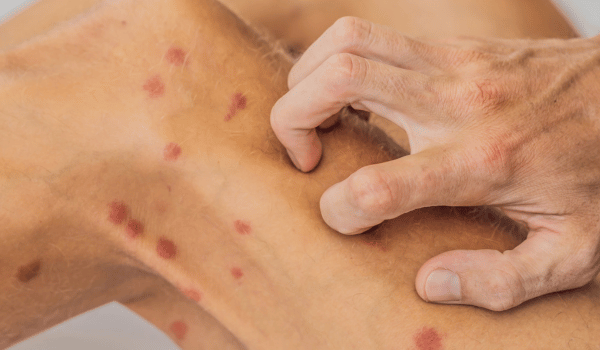
Red spots on the skin can be a source of concern for many individuals, ranging from minor irritations to more serious conditions. In this comprehensive article, we will delve into the most common causes of red spots on the skin, explore their symptoms, and discuss treatment options.
The Importance of Proper Skin Care
Proper skin care is essential in preventing and managing red spots on the skin. This includes maintaining a consistent skincare routine, using gentle products that suit your skin type, and avoiding harsh chemicals or exfoliants that can irritate the skin.
Psoriasis: A Chronic Autoimmune Condition
One of the most common causes of red spots on the skin is psoriasis, a chronic autoimmune condition characterized by inflammation and scaling. Psoriasis can appear anywhere on the body, including hair, scalp, lower back, nails, and even genital areas.
Symptoms of psoriasis may include:
- Red, scaly patches or plaques
- Itching, burning, or stinging sensations
- Dryness and flakiness of the skin
Treatment options for psoriasis may include:
- Topical treatments such as corticosteroids, vitamin D analogues, or retinoid creams
- Light therapy, including ultraviolet (UV) light exposure or narrowband UVB phototherapy
- Systemic medications, such as methotrexate, cyclosporine, or biologics
Keratosis: A Condition of Retained Keratin
Another possible cause of red spots on the skin is keratosis, a condition where keratin accumulates in hair follicles, leading to inflammation and irritation. This condition tends to improve with age, but it can be managed using topical moisturizers and exfoliants.
Symptoms of keratosis may include:
- Red, itchy patches or nodules
- Flakiness or scaling of the skin
Treatment options for keratosis may include:
- Topical treatments such as salicylic acid, lactic acid, or glycolic acid creams or gels
- Oral retinoids to prevent further keratin buildup
- Laser therapy to remove excess keratin
Red Angiomas: Red Spots Caused by Dilated Blood Vessels
Red angiomas are small, harmless red spots that appear on the skin due to dilated blood vessels. These lesions typically develop gradually between the ages of 30 and 50 and can be managed with electrocauterization, laser treatment, or removal through other methods.
Symptoms of red angiomas may include:
- Red, flat patches on the skin
- No itching, burning, or stinging sensations
Treatment options for red angiomas may include:
- Electrocauterization to remove excess blood vessels
- Laser therapy to reduce the appearance of broken capillaries
- Microvascular surgery to remove the affected area
Folliculitis: Inflammation of Hair Follicles
Folliculitis is a common condition characterized by inflammation and irritation of hair follicles. This can be caused by bacteria, yeast, or other factors on the skin.
Symptoms of folliculitis may include:
- Red, itchy patches or nodules
- Flakiness or scaling of the skin
Treatment options for folliculitis may include:
- Antibiotic creams or gels to treat bacterial infections
- Anti-fungal treatments such as clotrimazole or ketoconazole to treat yeast infections
- Warm compresses and gentle exfoliation to promote healing
Broken Capillaries: Tiny Blood Vessels That Can Cause Red Spots
Broken capillaries can cause red spots on the face due to hormonal fluctuations, sun damage, or skin conditions like rosacea. While these lesions are usually harmless, they can be unsightly and require treatment.
Symptoms of broken capillaries may include:
- Red, flat patches on the skin
- No itching, burning, or stinging sensations
Treatment options for broken capillaries may include:
- Topical creams containing retinoids, vitamin K, or glycolic acid to reduce their appearance
- Laser therapy to reduce the appearance of broken capillaries
- Electrocauterization to remove excess blood vessels
Prediabetes: A Link Between Skin Infections and Red Spots
Another possible cause of red spots on the skin is prediabetes. People with prediabetic conditions are more prone to skin infections, which can lead to various types of cutaneous eruptions and growths.
Symptoms of prediabetes may include:
- High blood sugar levels
- Skin infections or lesions
Treatment options for prediabetes may include:
- Lifestyle changes such as diet, exercise, and stress management to improve blood sugar control
- Medications such as metformin or sulfonylureas to manage blood sugar levels
- Regular skin checks to monitor for signs of skin infections
Cosmetics Products: A Hidden Cause of Red Spots
Finally, some cosmetics products can cause red spots on the skin. Hair dye is a common culprit, but other hair care products can also lead to skin irritation, itching, and inflammation.
Symptoms of cosmetic product-related red spots may include:
- Red, itchy patches or nodules
- Flakiness or scaling of the skin
Treatment options for cosmetic product-related red spots may include:
- Stopping use of the product for a few weeks to see if symptoms resolve
- Using gentler alternatives to products that cause irritation
- Consulting with your dermatologist to determine the best course of treatment
Conclusion
Red spots on the skin can be caused by a variety of factors, ranging from minor irritations to more serious conditions. By understanding the causes and symptoms of red spots, you can take steps to prevent and manage them effectively.
Remember to consult your dermatologist if you’re experiencing persistent or severe symptoms, as well as any changes in size, color, or texture of the affected area. With proper treatment and self-care, you can reduce the appearance of red spots on your skin and maintain healthy, beautiful skin.
Frequently Asked Questions
- What are the most common causes of red spots on the skin?
Psoriasis, keratosis, red angiomas, folliculitis, broken capillaries, prediabetes, and cosmetics products are some of the most common causes of red spots on the skin.
- Can I treat red spots at home?
While some cases of red spots can be managed with self-care, it’s essential to consult your dermatologist if you’re experiencing persistent or severe symptoms.
- How do I determine whether a product is causing red spots on my skin?
Stop using the product for a few weeks and check if the spots disappear before consulting your dermatologist.
- Can broken capillaries be treated?
Yes, broken capillaries can be treated with topical creams or laser therapy to reduce their appearance.
- What is prediabetes, and how does it relate to red spots on the skin?
Prediabetes is a condition that increases the risk of developing diabetes. It’s also associated with an increased risk of skin infections, which can lead to various types of cutaneous eruptions and growths.
- Can keratosis be managed with topical treatments?
Yes, keratosis can be managed using topical moisturizers and exfoliants like alpha-hydroxy acids, beta-hydroxy acids, salicylic acid, lactic acid, or glycolic acid.
- How common are red angiomas?
Red angiomas are relatively rare and usually harmless.
- Can folliculitis be treated with antibiotics?
Yes, folliculitis can be treated with antibiotic prescription solutions in severe cases.
- What is the best way to prevent red spots on the skin?
Preventing red spots on the skin requires a combination of self-care, professional treatment, and avoiding potential triggers like harsh cosmetics products or bacterial infections.
- When should I consult my dermatologist if I’m experiencing red spots on my skin?
You should consult your dermatologist immediately if you’re experiencing persistent or severe symptoms, as well as any changes in size, color, or texture of the affected area.


