
Introduction
When it comes to growing vegetables that can withstand the cold, radicchio is an excellent choice. This versatile leafy green belongs to the Compositae family and shares characteristics with wild chicory, including its scapose nodus, consistent leaves, and fresh-tasting yet slightly bitter flavor.
As we explore the world of red radicchio cultivation, we’ll delve into various varieties, discuss their unique features, and provide tips on how to grow them. Whether you’re a seasoned gardener or a beginner, this comprehensive guide will help you navigate the process with confidence.
Understanding Radicchio Varieties
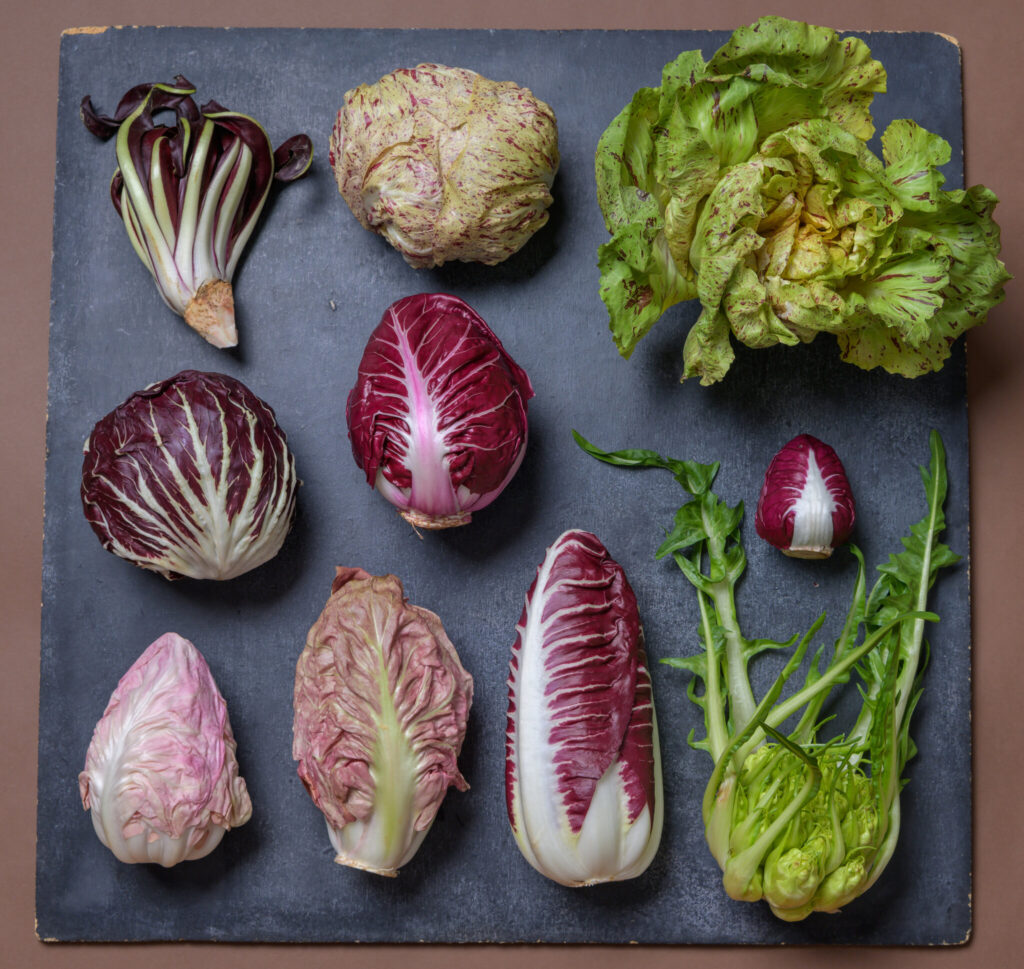
With numerous varieties available, each with its own distinct characteristics, selecting the right one for your needs is crucial. Some of the most popular and sought-after varieties include:
- Radicchio di Treviso: Known for its dark red, cylindrical leaves with a delicate flavor.
- Radicchio di Verona: Features tightly packed, white-veined leaves with a slightly bitter taste.
- Radicicio Variegato di Chioggia: Boasts striking, red-and-white striped leaves and is prized for its sweet, mild flavor.
These varieties can be grown year-round, making radicchio an ideal crop for gardeners in all seasons.
Insect Pollination: A Natural Process
Did you know that radicchio plants are often frequented by insects like pollinators? These tiny creatures play a vital role in facilitating the reproduction of radicchio and other plants through cross-pollination. This natural process is essential for maintaining genetic diversity and ensuring healthy plant growth.
Preparing Your Soil for Radicchio
Before planting, it’s essential to prepare your soil accordingly. Follow these steps:
- Choose a suitable location: Radicchio prefers well-draining soil with a slightly acidic pH (6-6.8).
- Use a mix of compost and manure: This will provide necessary nutrients for healthy growth.
- Maintain a depth of 30-40 cm: Ensure that your soil is at least 10-15 cm deep, allowing the roots to grow without restrictions.
Planting and Transplanting Radicchio
When planting radicchio seeds or seedlings:
- Sow seeds 5-8 per buchetta: Thin them out as they grow to prevent overcrowding.
- Transplant seedlings carefully: Handle the plants with care, taking into account the space requirements for mature radicchio.
Tips and Tricks for Growing Radicchio
- Regularly remove weeds and debris from your garden bed.
- Maintain consistent moisture levels by watering your radicchio plants regularly.
- Avoid stressing your plants with excessive water; this can lead to poor quality fruit.
By following these guidelines, you’ll be well on your way to growing delicious, healthy red radicchio that will delight both you and your family. Happy gardening!
Frequently Asked Questions (FAQs)
- Q: Can I grow radicchio in containers?
A: Yes, but ensure the container is at least 30-40 cm deep to accommodate the roots. - Q: How often should I water my radicchio plants?
A: Regular watering is essential; however, be cautious not to overwater, as this can lead to poor quality fruit. - Q: Can I grow radicchio in areas with high temperatures?
A: While radicchio can tolerate some heat, it prefers cooler temperatures between 15-25°C (59-77°F) for optimal growth. - Q: How long does it take for radicchio to mature?
A: Radicchio typically takes around 50-60 days to reach maturity after planting; however, the exact time frame depends on factors such as variety, climate, and care. - Q: Can I use pesticides or fertilizers on my radicchio plants?
A: While some fertilizers may be beneficial for radicchio growth, excessive pesticide use can harm both the plant and surrounding environment; always opt for natural methods whenever possible. - Q: How do I harvest radicchio without damaging its leaves?
A: To avoid damaging the delicate leaves, cut off individual bunches of radicchio at the base using scissors or a sharp knife, taking care not to disturb any remaining foliage.
By answering these frequently asked questions and following our comprehensive guide to growing red radicchio, you’ll be able to create a thriving garden filled with this delicious and nutritious vegetable. Happy gardening!


