
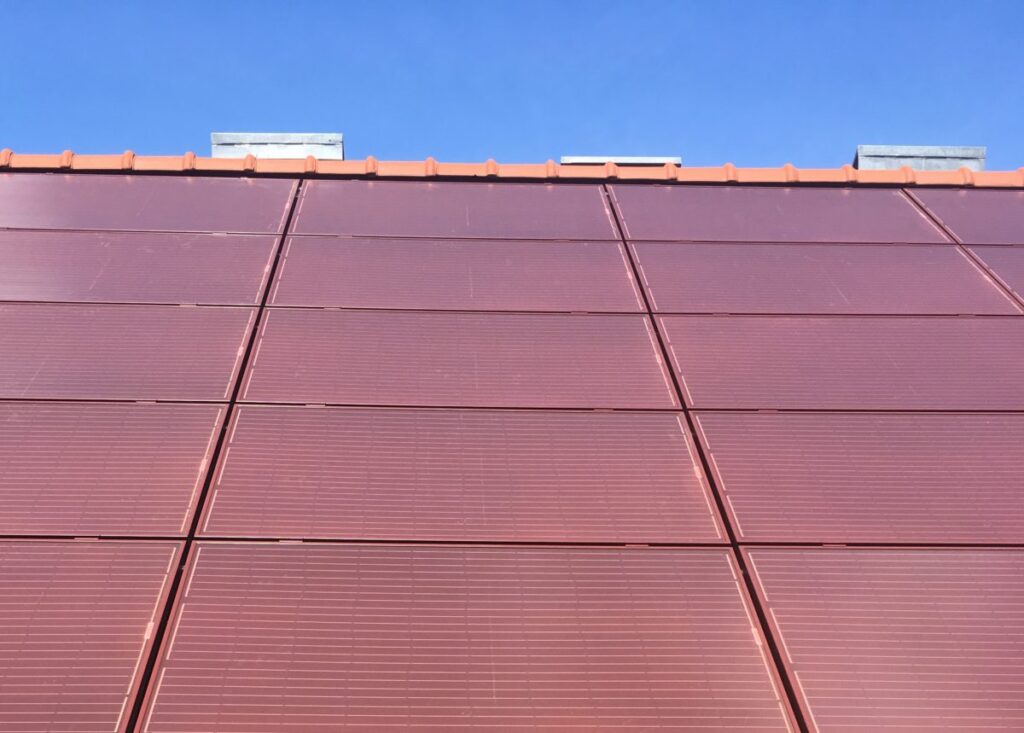
As the world shifts towards renewable energy sources, installing solar panels on historic buildings has become a pressing concern. These structures often have unique architectural features that must be preserved, and the installation of solar panels can be a daunting task. In this article, we will explore the challenges of installing solar panels in historic buildings and highlight some innovative solutions that can help overcome these obstacles.
Understanding the Challenges of Installing Solar Panels in Historic Buildings
One of the primary concerns when it comes to installing solar panels on historic buildings is aesthetics. The panels must blend seamlessly into the existing architecture, without detracting from the building’s original charm. This is where photovoltaic solutions come in – specifically, the “pannelli fotovoltaici rossi” (red solar panels).
The Red Solar Panel Solution
These innovative panels are designed to mimic the look of traditional terra cotta tiles and coping stones, making them an ideal solution for historic buildings. By installing these panels on the roof or walls, homeowners can harness the power of the sun while preserving the building’s original character.
Tegole Fotovoltaiche: Transparent Solar Panels
Another innovative solution is the “tegole fotovoltaiche” (transparent solar tiles). These cells are designed to be embedded into existing tile installations, allowing for seamless integration with the surrounding architecture. This technology not only reduces visual impact but also provides a unique opportunity to generate electricity from the building itself.
Benefits of Photovoltaic Solutions
So, what makes photovoltaic solutions such an attractive option for historic buildings? Here are just a few benefits:
• Preservation of original character: By using photovoltaic solutions that blend into the existing architecture, homeowners can preserve their building’s unique charm.
• Increased energy efficiency: Solar panels generate electricity from the sun’s rays, reducing reliance on traditional energy sources and decreasing carbon emissions.
• Cost savings: By harnessing renewable energy, homeowners can save money on energy bills and potentially even qualify for incentives and tax credits.
Incentives and Tax Credits
One of the most significant advantages of installing photovoltaic solutions in historic buildings is access to incentives and tax credits. In Italy, for example, homeowners who install solar panels on their roofs may be eligible for a 50% discount on their energy bills (detrazione fiscale). However, these incentives vary by region, so it’s essential to check with local authorities for specific requirements.
Cost Considerations
While photovoltaic solutions offer numerous benefits, they also come with a price tag. The cost of installing solar panels on historic buildings can be substantial, with prices ranging from €20,000 to €50,000 or more per installation. However, homeowners may be able to offset these costs through incentives and tax credits.
Historical Case Studies
There are several historical case studies that demonstrate the feasibility and effectiveness of photovoltaic solutions in historic buildings. For example:
• The Palazzo della Regione di Milano: This 16th-century palace in Milan underwent a comprehensive restoration project, which included the installation of solar panels on its roof.
• The Castello Svevo di Naples: This medieval castle in Naples was equipped with photovoltaic solutions that not only generate electricity but also serve as a unique architectural feature.
Design and Installation Considerations
When it comes to designing and installing photovoltaic solutions in historic buildings, there are several factors to consider:
• Structural integrity: The installation must be carefully designed to ensure that the structure can support the weight of the solar panels.
• Material compatibility: The materials used for the solar panels must be compatible with the existing building materials.
• Aesthetic consideration: The installation must be visually appealing and blend seamlessly into the surrounding architecture.
Best Practices for Installation
To ensure a successful installation, it’s essential to follow best practices:
• Hire a qualified professional: Work with an experienced installer who has experience with photovoltaic solutions in historic buildings.
• Conduct thorough inspections: Regularly inspect the solar panels and electrical connections to ensure optimal performance.
• Maintain the system: Regular maintenance is crucial to ensuring that the solar panels continue to generate electricity efficiently.
Conclusion
Integrating solar panels into historic buildings is a complex task that requires careful consideration of aesthetics, energy efficiency, and cost savings. By exploring photovoltaic solutions like the “pannelli fotovoltaici rossi” (red solar panels) and “tegole fotovoltaiche” (transparent solar tiles), homeowners can harness the power of the sun while preserving their building’s unique character.
FAQs
- Can I install solar panels on my historic building?
Yes, but it’s essential to consult with local authorities and experts to determine the best solution for your specific building. - What are the costs associated with installing solar panels on a historic building?
Prices can range from €20,000 to €50,000 or more per installation, depending on the type of panel and size of the building. - Are there incentives available for installing solar panels on historic buildings?
Yes, in Italy, homeowners who install solar panels may be eligible for a 50% discount on their energy bills (detrazione fiscale). - How do I determine which photovoltaic solution is best for my historic building?
Consult with local experts and consider factors such as the building’s size, shape, and existing architecture when selecting a solution. - Can I use solar panels to generate electricity for my entire home?
Yes, but it may require additional infrastructure, such as inverters and electrical connections. - Are there any specific regulations or restrictions on installing solar panels in historic buildings?
Yes, local authorities may have specific requirements or restrictions on the installation of solar panels in certain areas or building types. - Can I use photovoltaic solutions to generate electricity from my roof or walls?
Yes, “tegole fotovoltaiche” (transparent solar tiles) can be embedded into existing tile installations, allowing for seamless integration with the surrounding architecture. - Are there any maintenance requirements associated with installing photovoltaic solutions on historic buildings?
Yes, regular inspections and cleaning may be necessary to ensure optimal performance of the solar panels.
By exploring these innovative photovoltaic solutions, homeowners can harness the power of the sun while preserving their building’s unique character. Whether you’re looking to reduce energy costs or simply want to add a touch of sustainability to your historic home, there’s never been a better time to explore the world of renewable energy.


