
The Art of Growing Acer Palmatum Bonsai: A Comprehensive Guide
Introduction to Acer Palmatum Bonsai
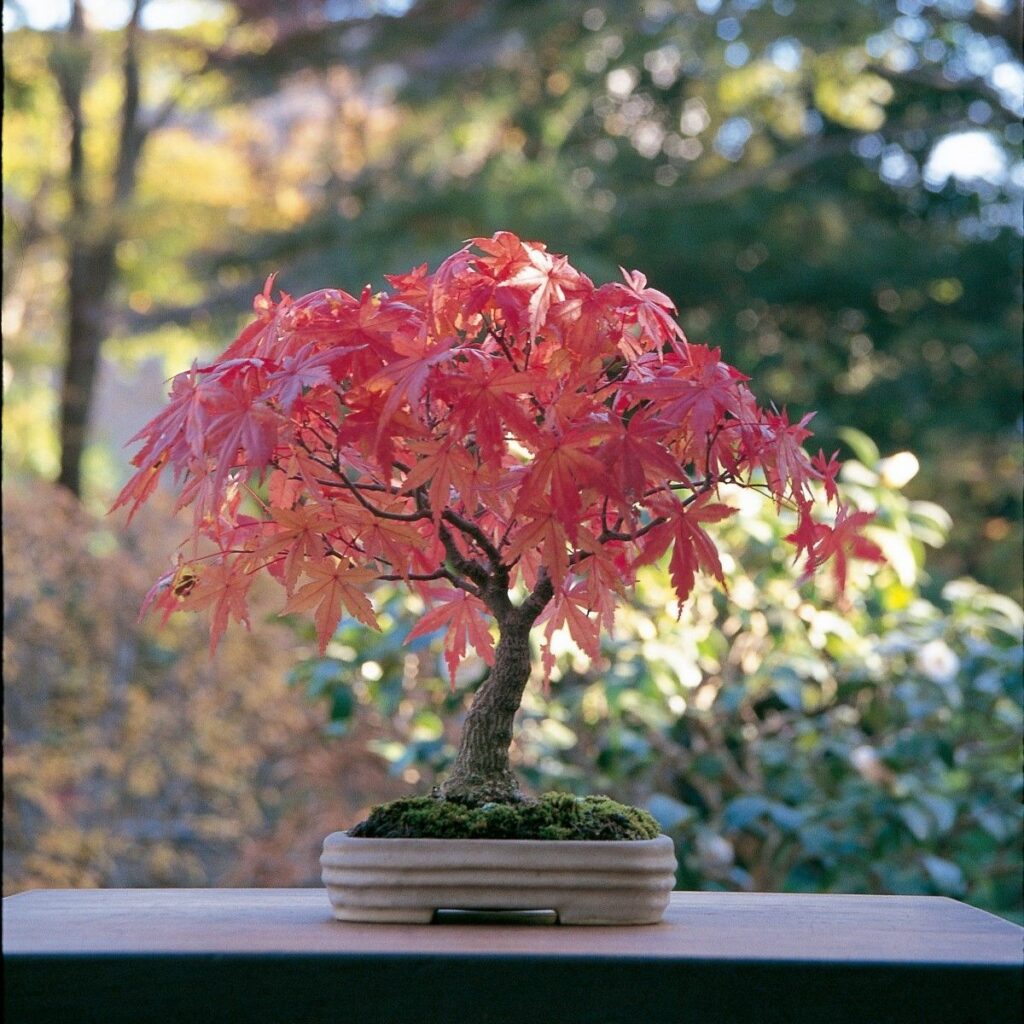
Acer palmatum bonsai, also known as Japanese Maple, is a popular and highly sought-after tree species used for creating stunning bonsai designs. With its striking red foliage, Acer palmatum bonsai can add a touch of elegance to any home or garden.
Types of Acer Palmatum Bonsai
There are several types of Acer palmatum bonsai, including the popular ‘Atropurpureum’ and ‘Deshojo’ varieties. These two types are considered among the most prized for their unique characteristics and growth patterns.
Acer Palmatum Atropurpureum
This variety is known for its deep red foliage that remains vibrant throughout the growing season. The leaves are a striking contrast to the tree’s overall shape, making it a popular choice for bonsai enthusiasts.
Acer Palmatum Deshojo
Considered one of the most prized varieties, Acer palmatum Deshojo boasts beautiful red foliage that transitions from bright red in spring to deep green by summer. Its unique growth pattern and striking appearance make it highly sought after among bonsai collectors.
Characteristics of Acer Palmatum Bonsai
Acer palmatum bonsai possess several key characteristics that contribute to their beauty and longevity:
- Red Foliage: The most distinctive feature of Acer palmatum bonsai is its vibrant red foliage, which remains intense throughout the growing season.
- Unique Growth Patterns: Each variety of Acer palmatum bonsai has a unique growth pattern, making it essential to research specific care requirements for your tree.
- Longevity: With proper care, Acer palmatum bonsai can live for decades, providing a stunning addition to any home or garden.
Caring for Your Acer Palmatum Bonsai
Proper care is crucial to maintaining the health and beauty of your Acer palmatum bonsai. Here are some key considerations:
- Lighting: Provide bright, indirect light for optimal growth and color retention.
- Watering: Water sparingly, as overwatering can lead to root rot and other issues.
- Pruning: Prune regularly to maintain shape and promote healthy growth.
Growing Acer Palmatum Bonsai Indoors
While Acer palmatum bonsai typically thrive outdoors, they can be grown indoors with proper care. Here are some tips for indoor growing:
- Lighting: Provide bright, indirect light for optimal growth and color retention.
- Watering: Water sparingly, as overwatering can lead to root rot and other issues.
- Temperature: Keep the temperature between 60-75°F (15-24°C) for optimal growth.
Rinsing Your Acer Palmatum Bonsai
To keep your Acer palmatum bonsai looking its best, regular rinsing is essential. Here are some tips:
- Water Temperature: Use lukewarm water to prevent shocking the roots.
- Frequency: Rinse weekly to prevent buildup of debris and minerals.
Pruning Your Acer Palmatum Bonsai
Proper pruning is crucial to maintaining the shape and health of your Acer palmatum bonsai. Here are some tips:
- Timing: Prune in late winter or early spring for optimal growth.
- Techniques: Use gentle, curved cuts to avoid damaging the bark.
Common Issues with Acer Palmatum Bonsai
Acer palmatum bonsai can be susceptible to several common issues, including:
- Root Rot: Caused by overwatering or poor drainage.
- Leaf Drop: Caused by stress, disease, or pests.
- Pest Infestation: Caused by insects such as spider mites or mealybugs.
Conclusion
Acer palmatum bonsai is a highly prized tree species known for its striking red foliage and unique growth patterns. With proper care and attention, your Acer palmatum bonsai can thrive indoors or outdoors, providing a stunning addition to any home or garden. By following the tips and guidelines outlined in this article, you’ll be well on your way to becoming an expert in caring for these beautiful trees.
FAQs
- What is the best type of soil for growing Acer palmatum bonsai?
- Use a well-draining, acidic potting mix specifically designed for bonsai trees.
- How often should I water my Acer palmatum bonsai?
- Water sparingly, as overwatering can lead to root rot and other issues.
- What is the best way to prune my Acer palmatum bonsai?
- Use gentle, curved cuts to avoid damaging the bark.
- Can I grow Acer palmatum bonsai in a pot indoors?
- Yes, but provide bright, indirect light and maintain optimal temperatures.
-
How often should I rinse my Acer palmatum bonsai?
- Rinse weekly to prevent buildup of debris and minerals.
-
What are the most common pests that affect Acer palmatum Bonsai?
- Spider mites, mealybugs, and aphids can be problematic.
- How often should I fertilize my Acer palmatum Bonsai?
- Fertilize lightly during the growing season (spring-fall).
-
What is the most common cause of leaf drop in Acer palmatum Bonsai?
- Stress, disease, or pests are common causes.
-
How often should I repot my Acer palmatum Bonsai?
- Repot every 2-5 years, as needed.
-
Can Acer palmatum bonsai be grown outdoors year-round?
- Yes, but provide protection from extreme temperatures and humidity.
-
What is the best way to protect my Acer palmatum Bonsai from pests?
- Use insecticidal soap or neem oil to treat infestations.
-
How often should I check for root rot in my Acer palmatum bonsai?
- Inspect regularly, especially after repotting or watering.
-
What is the most effective way to propagate an Acer palmatum bonsai?
- Take cuttings from healthy branches during the growing season.
-
Can Acer palmatum bonsai be grown as a topiary?
- Yes, but require regular pruning and training.
-
How often should I prune my Acer palmatum Bonsai to maintain its shape?
- Prune regularly to maintain shape and promote healthy growth.


